
Checklist: preparing a specifications document for your lighting projects
In a professional lighting project, light plays a decisive role: user comfort, highlighting spaces, energy performance, regulatory compliance… A clear and structured specification sheet helps avoid mistakes, control costs, and ensure a result that meets the final client's expectations. This checklist brings together the essential points to include to succeed in your lighting projects, whether for offices, shops, hotels, restaurants, or public spaces.
- 1. Define the objectives of the lighting project
- 2. Integrate technical and regulatory constraints
- 3. Identify suitable types of luminaires
- 4. Define the budget and technical options
- 5. Integrate light management and control
- 6. Document the desired aesthetics and design
- 7. Summary: key elements to provide
- Conclusion

1. Define the objectives of the lighting project
Even before discussing luminaires, a specification sheet must begin by clarifying the project's objectives. Each space has a specific use, rhythm, and level of requirement, which directly influences the type of lighting to be prescribed.
Uses and functional constraints
An office, an open space, a meeting room, a restaurant, or a shop do not have the same needs. Defining the uses helps guide the luminous power, color temperature, distribution of light points, and the desired ambiance. Circulation areas require uniform lighting, while workspaces demand precise and high-quality light, compliant with the lighting standards in force.
Priorities and specific expectations

Each project has priorities: energy performance, architectural enhancement, visual comfort, scenographic lighting… In most projects, adopting professional LED lighting allows achieving an ideal compromise between efficiency, economy, and durability. The specification sheet must reflect these strategic choices to properly guide the technical teams.
2. Integrate technical and regulatory constraints
A professional lighting project must imperatively incorporate the standards, constraints, and regulatory requirements governing the building and its use. This is an essential part of the specification sheet.
Lighting standards
The luminaire standards and European regulations, notably EN 12464-1 and EN 12464-2, define illuminance levels, visual comfort, glare control (UGR), flicker management, and color rendering (CRI). For more details, see our detailed article on professional lighting standards. A workspace, reception area, workshop, or meeting room are not designed the same way: the specification sheet must specify the minimum values to be respected to guarantee perfect compliance of the final project.
Electrical constraints and installation
Ceiling height, type of false ceiling, location of electrical feeds, planned control (ON/OFF, DALI, Casambi), integration of a dimmer or an intelligent system: all these constraints must be clarified from the initial phase. The technical compatibility of the installed luminaires depends entirely on this information.
Acoustic comfort and specialized luminaires
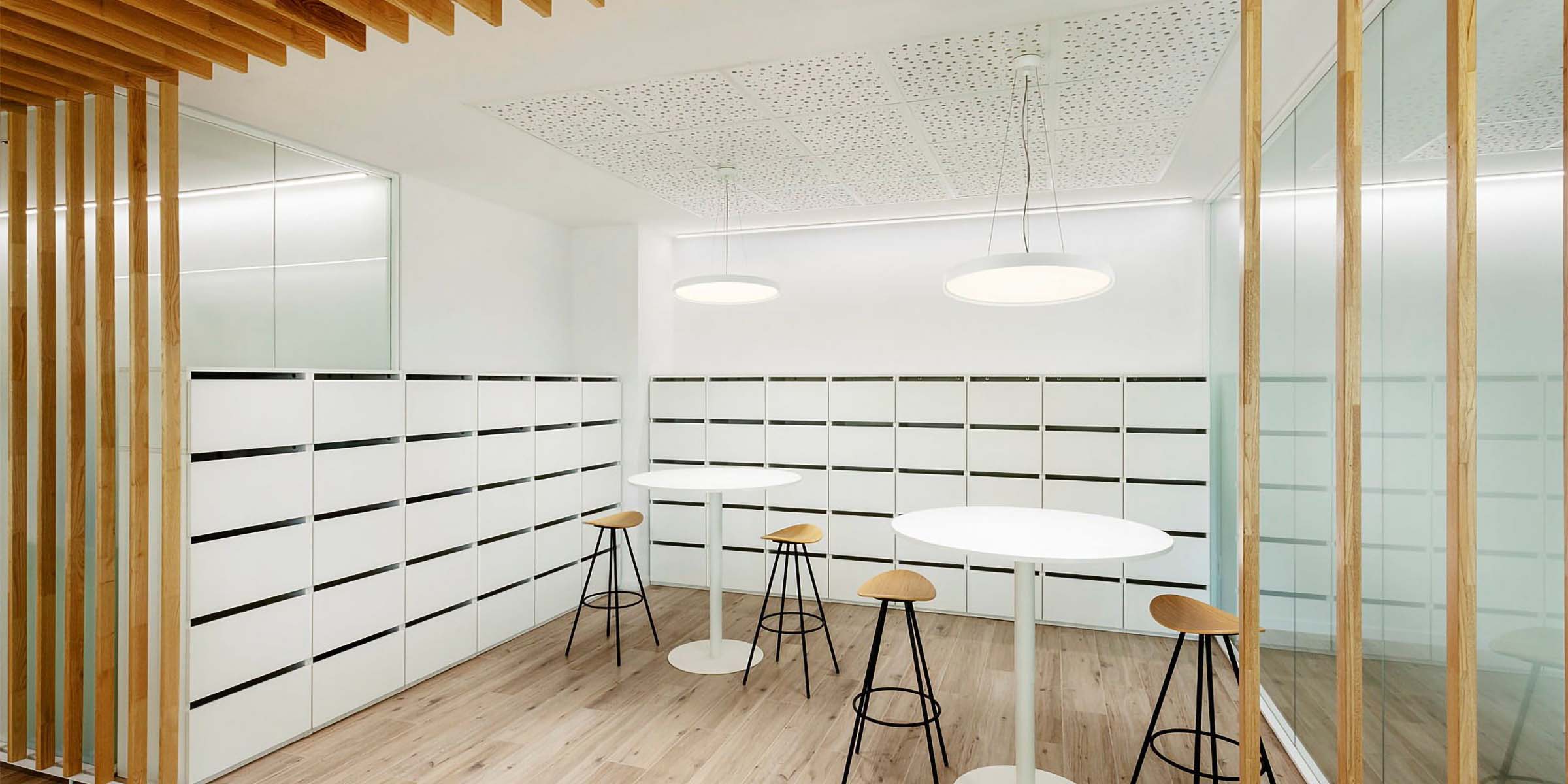
More and more projects now include acoustic luminaires. These 2-in-1 solutions optimize sound quality while providing efficient professional lighting. They are particularly suitable for open spaces, meeting rooms, restaurants, reception halls, or libraries. The specification sheet must specify if specific acoustic performances (NRC, absorption…) are expected.
3. Identify suitable types of luminaires

The choice of luminaire types strongly influences the final rendering of the project. Rather than multiplying options, it is useful to clarify from the start the uses and relevant types for each area.
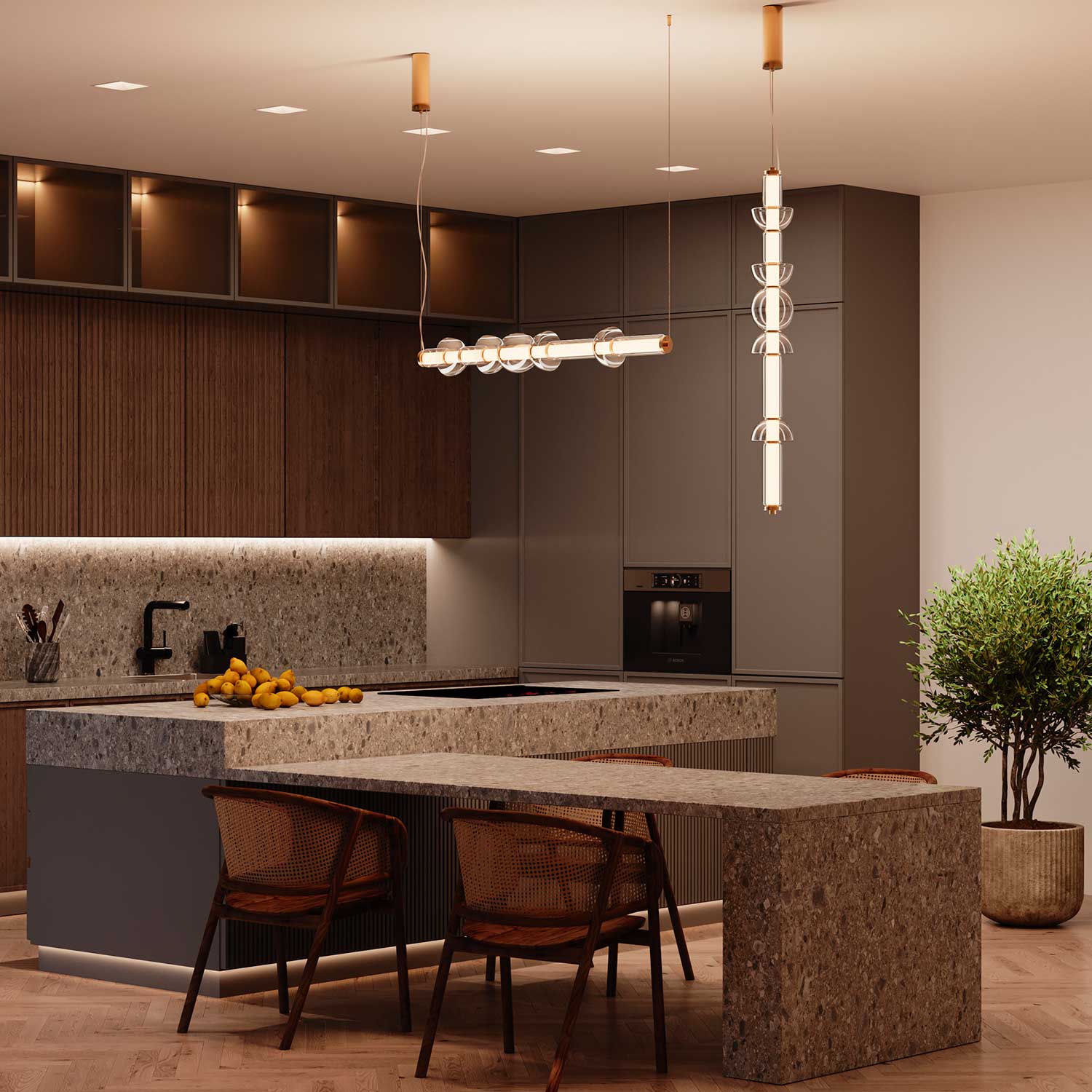
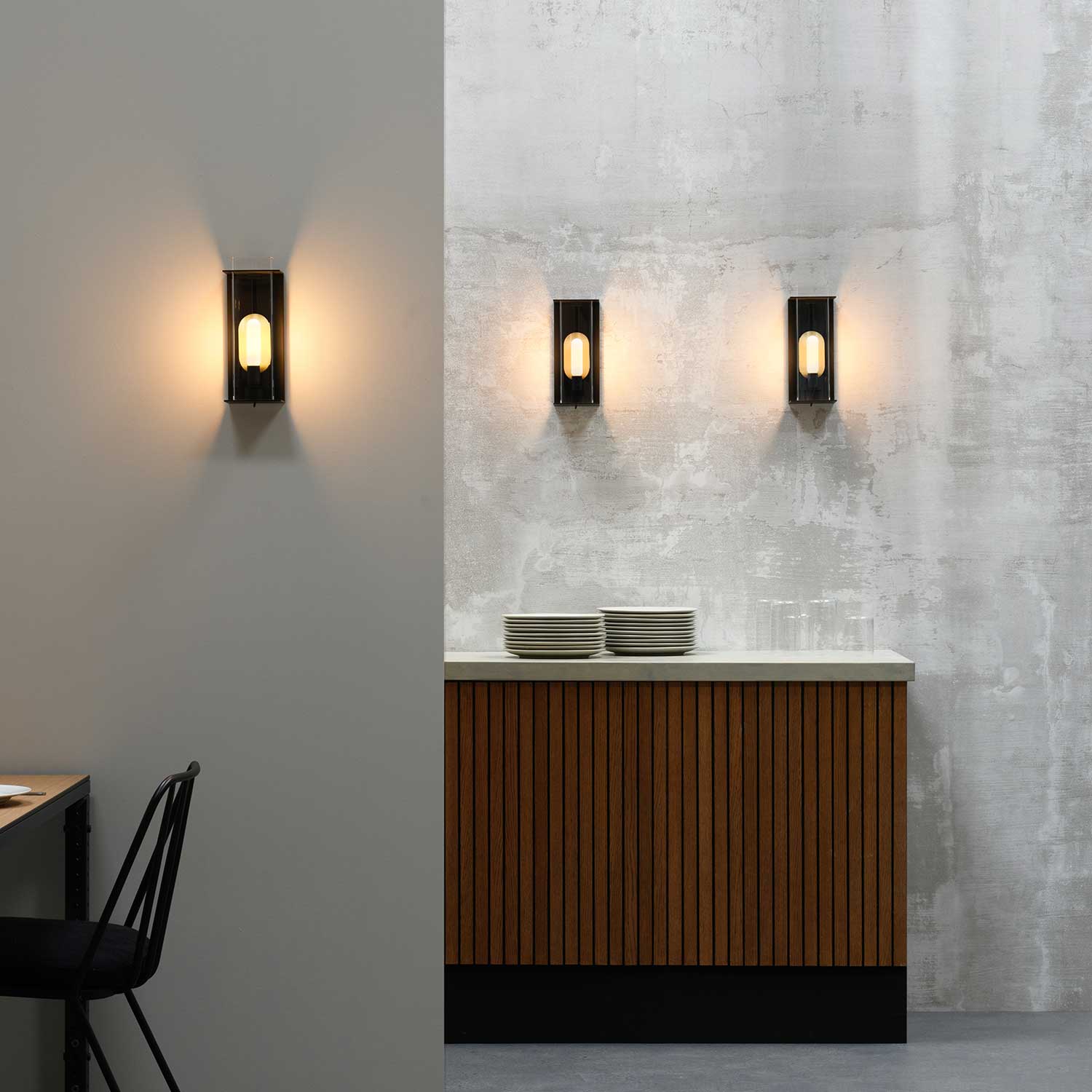
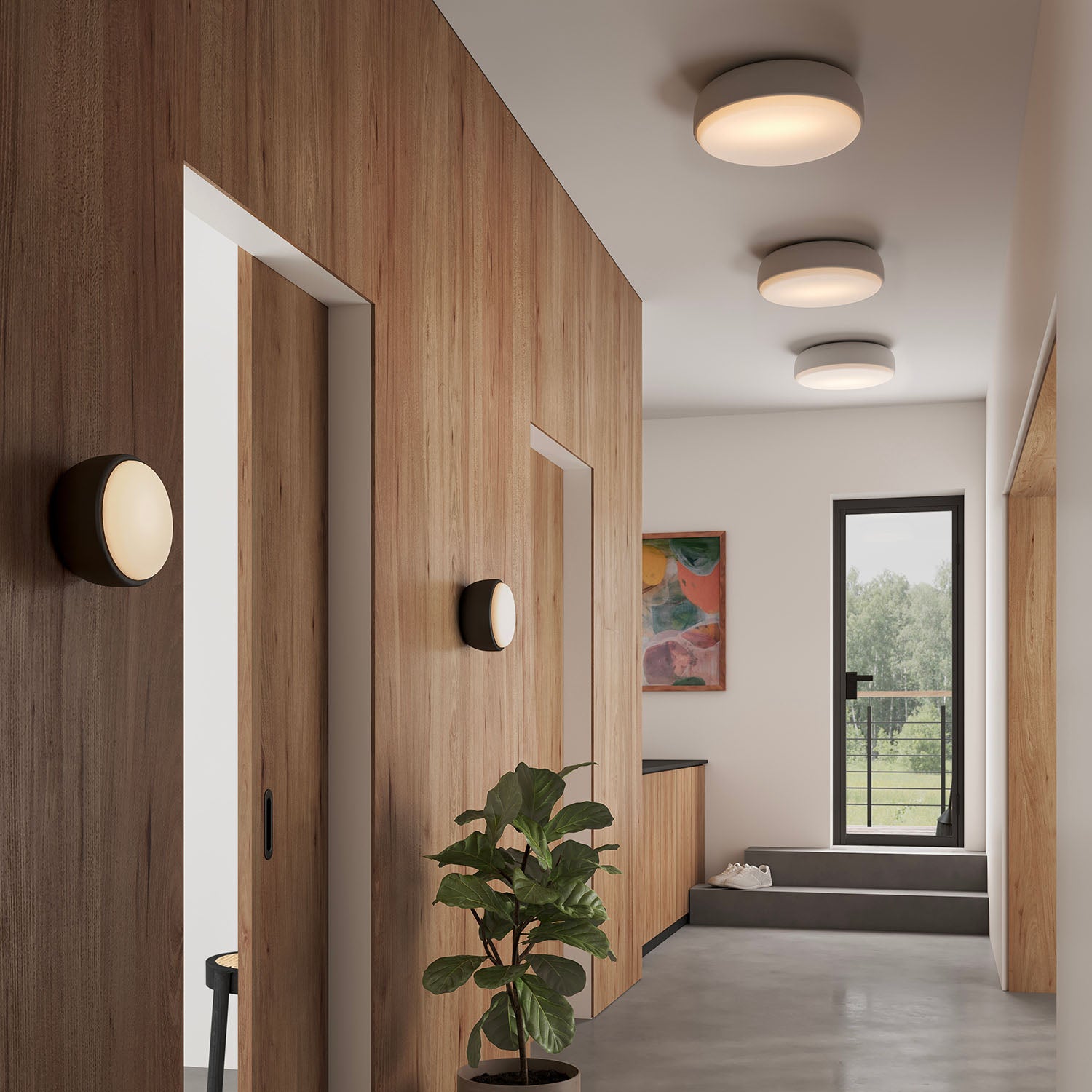
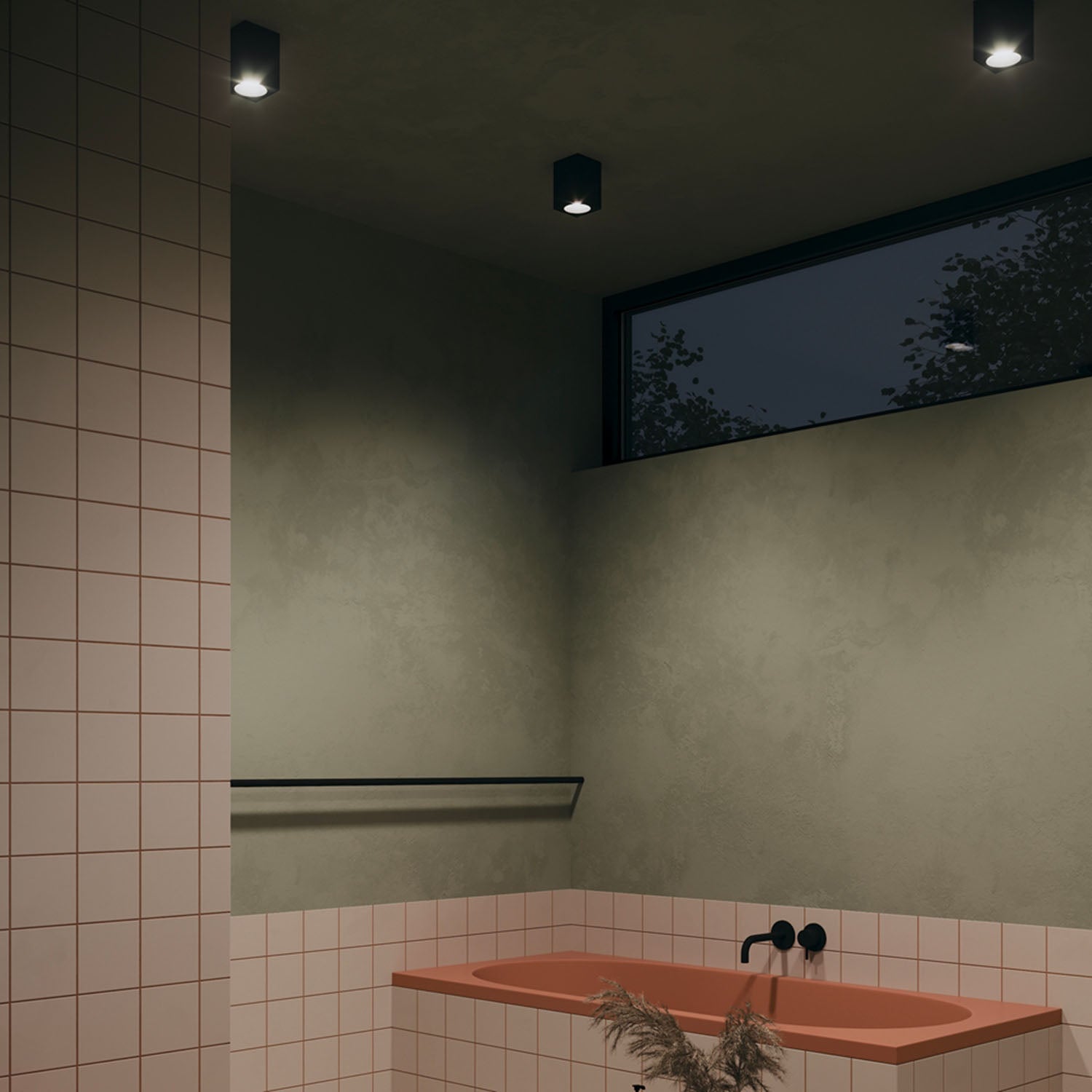
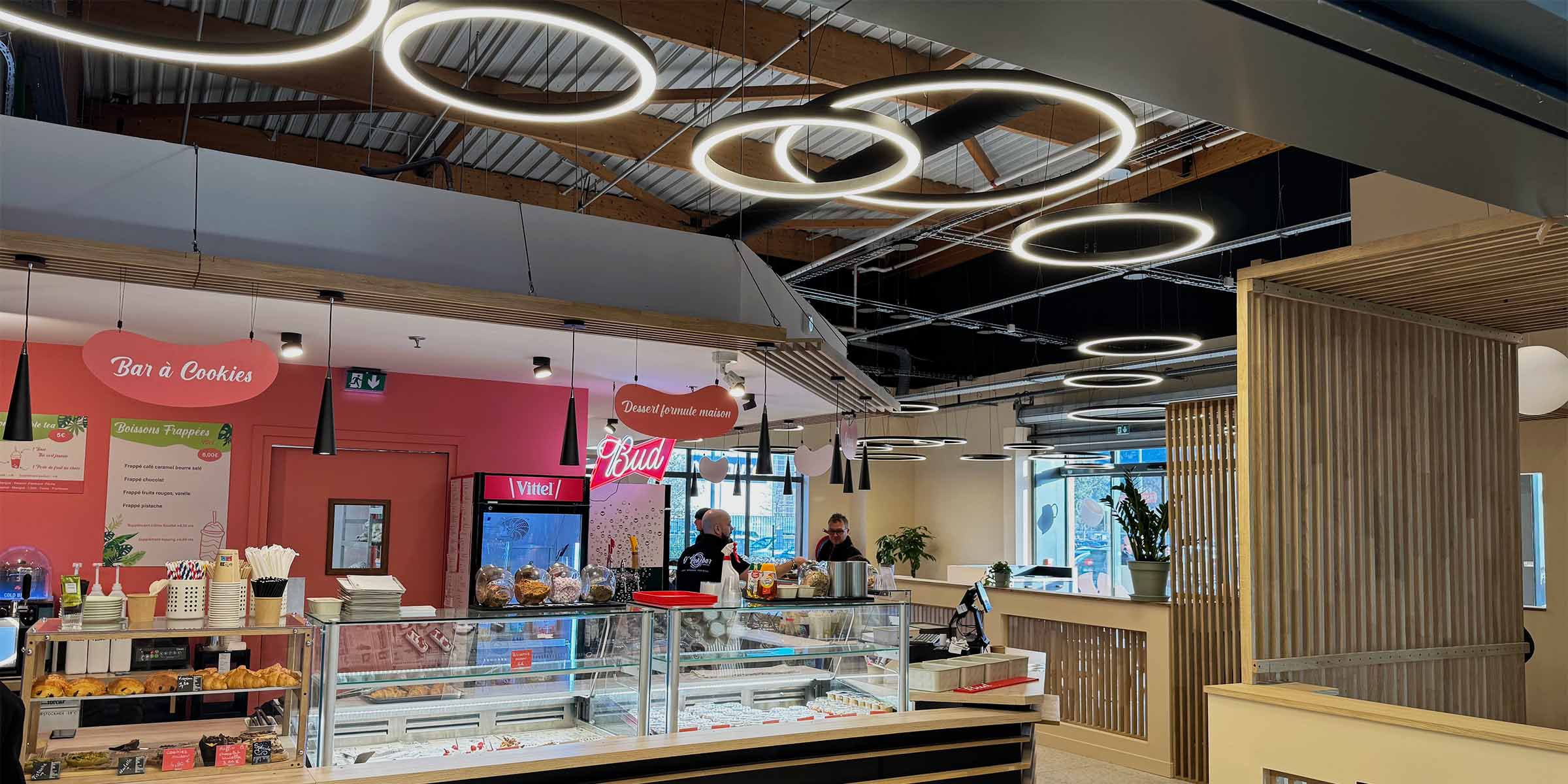
Pendants and light lines are suitable for collaborative workspaces, dining areas, or receptions. Wall sconces provide ambient lighting appreciated in hotels, restaurants, or relaxation areas. Recessed spots and LED rails remain the most used solutions in retail and museography for their flexibility and precision. Technical LED luminaires, meanwhile, ensure performance, uniformity, and longevity in places requiring intensive lighting.
4. Define the budget and technical options
Defining what budget to allocate to lighting is a key step. A specification sheet must indicate a realistic envelope, including equipment, installation, control systems, and any custom luminaires. It is also relevant to evaluate the total cost of ownership (TCO) of the project: consumption, maintenance, lifespan, possible replacement.
Trade-offs must be anticipated: choice between standard LED and premium LED, materials, optical quality, advanced control or simple dimming. A well-defined budget secures the prescription phase and avoids costly revisions during the project.
5. Integrate light management and control

Light management occupies an increasing place in professional projects. The specification sheet must specify whether control should be done via DALI, Casambi, KNX, or a hybrid system. Lighting scenarios (meeting, reception, relaxation, cleaning…) must be described to facilitate programming.
Automations such as presence detection, natural light management, automatic shut-off play an essential role in reducing consumption and improving user comfort.
6. Document the desired aesthetics and design
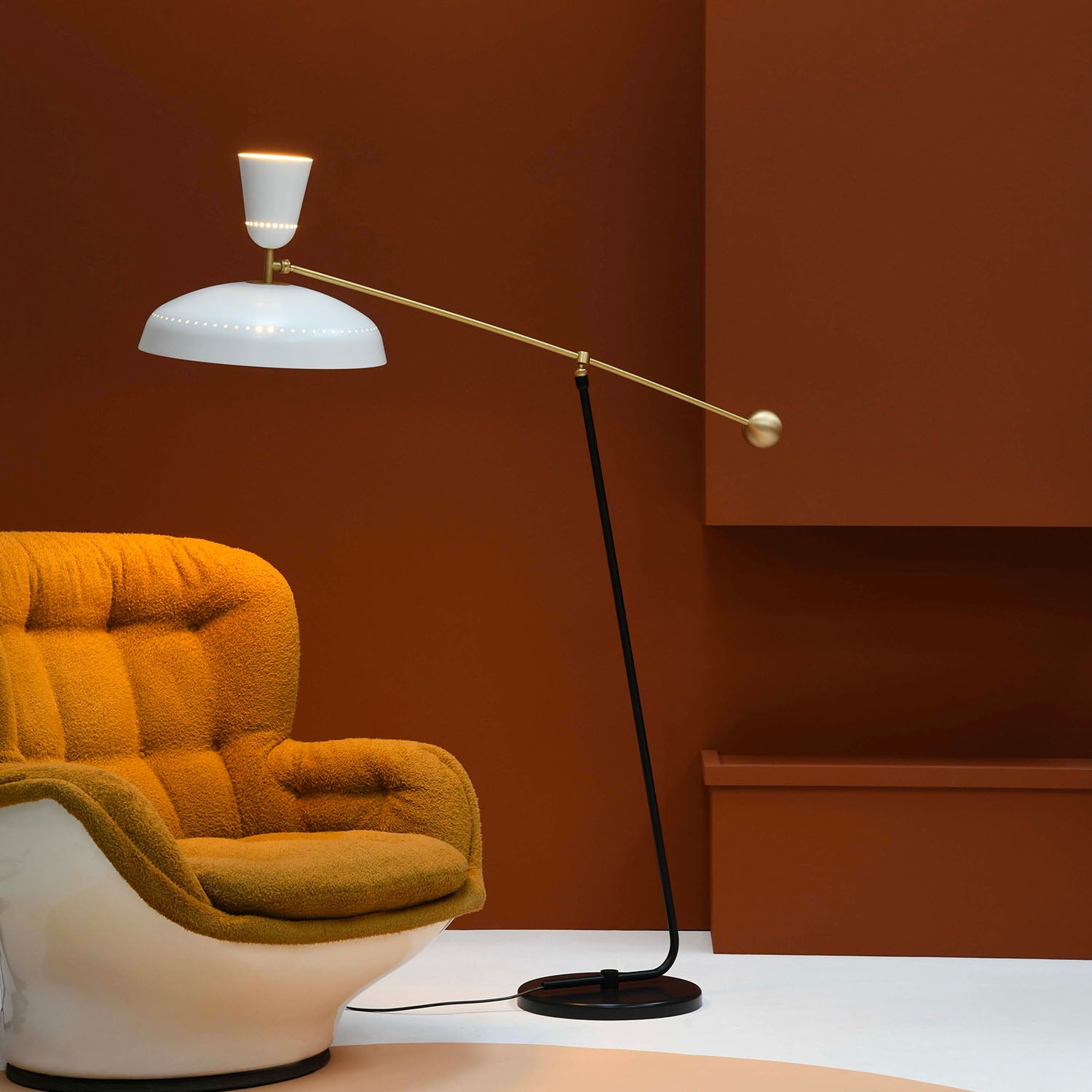
The aesthetic aspect is often underestimated, yet it is crucial for the project's coherence. The choice of materials, shapes, colors, and overall style must align with the interior architecture. In some environments (hospitality, retail, restaurants), the notion of design is just as important as technical performance.
The specification sheet must therefore include precise stylistic guidelines: minimalist design, industrial, contemporary, acoustic luminaire, indirect lighting, architectural integration… A clear guideline facilitates product selection during the prescription phase.
7. Summary: key elements to provide in your specification sheet
To finalize an effective specification sheet, it is essential to include concrete elements: annotated plans, heights, types of luminaires by area, desired power, acoustic constraints, ambiance expectations, compliance with luminaire standards, provisional budget, and examples of visual inspirations. Clear documentation ensures a smooth project flow.
Conclusion
A well-structured specification sheet secures all stages of a lighting project: design, luminaire selection, installation, and final rendering. By precisely defining uses, constraints, standards, and budget, you give your project the best chances of success and performance. For professional support or to discover solutions adapted to tertiary, industrial, or hospitality environments, visit our page dedicated to professional lighting projects.

Leave a comment
This site is protected by hCaptcha and the hCaptcha Privacy Policy and Terms of Service apply.