
How to set up a comfortable and well-lit home office for remote work
With the widespread adoption of remote work, home office setup has become an essential element to maintain focus, health, and productivity. A well-designed workspace is no longer just a simple desk placed in a corner: it must include appropriate lighting, proper ergonomics, and an atmosphere conducive to mental comfort.
Poorly planned lighting can cause eye strain, decreased attention, and physical discomfort. Conversely, a desk organized around coherent desk lighting and genuine visual comfort at work sustainably improves daily performance. Here are the keys to creating a truly effective and pleasant workspace.

Why office setup is essential
A poorly organized workspace directly affects physical and mental fatigue. Insufficient lighting strains the eyes excessively, while overly direct lighting causes glare and discomfort. These imbalances ultimately reduce concentration capacity and increase feelings of stress.
Conversely, a desk designed as a whole promotes mental clarity, consistent work rhythm, and overall well-being. Optimizing visual comfort at work then becomes a true performance lever, as important as furniture or task organization.
Choosing a bright and quiet location
The desk’s location directly influences work quality. Placing your workstation near a window allows you to benefit from natural light, which is beneficial for mood, alertness, and biological rhythm balance. To avoid screen reflections, the ideal is to position the screen perpendicular to the light source.
Quietness is just as crucial. A space away from traffic areas or noise disturbances facilitates deep concentration. When the environment is shared, adding absorbing elements like thick curtains or fabric panels helps create a calmer atmosphere.

Choosing the right desk lighting
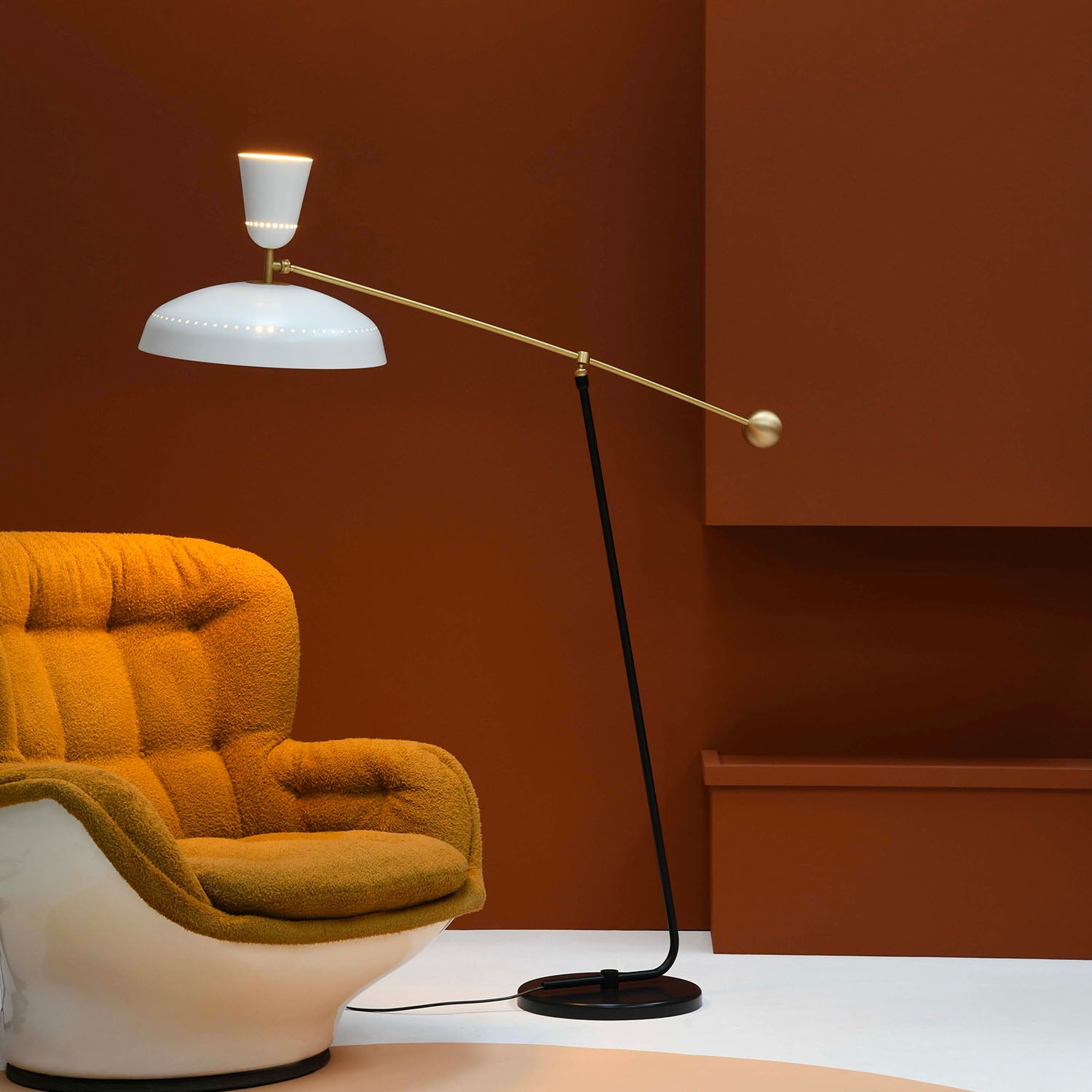
Effective desk lighting relies on layering multiple light sources. General lighting ensures even diffusion throughout the room, while an ergonomic desk lamp provides precise light on the reading or writing area.
LED technology is now the standard for its stability, low consumption, and instant start. A color temperature between 3000 K and 4000 K offers a relevant balance: neutral enough to stay dynamic while avoiding overly cold light. The lamp’s orientation also plays a key role: the light should illuminate the work surface without shining directly into the eyes or casting shadows.
For a deeper dive into this choice, check out our dedicated guide: which desk lamp to choose.
Ergonomics and posture: the foundation of comfort
Ergonomics is the cornerstone of well-being at work. An adjustable chair, a screen placed at eye level, and a suitable distance between the user and the work surface limit muscle tension. Over the long term, these adjustments prevent back pain, neck pain, and joint fatigue.
Ergonomic accessories reinforce this approach: laptop stands, external keyboards, or footrests contribute to a more natural posture. Combined with controlled lighting, they create a coherent environment where every element supports the user’s overall health.
Creating an atmosphere conducive to concentration
The visual atmosphere directly influences motivation. Light tones promote a sense of space and relaxation, while some deeper colors stimulate creativity. Incorporating green plants improves environmental perception and enhances the feeling of well-being.
Textile materials also play a discreet but essential role: rugs, curtains, or wall panels reduce sound resonance and make the space more comfortable. Indirect lighting, placed alongside the main lamp, softens light contrasts and creates a more relaxing ambiance at the end of the day.

Organization and daily efficiency
An orderly desk promotes clear thinking. Suitable storage, discreet cable management, and a clear work surface reduce visual distractions. This apparent simplicity improves concentration capacity and decreases mental load.
Efficiency also depends on habits: planning tasks, taking regular breaks, and keeping a clean space help preserve energy over time. The goal is not just aesthetic: it’s about building a functional environment that truly supports the work rhythm.
Conclusion
Successful home office setup requires a comprehensive approach combining lighting, ergonomics, and atmosphere. By paying special attention to desk lighting and visual comfort at work, it becomes possible to transform a simple workstation into a true space for lasting concentration.
To complete your setup and choose a light fixture suited to your needs, discover our dedicated selection: view desk lighting.


Leave a comment
This site is protected by hCaptcha and the hCaptcha Privacy Policy and Terms of Service apply.