
Installing a dimmer: what compatibility with LED bulbs and luminaires?
Installing a dimmer in a room allows you to regain full control of the lighting atmosphere: soft intensity in the evening, brighter light for reading, cinematic atmosphere for watching TV… The LED dimmer is no longer reserved for professional installations: it becomes a common feature in modern interiors, just like “lighting control” and smart lighting.

Why install a dimmer?
The dimmer transforms the way you experience lighting. First because it allows creating a LED light dimmer adapted to each moment: meals, relaxation, work, or movie night. Then because it improves visual comfort, especially in living rooms and bedrooms. It also contributes to energy savings by reducing consumption when the light is not used at full power, which increases the natural longevity of dimmable LEDs. Finally, it supports the rise of lighting control in modern residential projects.
Dimmer and LED: understanding compatibility
Compatibility is the essential point. Not all bulbs are designed to work with a LED bulb dimmer. Some LEDs do not dim at all, others dim poorly and cause flickering, stuttering, or buzzing, especially if a classic dimmer not designed for LED is used. Moreover, even dimmable LEDs do not all work with all dimmers, which can cause the famous “LED dimmer problems”: flickering, premature shutdown, inability to reach 0%, or light that stays faintly on.
Compatibility can be summarized as follows:
Dimmer ⇄ Bulb ⇄ Luminaire: all three must be compatible to achieve a stable result.

What types of dimmers exist?
In France, several dimming technologies are distinguished, each suited to a use or type of luminaire. Some are very simple (On/Off), others more technical (DALI, Casambi). Here are the main families to know to choose a LED-compatible dimmer.
1. Dimming by phase cut: Phase Cut
This is the most common technology in homes. It exists in two versions:
- TRIAC (leading edge): cut-off at the beginning of the phase. It is the old technology, used for halogen. Poorly suited for LEDs: risk of flickering, noise, incompatibility. To be avoided for modern installations.
- Trailing edge: cut-off at the end of the phase. It is currently the best solution for LED. Silent, stable, and compatible with low power. Most recent LED dimmers use this technology.
2. DALI dimming
DALI technology (Digital Addressable Lighting Interface) is very widespread in commercial and high-end projects. It allows very precise digital control, addressable by luminaire, complex scenarios, timers...
But beware: a luminaire must include a DALI dimmable driver to be compatible. This is not a classic wall dimmer but a complete control system.
3. On/Off dimmers
This is the simplest solution: it does not allow dimming, only turning on and off. Some LED luminaires offer a "pseudo-dimmable" variation in several steps by pressing the On/Off switch multiple times. This is not true dimming but a mode integrated into the luminaire's electronics.
4. Dimmers and connected systems (Casambi, Zigbee, Bluetooth)
Connected dimmers replace or complement the wall dimmer. With Casambi (Bluetooth Mesh), Zigbee, or WiFi, dimming is done via an app, remote control, or voice assistant.
They require that the luminaires or drivers be compatible, or that a connected dimmable module be added to the installation. These solutions are stable, silent, and offer very advanced scenarios, timers, and automations.

Which luminaire can be compatible with a dimmer?
Compatibility between a dimmer and a luminaire mainly depends on the presence of a driver or a dimmable bulb. Each category of luminaire reacts differently to dimming: some accept dimming without difficulty, others require a specific power supply. Here is an overview of the most common cases.
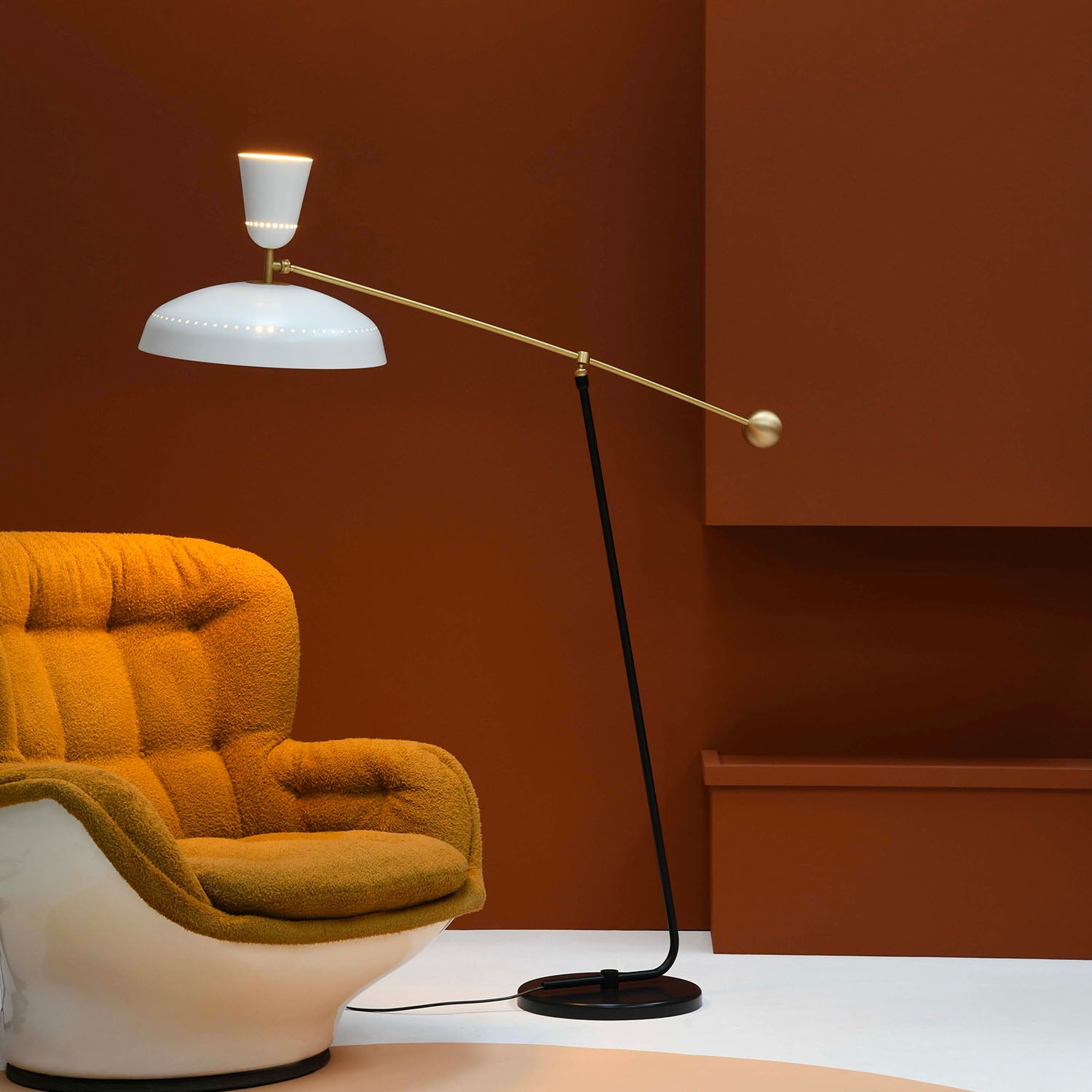
Pendant lights
A pendant light can be dimmer compatible if its internal power supply allows it. For example, a dimmable LED pendant light equipped with an E27 bulb or a dimmable module.
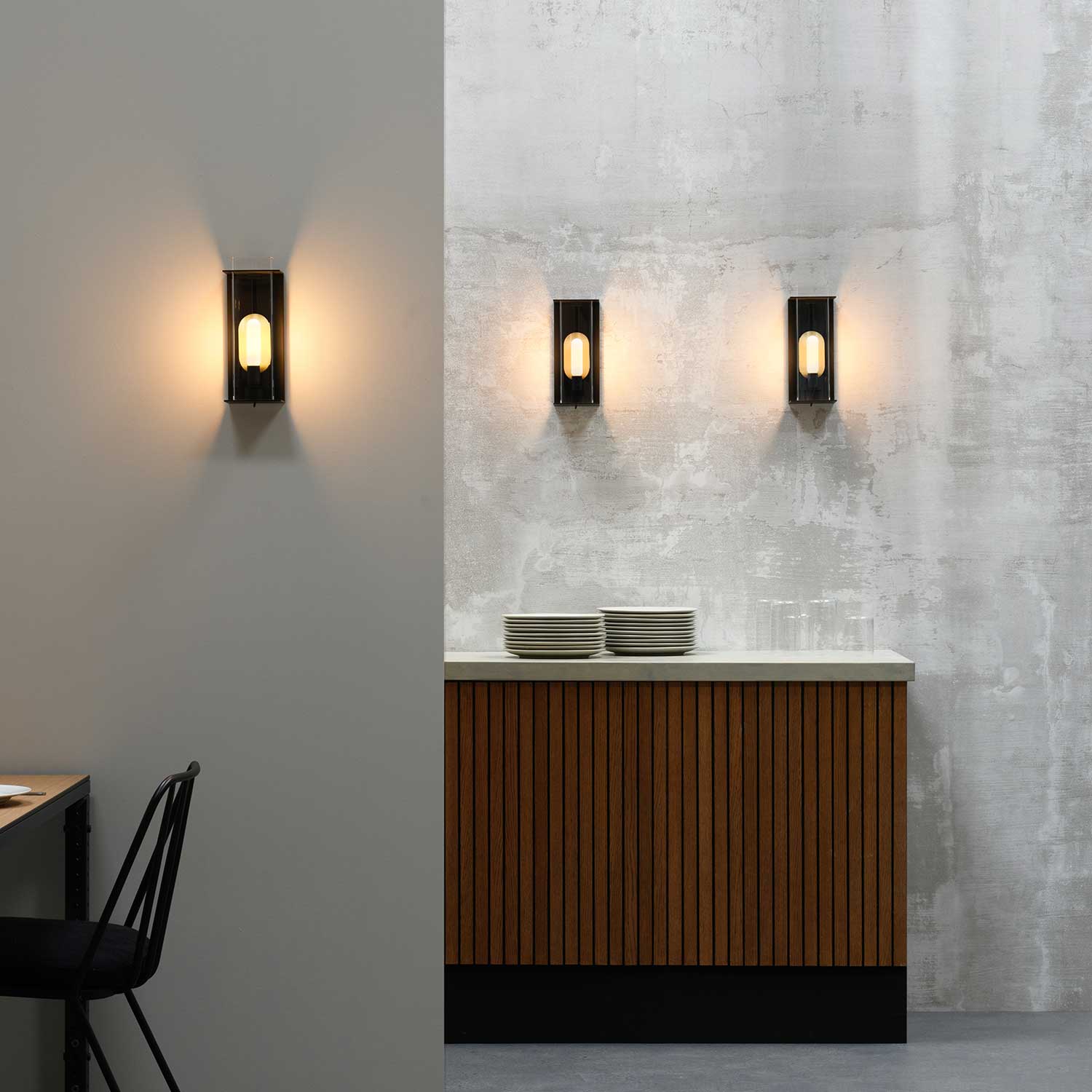
Wall lights
Wall lights are often compatible, but it all depends on the bulb used. A dimmable LED wall light will work perfectly with a suitable dimmer.
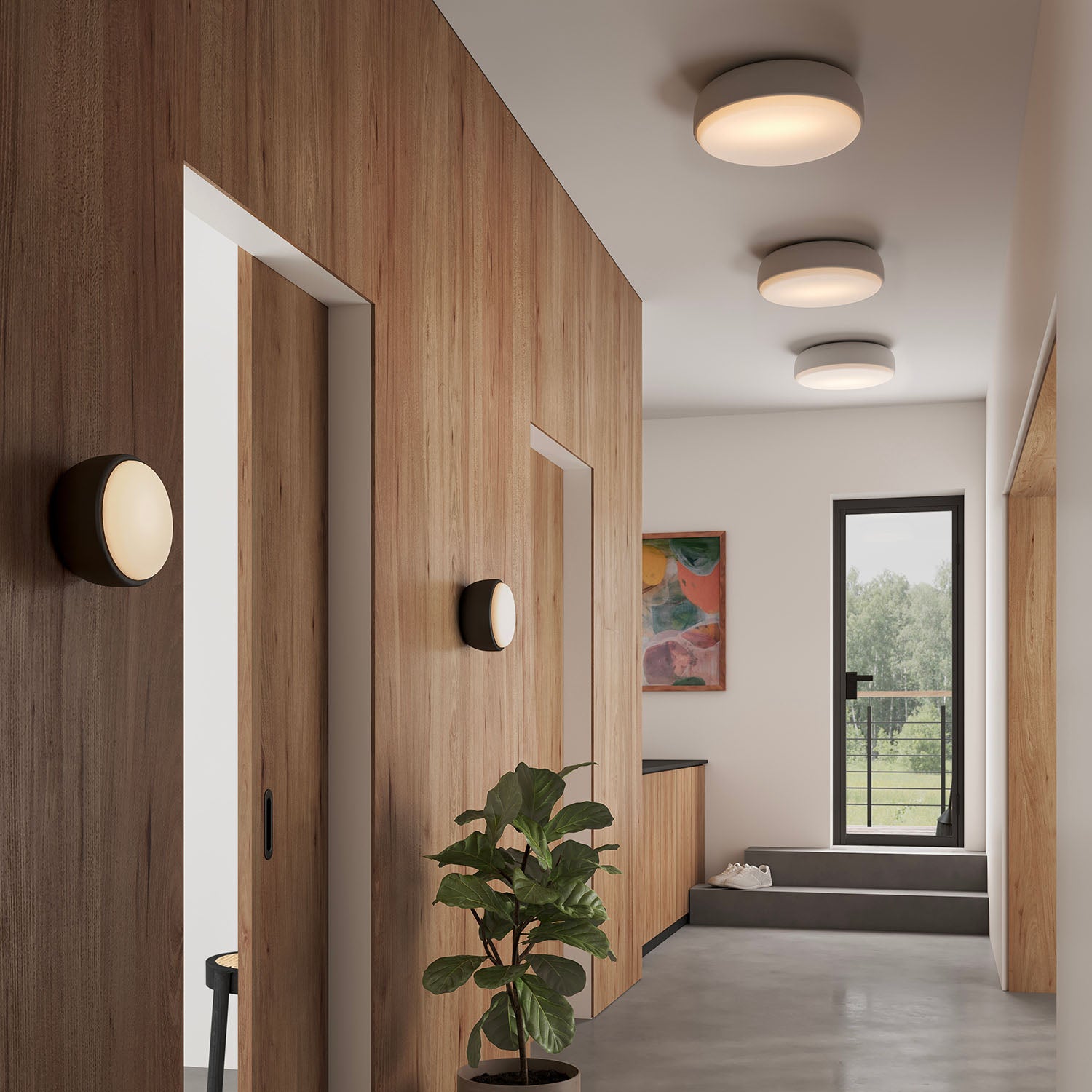
Ceiling lights
Integrated LED ceiling lights are the most sensitive: if the driver is not dimmable, dimming will be impossible. A dimmable LED ceiling light must imperatively include a compatible driver.
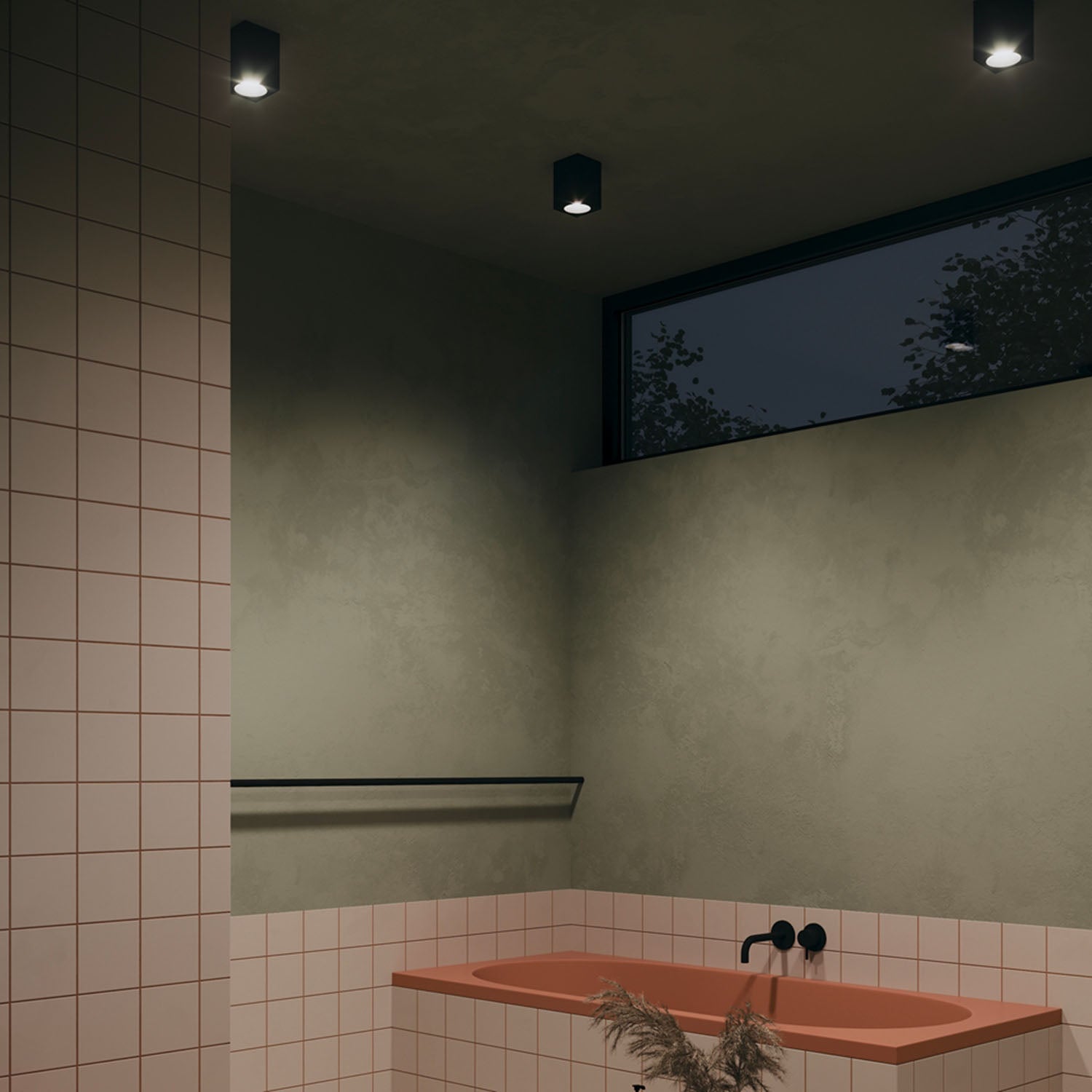
Recessed spotlights
GU10 spots and recessed LED modules are among the most technical cases. A dimmable LED spot requires a suitable driver or a properly selected dimmable GU10 bulb.
Bulbs: which ones work with a dimmer?
For a bulb to work with a LED wall dimmer, it must be explicitly labeled "dimmable" by the manufacturer.
Classic LED bulbs
The bulbs marked LED bulb compatible with dimmer are designed to work with a trailing edge dimmer. Warning: they physically resemble non-dimmable ones, which often causes errors.
LED filament bulbs
Filament bulbs are excellent for dimming. Their output is stable and pleasant at low intensity.
LEDs integrated into fixtures
It is the internal driver that determines compatibility. A dimmable LED driver must be clearly indicated. Otherwise, no dimming is possible.
Tip: to recognize a dimmable bulb, look for the mention "dimmable" or a pictogram representing intensity variation.
How to check if your installation can receive a dimmer?

Not all bulbs are compatible with dimming. To avoid flickering and malfunctions, it is essential to choose truly dimmable models. Here are those that work with a dimmer.
Here are the criteria to validate:
- The lighting circuit must be independent.
- It must not contain a non-compatible 12V transformer.
- The switch can be replaced by a dimmer.
- The total power must be adapted: a low power LED compatible dimmer is sometimes necessary.
Mistakes to absolutely avoid
Installing a dimmer may seem simple, but some common mistakes cause flickering, incompatibilities, or premature LED wear. Here are the pitfalls to avoid to ensure stable and efficient dimming.
- Thinking that all LEDs are dimmable.
- Installing a halogen dimmer on LED.
- Mixing several brands of bulbs — a source of LED bulb buzzing on dimmer.
- Using too low wattage on a classic dimmer, which causes LEDs that don't turn off completely.
- Forgetting to check driver compatibility — a common cause of LEDs that don't dim properly.
Discover our complete selection of LED lighting here: all our LED lights, and explore our models of dimmable compatible bulbs here: our LED bulbs.




Leave a comment
This site is protected by hCaptcha and the hCaptcha Privacy Policy and Terms of Service apply.