
How to Properly Light a Painting: Tips and Lighting Choices
A painting, a photograph, or wall decoration deserves appropriate lighting to fully reveal its colors, details, and texture. Yet, in many interiors, artworks are poorly showcased due to a wall lighting that is not properly planned. Light that is too strong can create glare, light that is too weak can make the object invisible, and poor positioning can distort colors.
Properly lighting a painting is not just about adding a lamp above it. You need to choose the right type of fixture, the right power, the right angle, and the right color temperature. By following a few simple rules, it is possible to completely transform the perception of a work and add depth to an entire room. Here are the essential tips for achieving effective and aesthetic painting lighting.

Why light a painting
A well-lit painting immediately draws the eye and gives character to an interior. Lighting highlights colors, reveals textures, and adds depth to a wall. In a sparsely decorated room, a simple frame properly lit can be enough to structure the space and create a true atmosphere.
In galleries and museums, each artwork benefits from precise directional lighting to avoid shadows and glare. At home, the principle is the same: the light must be directed toward the object, without dazzling, and without creating overly contrasting areas around it.
Good wall lighting also helps balance the room. When a wall remains in shadow, the space feels smaller and heavier. Adding a targeted light source helps distribute light better and makes the whole space more pleasant.
The most common mistakes
The first mistake is relying solely on the room’s general lighting. A ceiling light illuminates the whole room but is not enough to highlight wall decoration. The painting remains visible but lacks depth and relief.
Another common mistake is placing the light too close to the wall or too high. In this case, the frame’s shadow becomes visible and the surface is not evenly lit. The result lacks balance, and the eye immediately senses something is off.
It is also important to avoid bulbs that are too cold or too powerful. Light that is too white can distort colors, while light that is too strong creates unpleasant reflections, especially on glass surfaces.
Which type of fixture to choose

To achieve effective wall decoration lighting, several options exist. The choice depends on the style of the room, the size of the painting, and the desired effect. Wall lights dedicated to paintings are often the most effective, but adjustable spotlights or certain decorative fixtures can also work.
The goal is always the same: to diffuse soft, even light directed toward the artwork, without excessively lighting the rest of the wall. The fixture must be precise enough to highlight the object but discreet enough not to steal the spotlight.
Wall lights for paintings
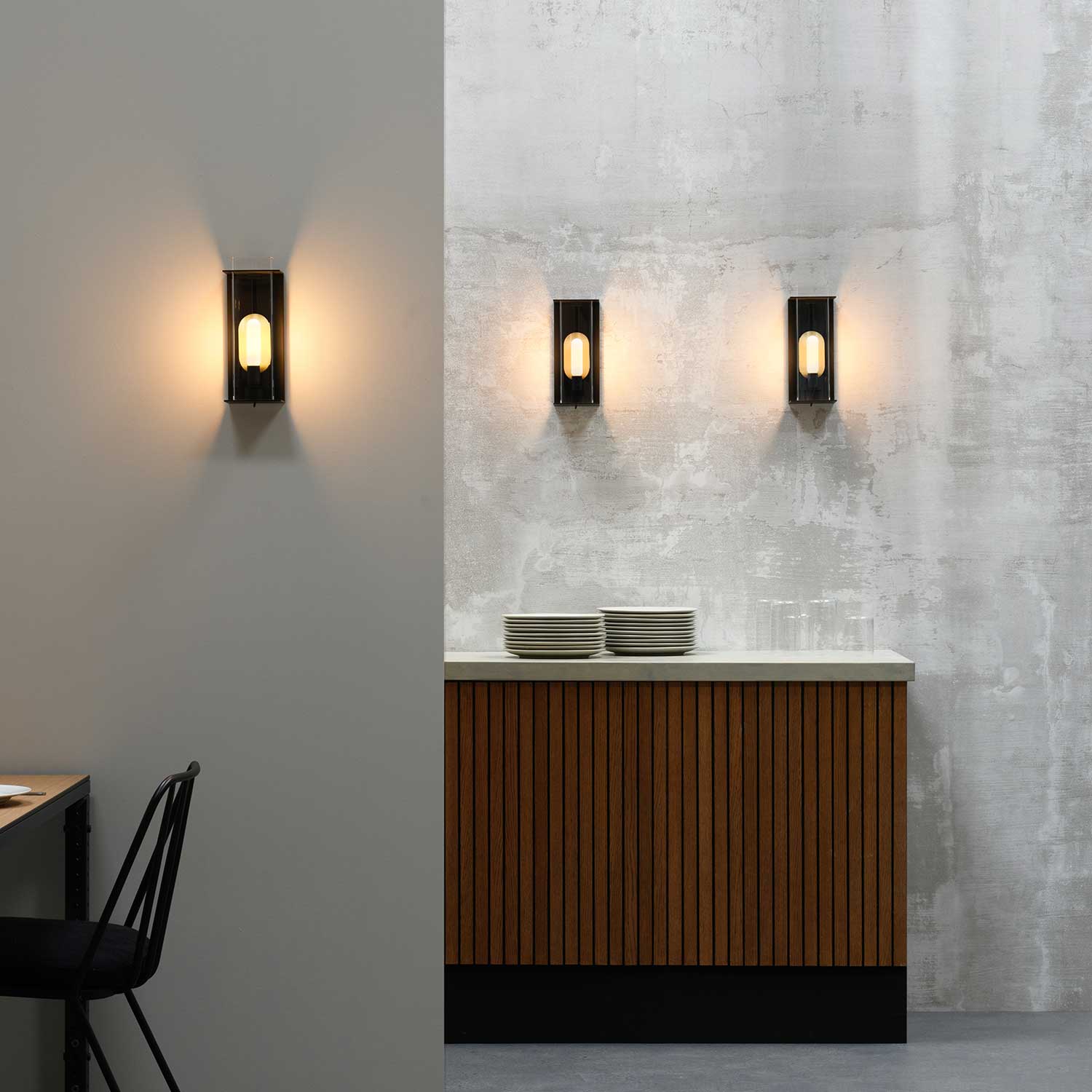
Wall lights specially designed for paintings are the most commonly used solution. They are mounted above the frame and cast light downward at an angle designed to avoid glare. This type of fixture achieves a result very close to what you find in galleries.
A wall light like the wall light for painting lighting is typically designed for this use. Its elongated shape allows it to illuminate the entire width of the painting evenly while remaining discreet.
In a more contemporary style, a wall light like the design wall light for wall decoration can also be used to highlight a wall artwork while contributing to the room’s decor.
Adjustable spotlights
Adjustable spotlights are an interesting alternative when several frames need to be lit or when the painting is placed in a hard-to-reach spot. They allow precise adjustment of the light’s angle and direction.
A wall spotlight or a small projector can also be used to create a more contrasted effect, similar to exhibition lighting. This solution is particularly suitable for modern interiors or wall compositions with multiple frames.
Some decorative fixtures can also serve this role, such as the adjustable wall light for paintings, which provides targeted light while remaining aesthetic.
Color temperature and rendering

Color temperature strongly influences the rendering of a painting. Light that is too cold can make colors look dull, while light that is too warm can alter hues. For balanced indoor lighting, it is recommended to choose a temperature between 2700K and 3000K.
Color rendering is also important. A bulb with a good color rendering index preserves the original nuances of the artwork and avoids color casts. This is often overlooked but essential for a natural result.
Power and lighting angle
To avoid glare, the lighting should be placed at an angle of about 30 degrees relative to the painting. This angle allows light to be diffused evenly without creating harsh shadows.
The power should be sufficient to highlight the artwork without dazzling. There is no need to use a very strong bulb: moderate but well-directed lighting often gives better results than overly intense light.
In some cases, a decorative wall light like the decorative wall light or the wall light for painting lighting can offer a good balance between aesthetics and effectiveness, especially in a contemporary interior.
Selection of suitable fixtures
To achieve effective painting lighting, it is recommended to favor fixtures capable of directing light precisely. Elongated wall lights are ideal for wide frames, while spotlights are better suited for wall compositions or smaller formats.
In a modern interior, a graphic fixture can also help highlight the wall while providing targeted lighting. The key is to maintain soft, even, and well-directed light to respect the colors and textures of the artwork.
Conclusion
Properly lighting a painting requires more precision than classic lighting. You need to choose the right fixture, the right power, and the right angle to avoid glare and reveal details. Well-planned wall lighting not only highlights a work but also adds depth to the entire room.
Whether using a dedicated wall light, an adjustable spotlight, or a decorative fixture, the goal remains the same: to create soft, targeted, and balanced light. By applying these simple principles, it becomes easy to transform an ordinary wall into a true decorative element.


Leave a comment
This site is protected by hCaptcha and the hCaptcha Privacy Policy and Terms of Service apply.