
Why your interior looks dark and how to fix your indoor lighting
An interior can be perfectly furnished and well decorated, yet still feel sad, cold, or unwelcoming. In most cases, this feeling doesn’t come solely from a lack of natural light, but from a combination of factors related to layout, colors, materials, and especially indoor lighting. A dark room isn’t necessarily a poorly exposed room: it’s often simply poorly designed from a lighting perspective.
The good news is that there are many solutions to fix this problem without major renovations. By understanding the most common mistakes and adopting a few simple principles, it becomes possible to make a space much brighter, more comfortable, and more lively. Here’s how to analyze what darkens your interior and, above all, how to effectively fix it.

Why a room can seem dark
The feeling of lack of light doesn’t depend only on the presence or absence of a window. It can come from poor orientation, an opening that’s too small, a low ceiling, dark walls, or furniture that blocks the flow of light. A north-facing room will naturally have cooler, less generous light than a south-facing one. But even in a well-exposed space, some decorative choices can greatly reduce the perceived brightness.
Volume also plays an important role. In a cluttered living room with bulky furniture and little free space, light circulates less well. Contrasts become more pronounced, some areas remain in shadow, and the whole feels heavier. Conversely, a clear and well-structured room immediately feels brighter, even without changing the original exposure.
Finally, the human eye doesn’t just perceive the amount of light, but also its distribution. A room can be objectively lit yet still seem dark if the light sources are poorly placed, too concentrated, or poorly balanced. This is where visual comfort comes into play.
The most common lighting mistakes

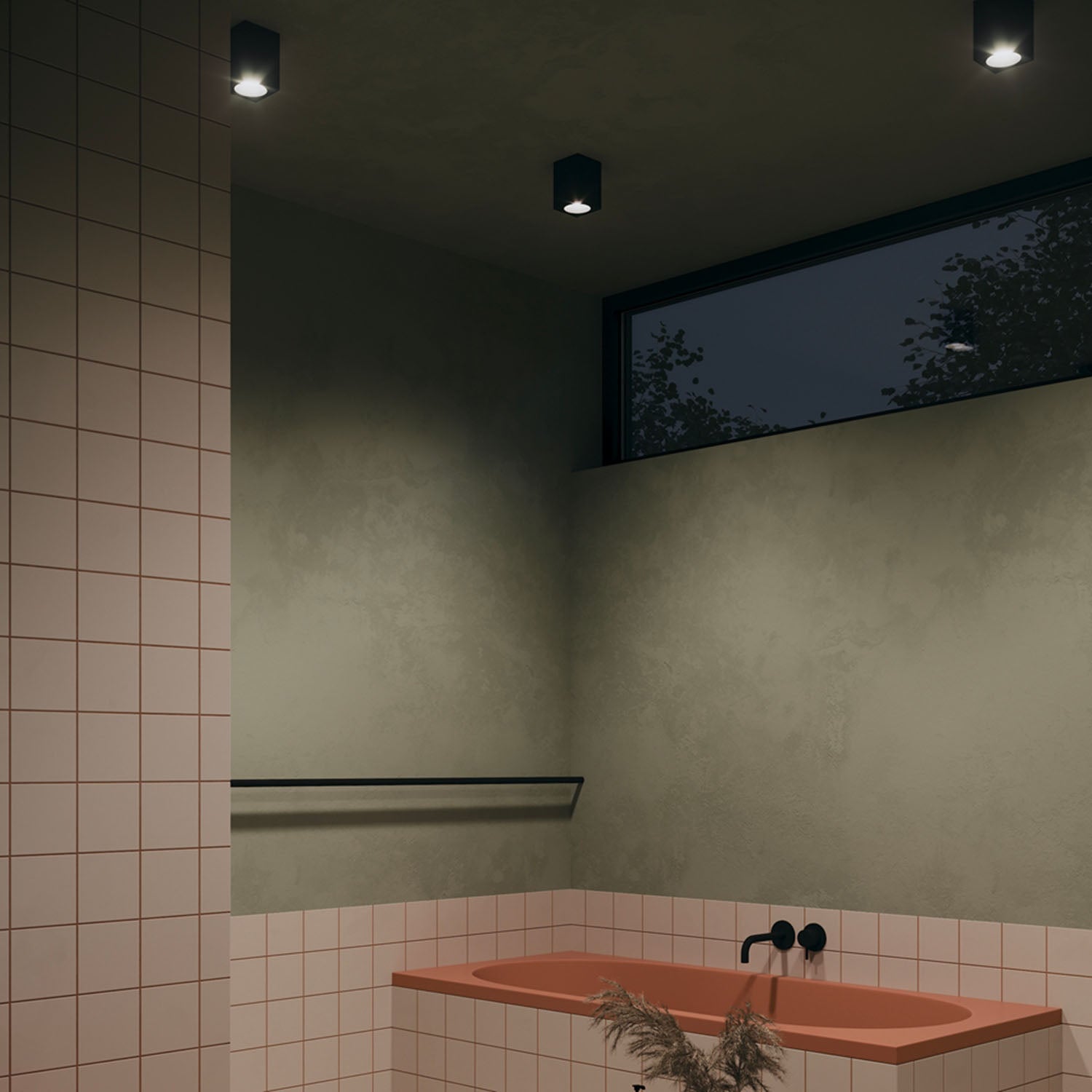
The most widespread mistake is to rely on a single central light point. A single ceiling light may be enough to technically “light” a room, but it often creates flat light, without depth, with strong shadows on the sides. The result lacks relief and gives an impression of under-lighting, especially in the evening.
Another common mistake is choosing a fixture solely for its aesthetics without checking its actual light diffusion. Some decorative models are very beautiful but not very effective at providing practical light. Conversely, a fixture that is too powerful or poorly directed can create harsh lighting that’s unpleasant to live with.
Poor lamp placement is also a cause. A source placed too high or too far from the area to be lit loses effectiveness. This is especially noticeable in living rooms, hallways, or reading corners, where light sometimes falls where it’s not needed, while useful areas remain in shadow.
The issue of light intensity
In many interiors, the lack of light simply comes from poorly chosen intensity. For a long time, people thought in watts, but this reference is no longer sufficient with the widespread use of LED. Today, it’s the number of lumens you need to look at to assess the actual amount of light emitted.
A low-power bulb in a large room will inevitably produce a dull result. Conversely, light that’s too intense in a small space can be tiring and create a harsh atmosphere. The right balance therefore depends on the size of the room, its function, the color of the walls, and the presence or absence of other light sources.
To understand this point precisely and avoid sizing errors, you can check out our dedicated guide on the difference between lumens and watts to choose the right intensity. It’s an essential foundation for improving home lighting without trial and error.
The role of color temperature

Color temperature strongly influences how we perceive a room. Light that’s too cool can make an interior feel harsher, more technical, and sometimes almost gray. Light that’s too warm, on the other hand, can yellow surfaces and give a feeling of a stifling space if not well balanced.
In most living spaces, a temperature around 2700K to 3000K creates a good balance between warmth and clarity. This type of light gives a more welcoming atmosphere while remaining comfortable for everyday use. In a kitchen or workspace, you can go slightly higher, but in a living room, bedroom, or entryway, light that’s too white often accentuates the feeling of coldness and can paradoxically make the room seem sadder.
Choosing the right color temperature therefore not only improves the ambiance but also better reveals materials, volumes, and colors.
Why multiply light sources
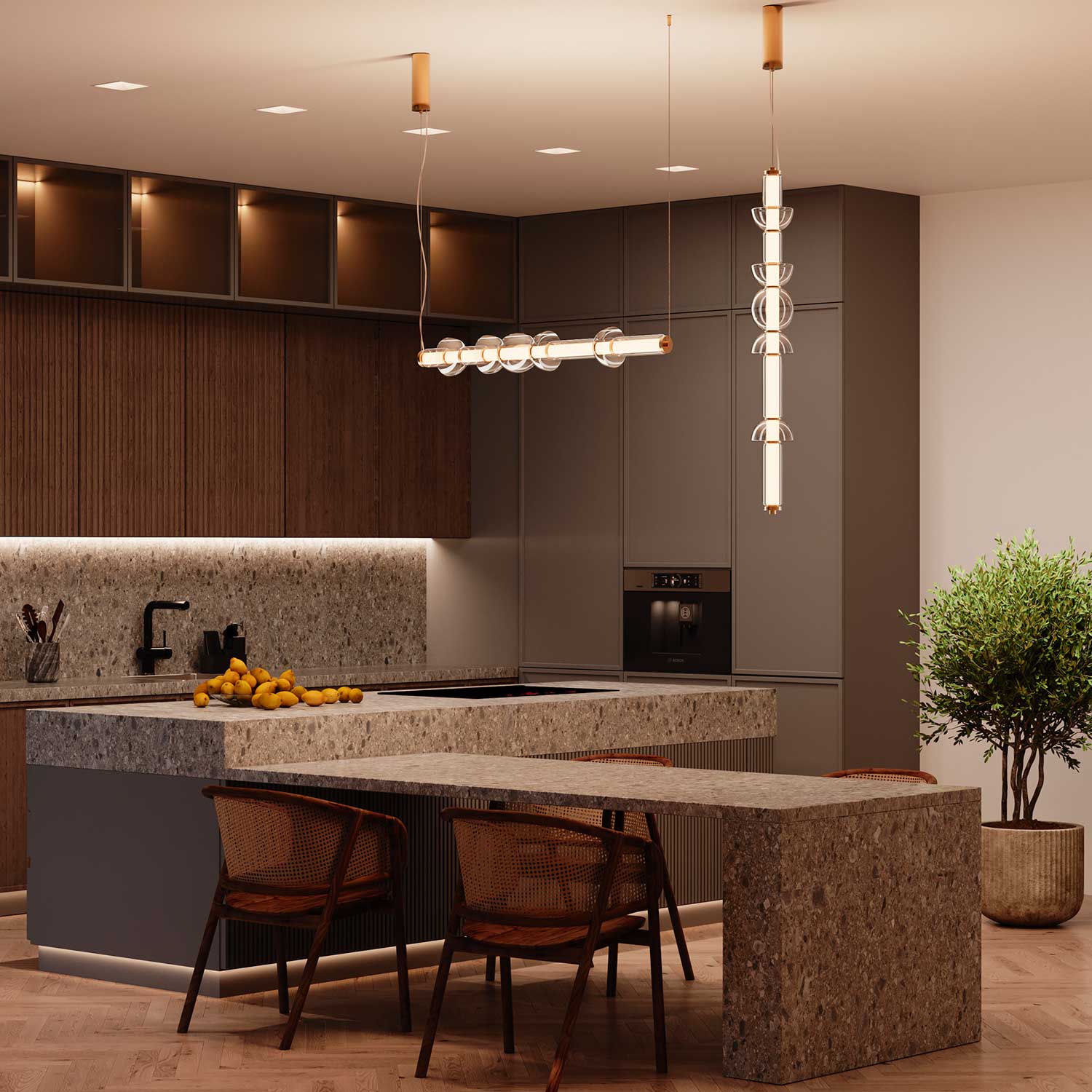
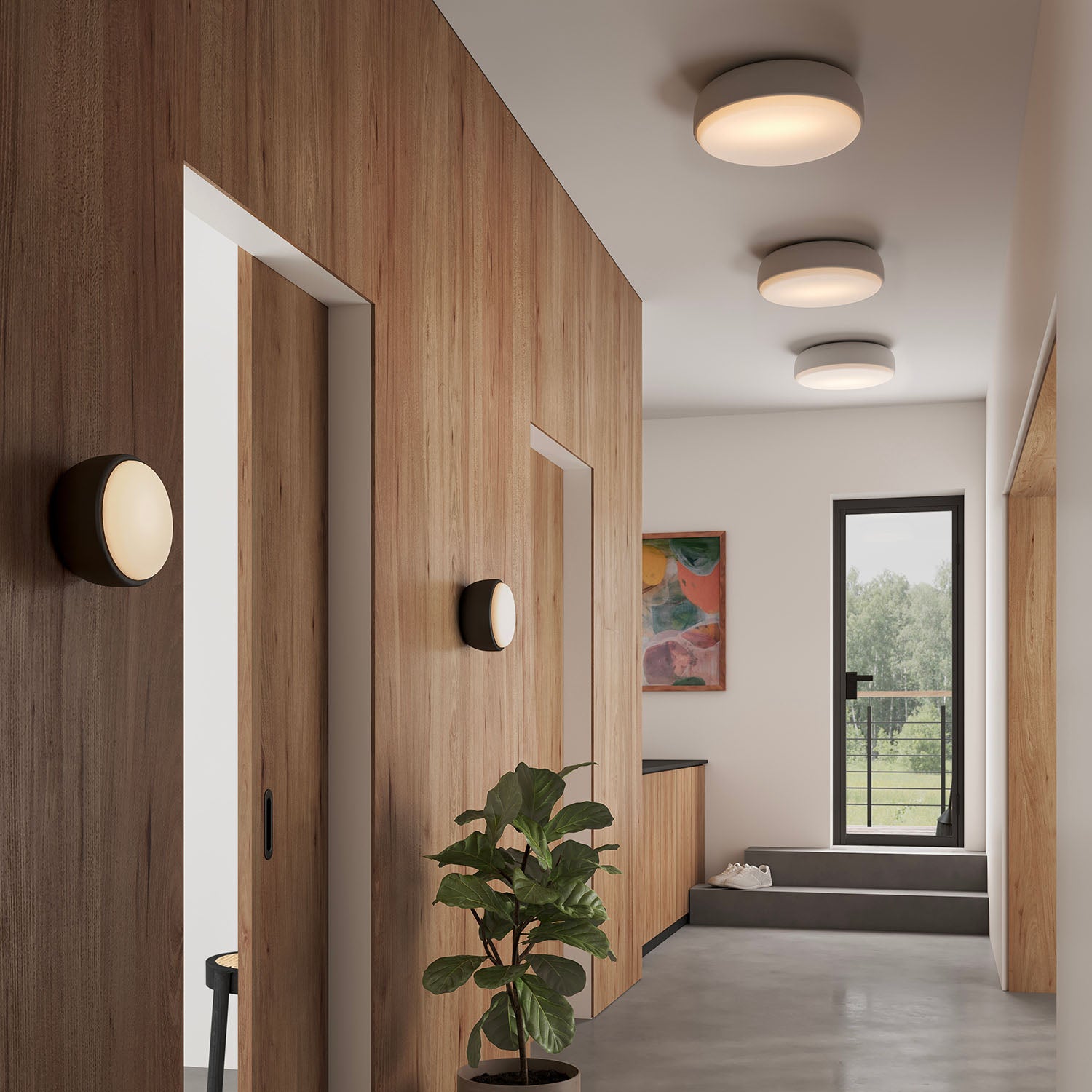
A bright interior isn’t necessarily an overlit interior. It’s mainly an interior where light is distributed intelligently. For this, it’s essential to multiply light points rather than rely on a single central source. This layering creates depth, lights useful areas, and adapts the ambiance according to the time of day.
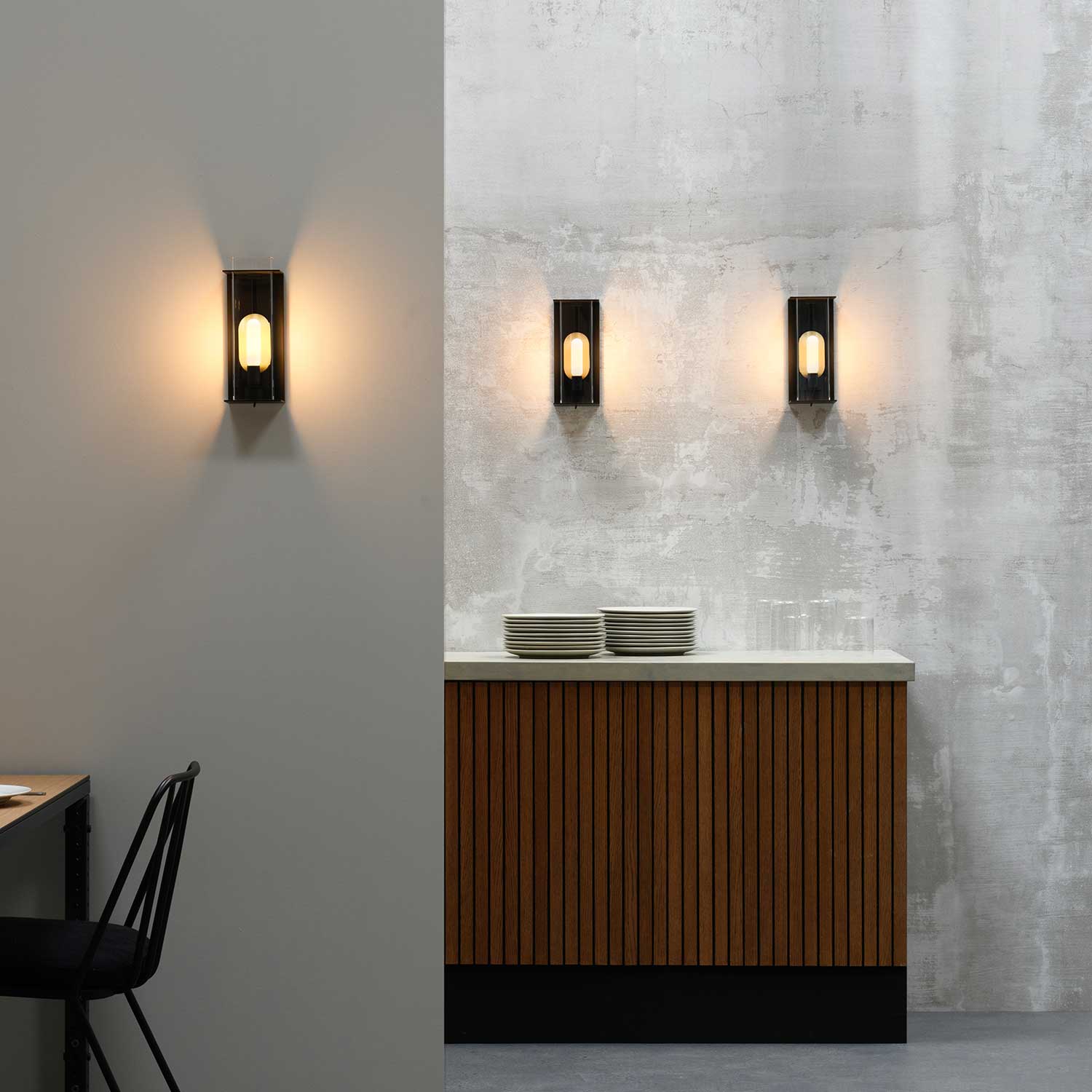
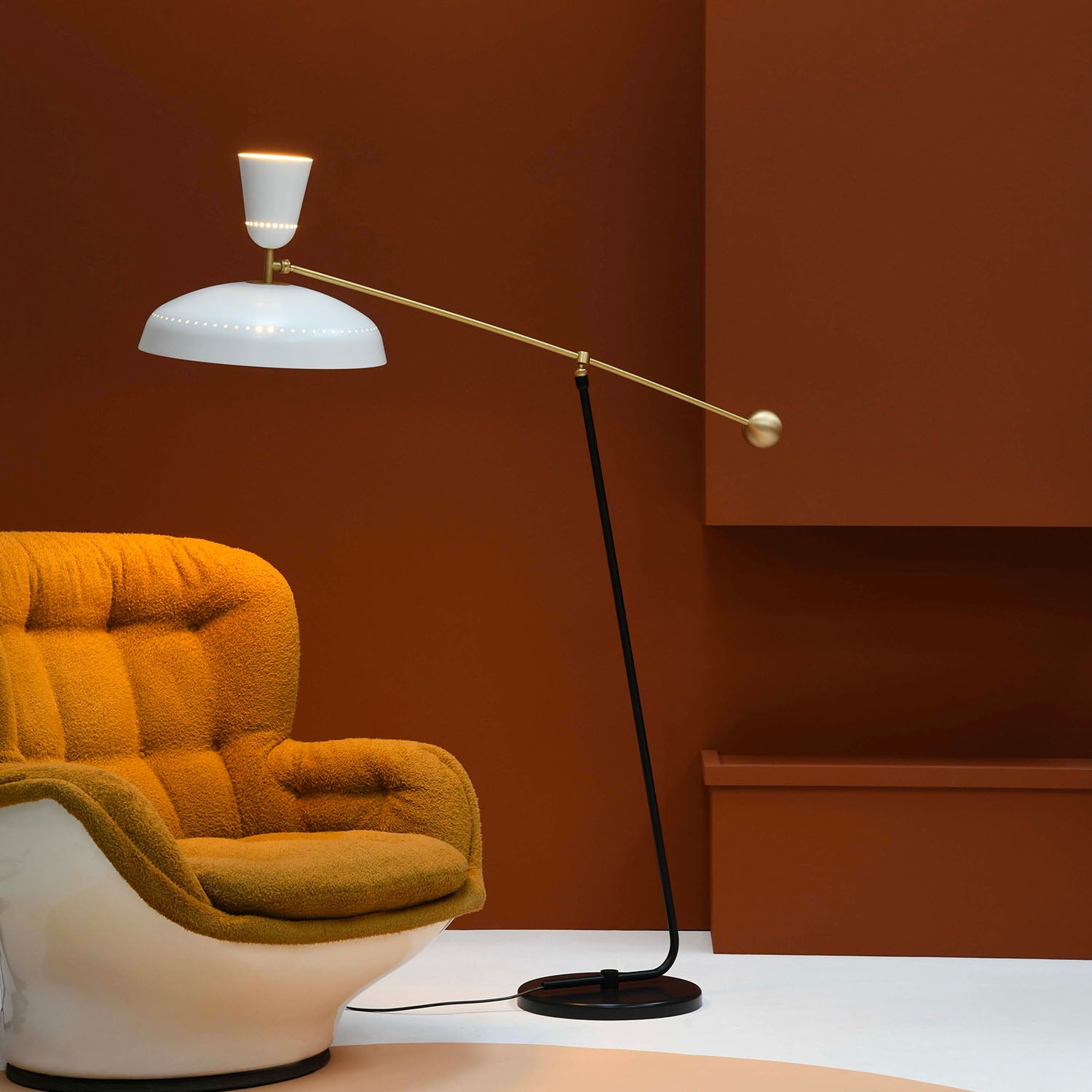
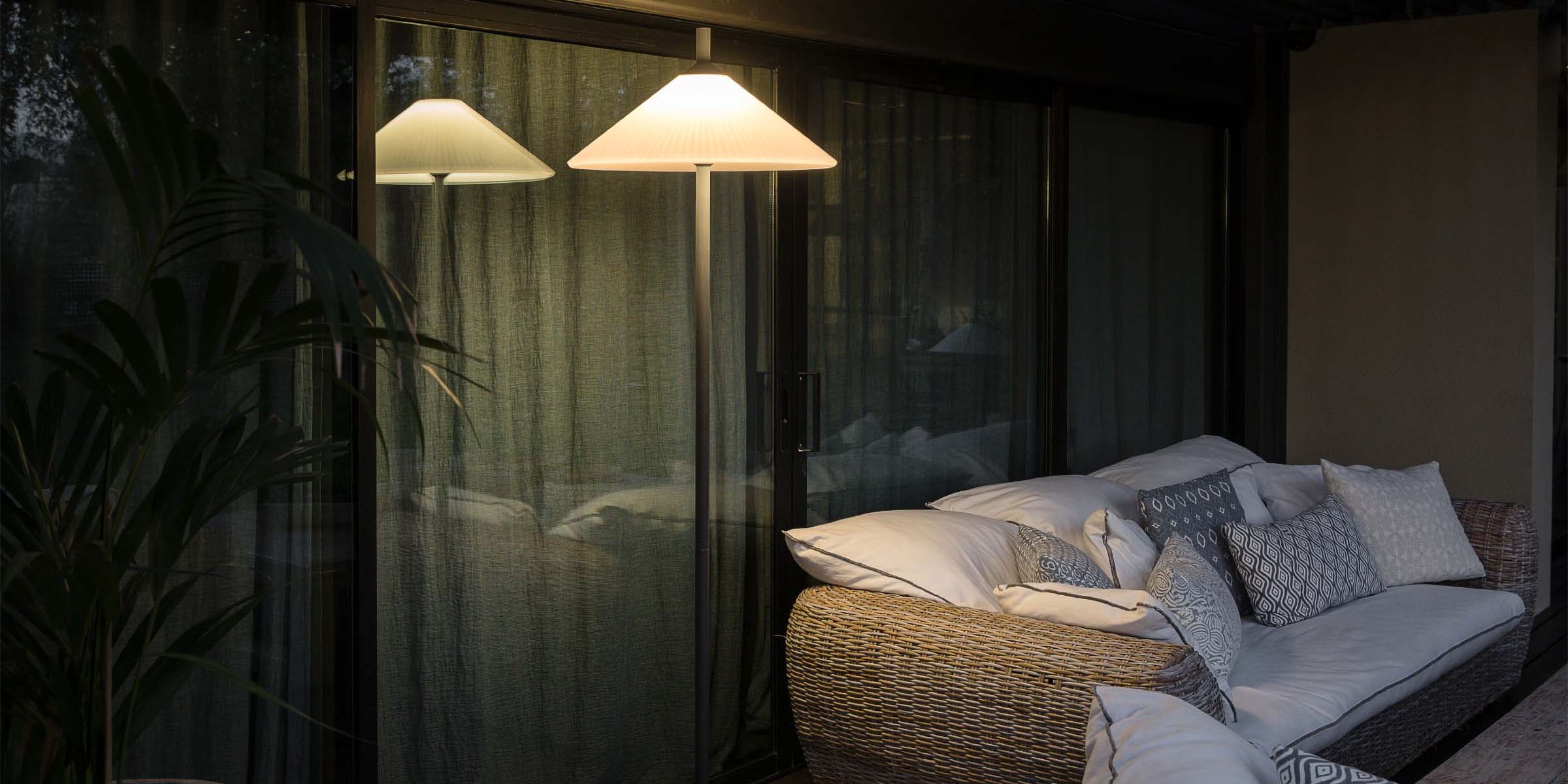
A floor lamp in a corner, a table lamp on a console, an accent light near the sofa, or a wall sconce can completely transform the perception of a room. The idea isn’t to accumulate fixtures but to distribute light coherently: a general source for visibility, a functional source for use, and an ambient source to warm the whole.
In this logic, mobile and easy-to-move models can be very useful to temporarily brighten a dark area. A simple solution is, for example, to add a wireless table lamp to add soft light where no outlet is available. It’s a very effective way to improve the perception of space without changing the existing installation.
Colors and materials that absorb light

Perceived brightness also depends greatly on surfaces. Dark walls, an anthracite sofa, a dense rug, thick curtains, or a matte floor absorb more light than a combination of light tones and more reflective materials. This doesn’t mean you should ban deep colors, but you need to use them in balance.
Off-whites, beiges, light grays, sand tones, or mineral shades reflect more light and visually enlarge the space. Materials like glass, light metal, some glossy ceramics, or lightweight textiles also contribute to this feeling of brightness.
Mirrors are also valuable allies. Well placed, they reflect natural or artificial light and help visually brighten a wall or a passageway. It’s not a miracle solution, but in a dark room, it’s often an excellent complement to well-thought-out decorative lighting.
How to effectively fix a dark interior
The first step is to observe the room at different times of day to spot areas that remain in shadow. Then analyze the three main parameters: amount of light, quality of light, and light distribution. Often, acting a little on each gives the best result.
Start by strengthening the general lighting if the room objectively lacks intensity. Then add secondary light points in corners, near seating, or in passage areas. If surfaces are very dark, consider lightening some elements: lighter curtains, brighter accessories, less light-absorbing textiles.
It’s also useful to prioritize needs. A room may seem dark because the reading corner is poorly lit, the dining table lacks light, or an entire wall remains in shadow. Correcting these specific points often gives a much more effective result than simply changing the main bulb.
Finally, think of lighting as both an ambiance tool and a functional tool. A home feels bright when it seems lively, nuanced, and comfortable. It’s this combination of adapted intensity, well-distributed light, and well-chosen materials that truly transforms a space.
Conclusion
If your interior seems dark, it’s not necessarily a fatal flaw or an architectural problem. In most cases, the lack of light comes from a set of simple mistakes: a single source, wrong intensity, inappropriate color temperature, overly absorbent surfaces, or lack of accent lighting. By correcting these points, it becomes possible to profoundly transform the perception of a room.
A successful indoor lighting doesn’t rely on a single solution but on a balanced composition between general light, functional light, and ambient light. By working on fixtures, materials, and source distribution, you can make your home much brighter, warmer, and more pleasant to live in every day.


Leave a comment
This site is protected by hCaptcha and the hCaptcha Privacy Policy and Terms of Service apply.