
Euroluce: The international lighting design exhibition in Milan
Organized in Milan, Euroluce is one of the major events in lighting design worldwide. Every two years, this event brings together designers, manufacturers, architects, and specifiers around innovations shaping the future of light. A true trend laboratory, Euroluce allows anticipation of the aesthetic, technological, and functional evolutions of contemporary lighting.

History of Euroluce
Created in 1976 by Cosmit as part of the Milan Furniture Fair, Euroluce was originally just a space dedicated to lighting. Faced with growing interest in this field, the event gradually developed until becoming, in 1998, an independent exhibition held alongside the Salone del Mobile.
Since then, Euroluce has established itself as an international reference, attracting exhibitors and visitors from around the world. The event reflects the constant evolution of lighting technologies, materials, and uses in interior architecture as well as professional projects.

Features of the fair
Euroluce takes place over five days in Milan and is mainly aimed at industry professionals: designers, manufacturers, distributors, architects, and specifiers. The fair offers a comprehensive overview of innovations, from decorative lighting fixtures to technical solutions for office, hotel, or commercial spaces.
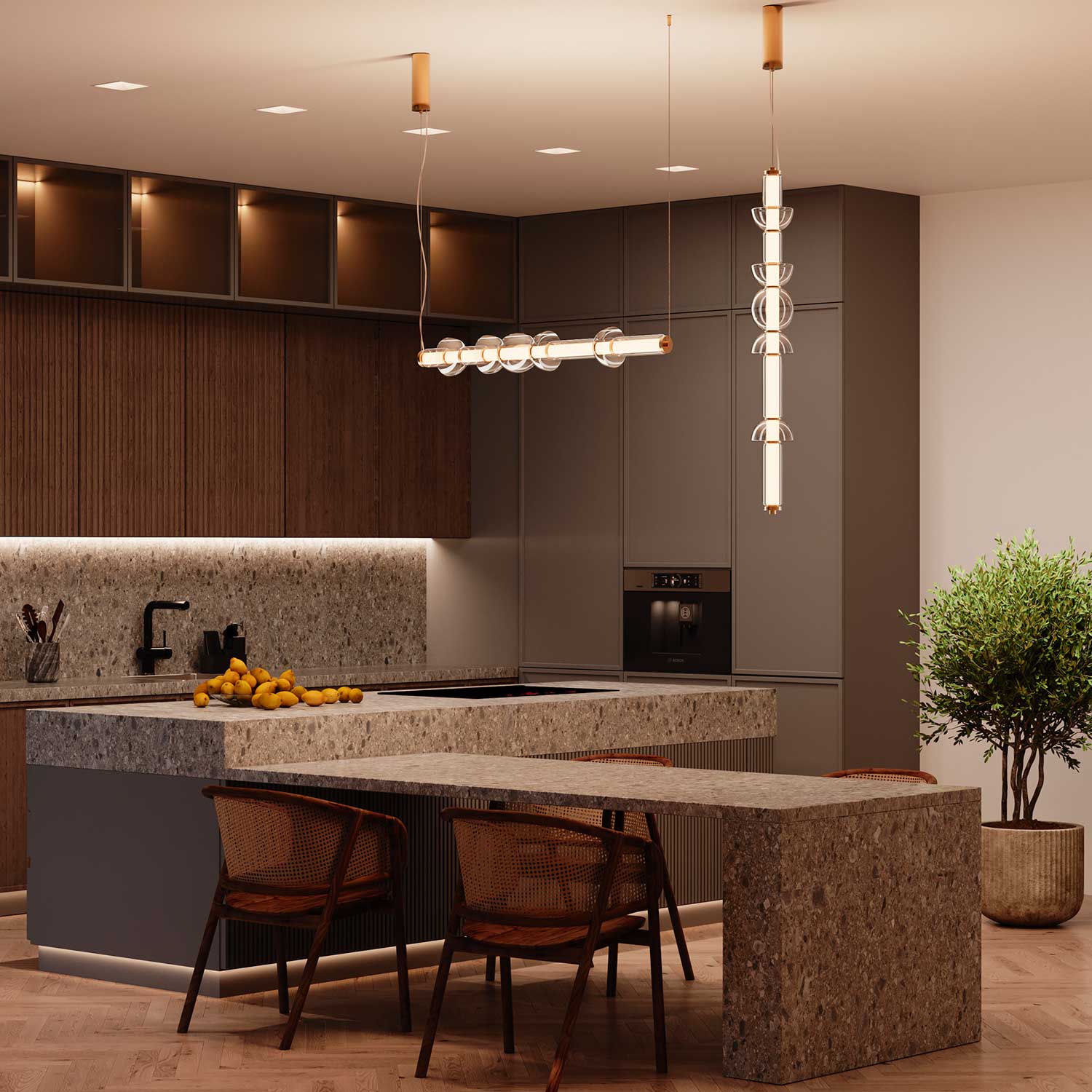
Scenography plays a central role. The booths are designed as immersive installations, highlighting light as an architectural material. This approach transforms the visit into a sensory and creative experience, essential for understanding new directions in the design lighting market.
Why Euroluce is a key event
Euroluce is above all a strategic meeting place for the entire industry. Brands unveil their new products there, while visitors identify emerging trends and expand their professional networks.
The event also benefits from strong international media coverage. The most striking creations are featured in specialized press and have a lasting influence on the sector’s aesthetic directions.
Finally, Euroluce plays a driving role in innovation. The technologies presented — new LED sources, intelligent control systems, experimental materials — help evolve standards of performance, visual comfort, and architectural integration.

Major trends observed
From one edition to the next, certain strong directions emerge. LED technology remains central, offering energy efficiency, miniaturization, and design freedom. It enables the creation of ever slimmer, modular, and adaptive lighting fixtures.
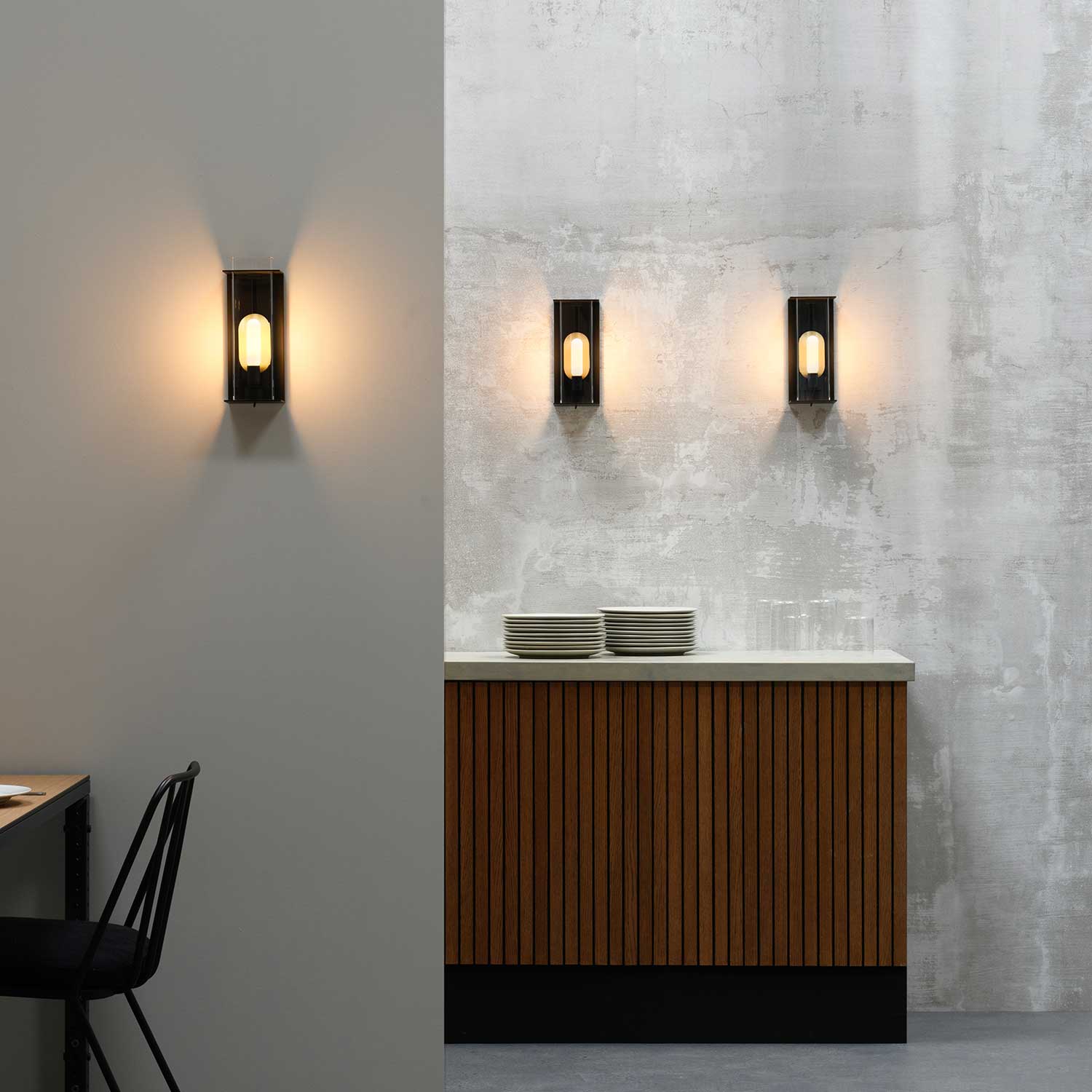
At the same time, there is a return to more timeless forms. Designers reinterpret classic silhouettes by integrating contemporary technologies, creating a dialogue between tradition and modernity.
Attention to materials is also intensifying. Certified wood, recycled glass, natural textiles, or reused metals reflect the growing importance of environmental concerns in lighting design.
Finally, customization becomes a major lever. Modular and configurable systems allow lighting to be adapted to the specific needs of architectural projects, enhancing the bespoke dimension of lighting design.
Dates of upcoming editions
Euroluce is held alternately with the Milan Salone del Mobile. The next edition is scheduled for April 2027 at the Rho Fiera Milano exhibition center, once again bringing together international players in the lighting sector. As in previous editions, conferences, immersive installations, and presentations of new collections will punctuate the event.
These gatherings are strategic moments for professionals wishing to anticipate trends, select new brands, or design innovative architectural lighting projects.

Conclusion
Over the decades, Euroluce has become much more than a fair: a true platform of inspiration and innovation for the entire lighting industry. By bringing together advanced technologies, aesthetic research, and forward-looking vision, the event shapes the future of international lighting design.
For architects, decorators, specifiers, or enthusiasts, following Euroluce helps understand the profound changes in light within our living and working spaces and anticipate the solutions that will define tomorrow’s lighting.


Leave a comment
This site is protected by hCaptcha and the hCaptcha Privacy Policy and Terms of Service apply.