
IP44 or IP65: which light fixture to choose according to your use?
When it comes to choosing a light fitting for a bathroom, kitchen, or outdoor space, one question often arises: should you opt for an IP44 or IP65 light fitting? These two protection ratings are among the most common, but their use varies depending on exposure to moisture, water, and dust.

What does an IP44 light fitting mean?
An IP44 light fitting is protected against solid objects larger than 1 mm and against water splashes from all directions. It is one of the most used ratings in homes.
It is perfectly suitable for:
- bathrooms outside the shower area
- toilets
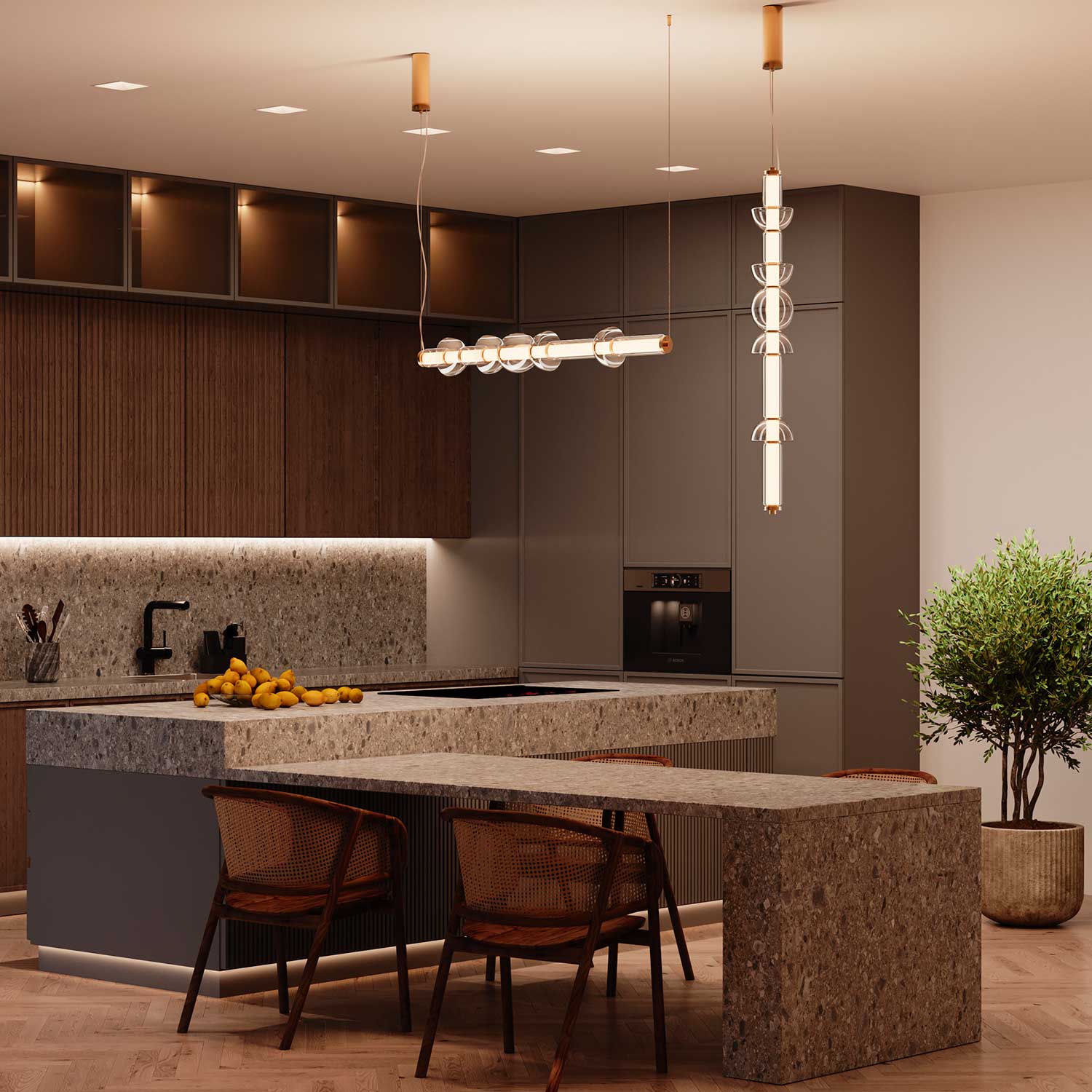
- kitchens
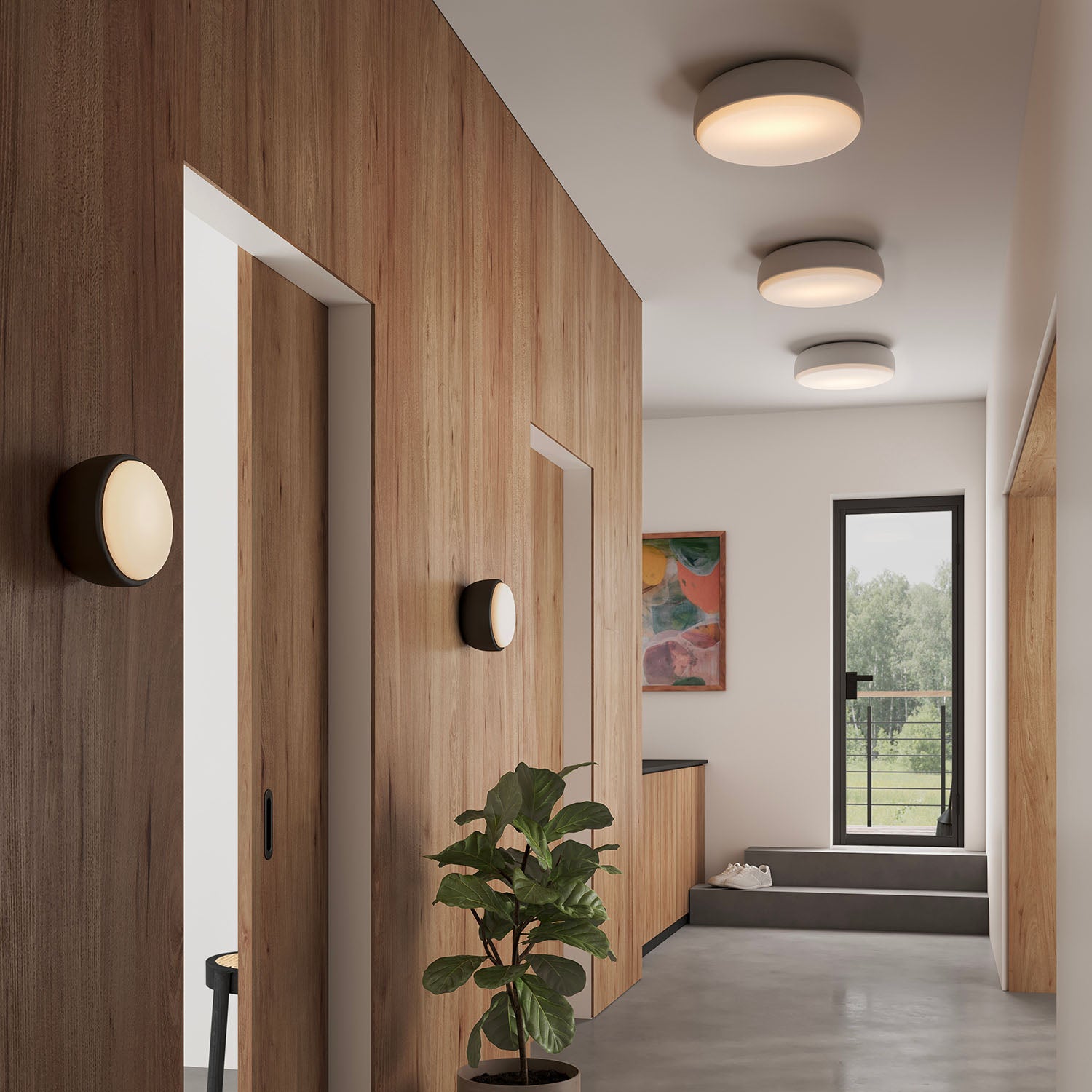
- entrances or hallways
- covered outdoor spaces
IP44 offers a good balance between protection and appearance. It allows the use of decorative light fittings while respecting the constraints related to moderate moisture.
What does an IP65 light fitting correspond to?
An IP65 light fitting benefits from a higher level of protection. It is completely protected against dust and resists powerful water jets.
This level of waterproofing is essential in areas highly exposed to water, such as:
- showers and direct spray zones
- bathrooms (zones 1 and 2)
- uncovered terraces
- gardens and exterior walls
An IP65 light fitting is therefore designed to withstand more demanding conditions, without risk to safety or product durability.
IP44 or IP65: what are the differences?

The main difference between IP44 and IP65 lies in their level of protection against water, but also in the conditions of use for which they were designed. These two ratings meet very distinct needs and should not be confused.
- IP44: protects against solid objects larger than 1 mm and against water splashes from all directions. It is suitable for slightly damp environments or those exposed to occasional splashes.
- IP65: offers total protection against dust and resists powerful water jets. It is designed for areas heavily exposed to moisture or bad weather.
In practice, an IP44 light fitting is perfectly suited to a well-ventilated bathroom, a kitchen, or an indoor space subject to moderate moisture. It allows a balance of safety, appearance, and variety of models.
Conversely, an IP65 light fitting is essential in areas directly exposed to water, such as a shower, an uncovered terrace, or an exterior wall. Its higher waterproofing level guarantees better durability and increased safety.
However, it is not always necessary to opt for the highest rating. An excessively high IP rating can limit aesthetic choices, complicate installation, and increase cost without providing real benefit if the environment does not require it.
Which IP rating to choose according to the room?
Bathroom
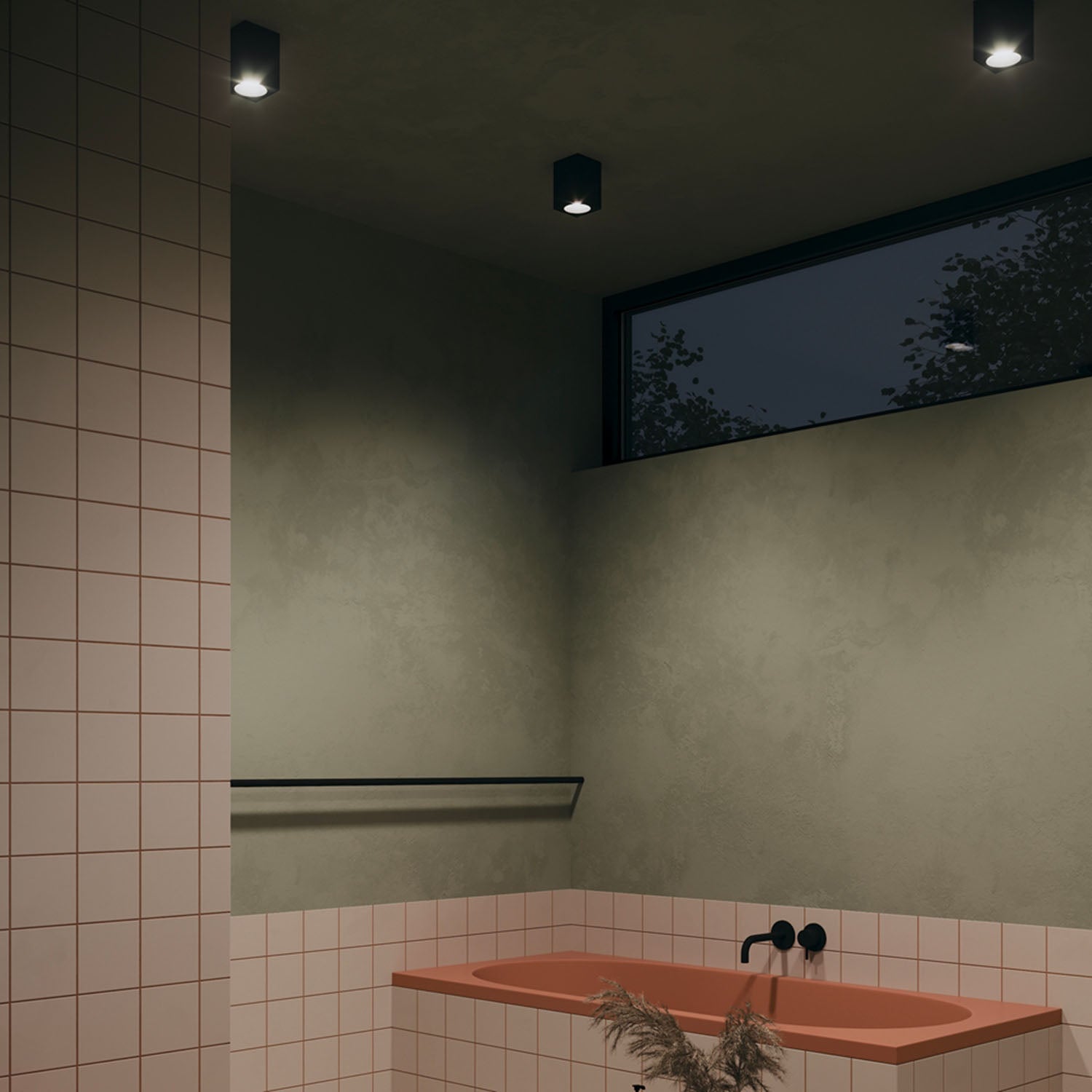
In a bathroom, the choice depends on the installation zone. Near a shower or bathtub, an IP65 light fitting is mandatory. Outside these zones, an IP44 is generally sufficient. To go further and choose the right lighting for each zone, you can consult our complete guide on bathroom light fittings.
Kitchen
An IP44 is perfectly suited above a work surface or sink, where occasional splashes may occur.
Hallway and entrance
In these dry areas, an IP44 is more than enough. It offers good protection while allowing a wide choice of designs.
Outside
For outdoor lighting exposed to rain, wind, or dust, an IP65 light fitting is strongly recommended to ensure safety and longevity. To learn more, discover all our waterproof outdoor light fittings, specially designed to withstand outdoor conditions.
Outdoor light fittings
Mistakes to avoid
The choice of a protection rating should never be made at random. Some mistakes are common and can lead to safety issues, reduced durability, or simply poor performance in use.
- Confusing IP44 with total waterproofing: an IP44 light fitting only resists water splashes and is not designed for direct or prolonged exposure.
- Installing an IP44 light fitting outdoors without shelter: on a wall, terrace, or garden, exposure to rain requires a higher protection rating.
- Oversizing unnecessarily with IP65: choosing too high a rating can limit aesthetic choices and increase cost without real benefit.
- Not respecting regulatory zones in the bathroom: each zone requires a specific protection level, which is important to follow for safety reasons.
A good choice of IP rating is based on analysing the environment: presence of water, humidity, possible splashes, and the location of the light fitting. Taking these criteria into account ensures a safe, durable, and suitable installation for your use.
Conclusion
Choosing between an IP44 or IP65 light fitting depends primarily on the environment in which it will be installed. IP44 is perfectly suited to moderately damp rooms and indoor spaces, while IP65 is essential for areas exposed to water or bad weather.
By understanding the difference between these two ratings, you avoid common mistakes and ensure a reliable, durable installation that meets safety requirements.
To go further, you can also consult our complete guide on protection ratings to make the best choice for your project.


Leave a comment
This site is protected by hCaptcha and the hCaptcha Privacy Policy and Terms of Service apply.