
Light and well-being: what science says about lighting
Light is not limited to a functional role. It directly influences our biological rhythm, our mood, and our daily comfort. Numerous studies now show that choosing appropriate indoor lighting plays a key role in well-being, concentration, and sleep quality. Understanding the impact of light helps to better arrange one’s interior and create more pleasant living spaces.
- Light and the biological rhythm
- Natural light and artificial light: finding the right balance
- Warm or cool light: what effects on the body
- Lighting and mood: a direct link
- Why changing light improves well-being
- How to properly light your home to feel better
- How light influences the perception of a space
- Lighting mistakes that harm well-being
- Conclusion

Light and the biological rhythm
Our body works according to an internal clock called the circadian rhythm. This is directly influenced by light, especially by its intensity and colour temperature. Prolonged exposure to light that is too cool or too intense late in the day can disrupt the production of melatonin, the hormone that regulates sleep.
Conversely, a well-thought-out domestic LED lighting, more dynamic during the day and softer in the evening, helps the body respect its natural cycles. That is why artificial light should change throughout the day and adapt to uses, rather than remain uniform from morning to night.
Natural light and artificial light: finding the right balance

Natural light remains the benchmark for well-being. It promotes alertness, improves mood, and contributes to biological balance. Yet, our modern lifestyles often limit its supply, especially in winter or in homes with little exposure.
A well-thought-out indoor lighting then makes it possible to compensate for these shortages. The goal is not to perfectly imitate sunlight, but to take inspiration from it: brighter light during the day, then gradually softer in the evening. This alternation helps the body stay in sync with its environment.
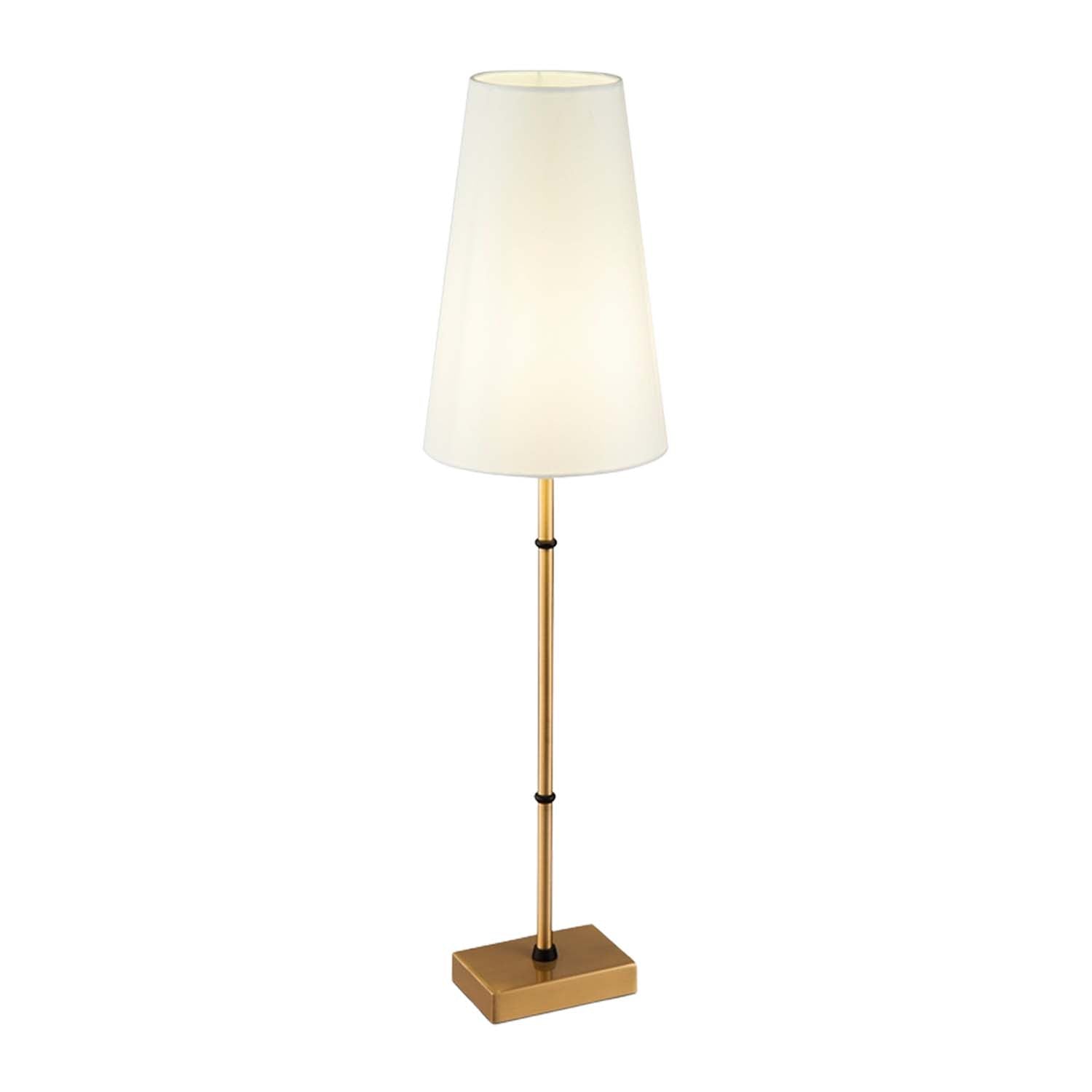
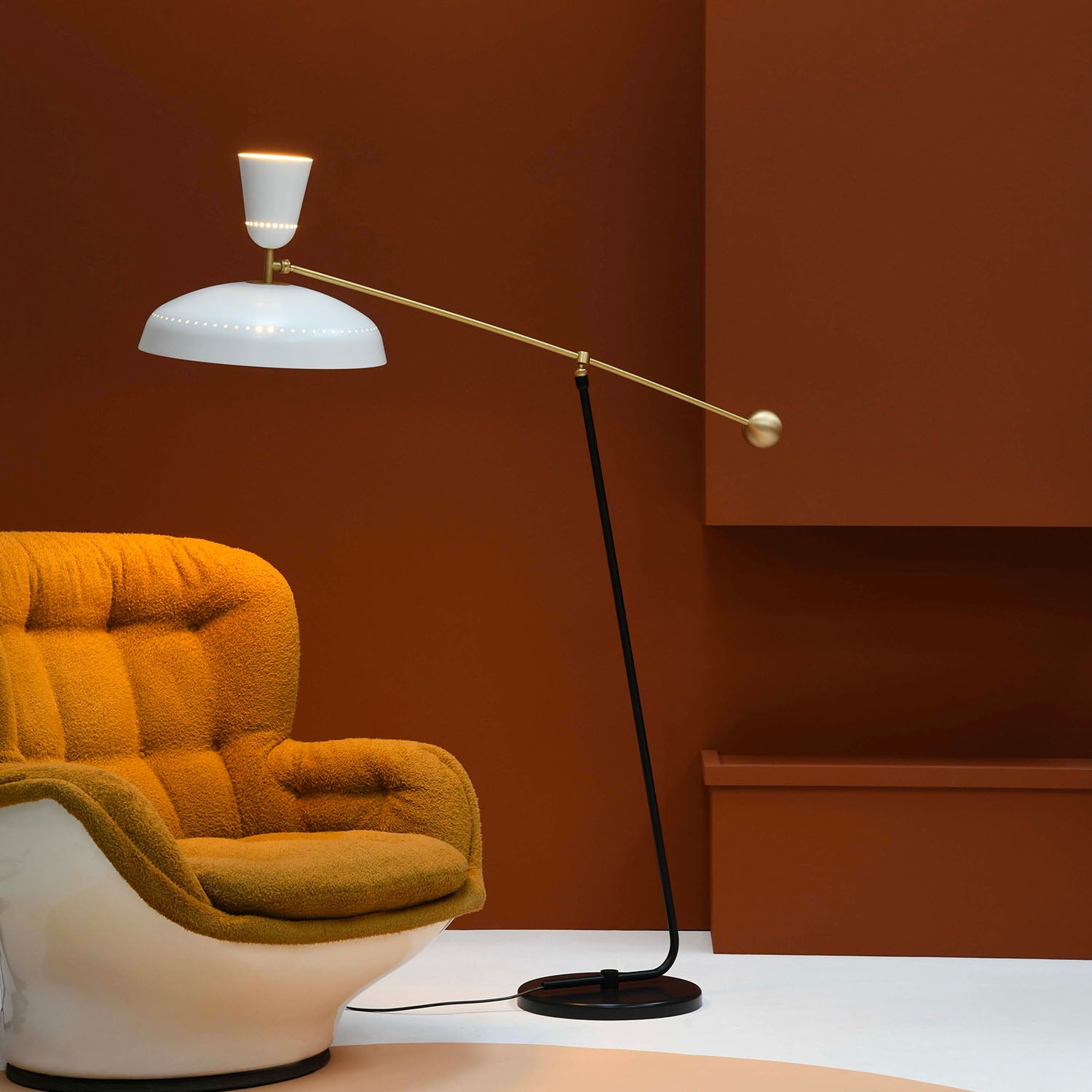
In wintertime, increasing the number of light sources becomes essential. Cordless lamps offer great freedom of use: easy to move, they allow soft light where it is needed, from the living room to the bedroom, thus fostering a more comforting atmosphere daily.
Warm or cool light: what effects on the body
Colour temperature has a direct impact on our physiological state. Cool light stimulates attention and promotes concentration, while warm light invites relaxation and rest.
In living spaces, choosing a suitable colour temperature improves visual comfort while creating a more balanced atmosphere. A living room or bedroom lit by overly white light can cause discomfort or even fatigue, without immediately identifying the cause.
Lighting and mood: a direct link
Light also affects our mood. Too harsh lighting can increase stress and nervousness, while insufficient or poorly distributed lighting creates discomfort.
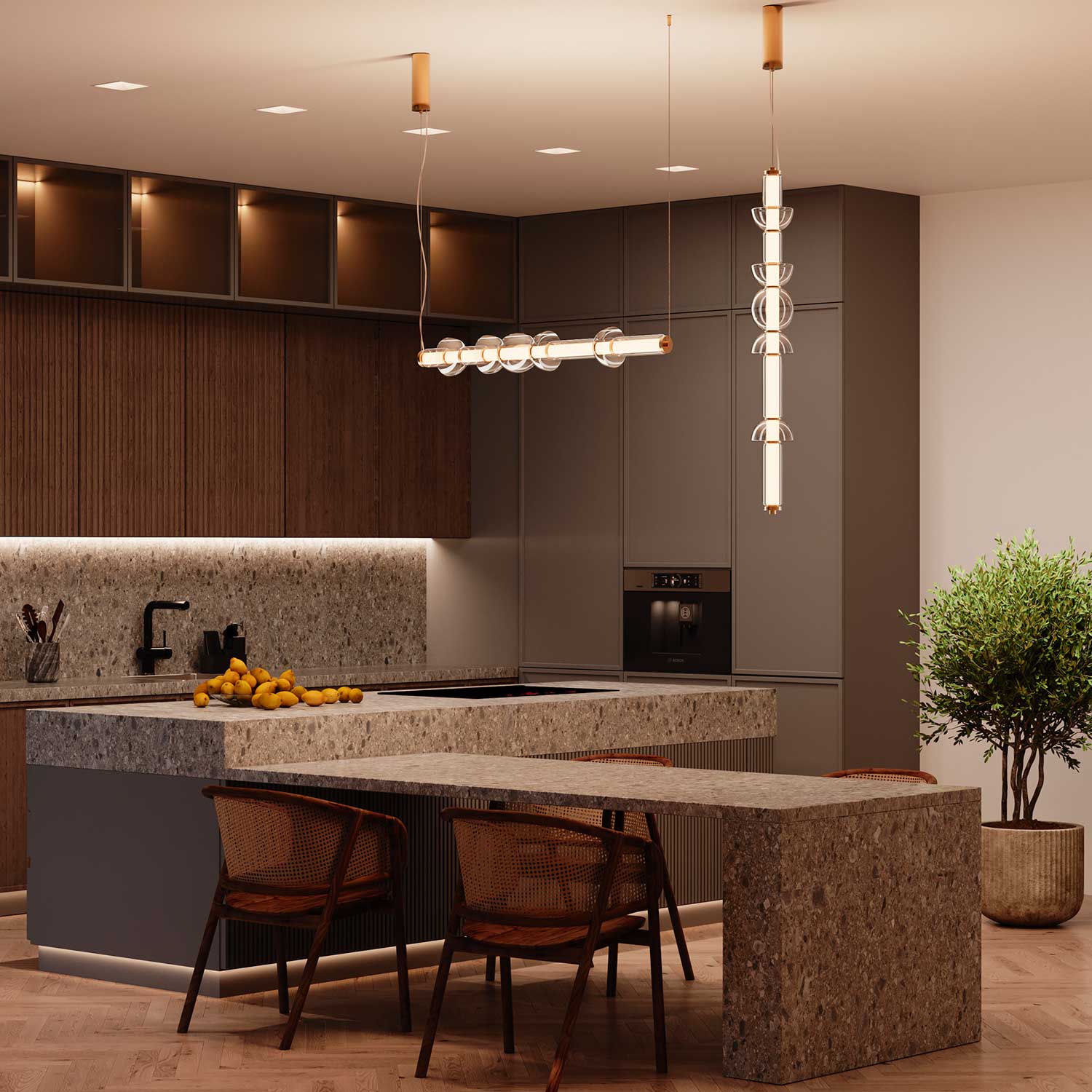
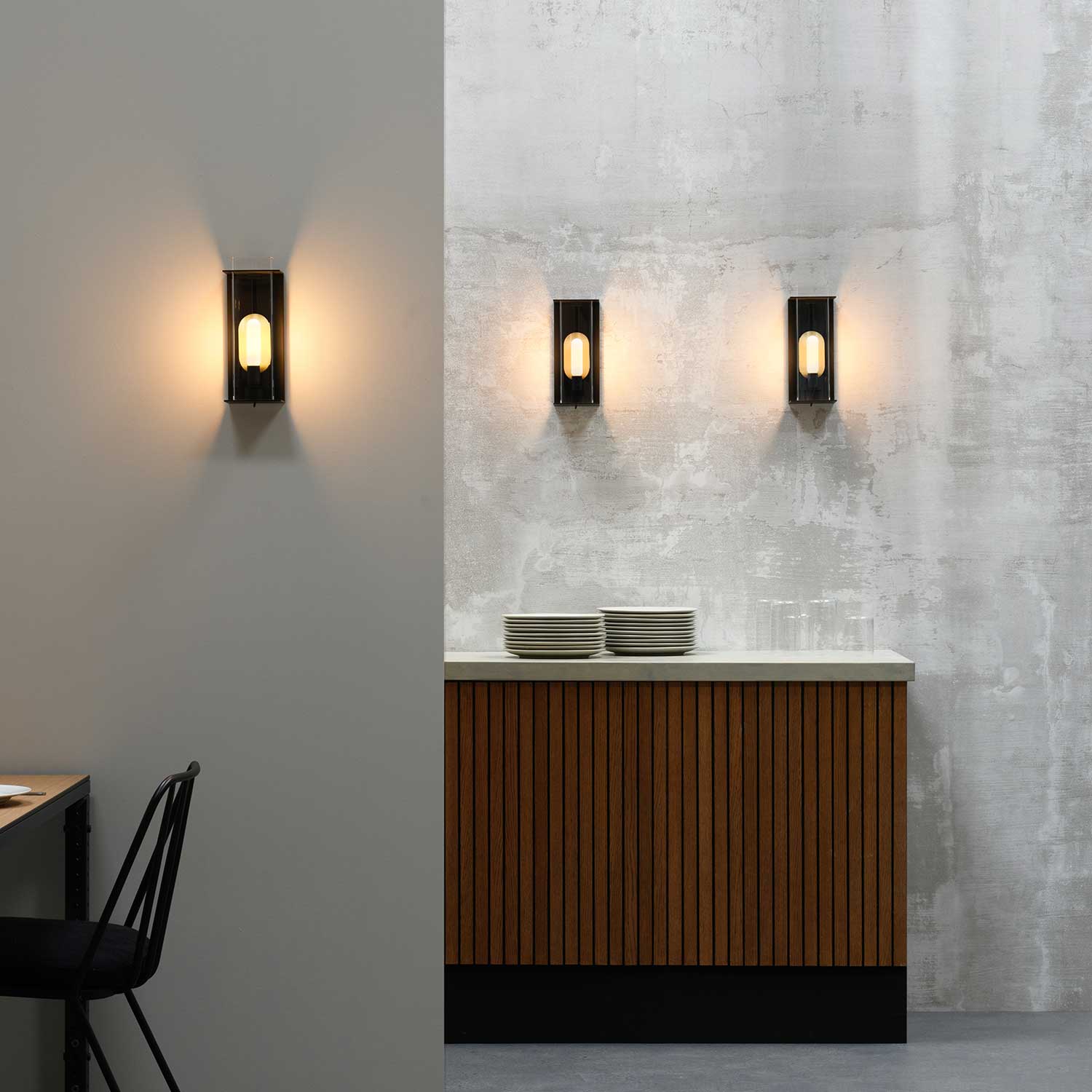
Conversely, comfortable lighting, well diffused and adjustable, contributes to a feeling of calm and security. This is one reason why multiple light points and intensity variation are now recommended in interior design.
Why changing light improves well-being

Uniform and constant lighting does not meet the body’s natural needs. Light variation plays an essential role in visual comfort and overall well-being.
Being able to adjust the intensity of indoor LED lighting allows a shift from functional light to a more soothing atmosphere, without abrupt changes. This gradual change reduces eye strain and eases the transition between active times and rest moments.
In living spaces, light variation also contributes to better perception of volumes and a more balanced atmosphere, far from rigid and fixed lighting.
How to properly light your home to feel better
Each room in the house has specific needs. In a living room, it is advisable to combine general lighting with softer secondary sources. In a bedroom, warm and indirect light encourages falling asleep. In an office, precise but non-glare lighting improves concentration.
The choice of light fixtures, their direction, and their diffusion is crucial. To explore this further, you can consult our article dedicated to lighting temperatures, to adapt each light source to uses and times of day.
How light influences the perception of a space
Light not only changes our comfort, it also transforms the perception of volumes. Poorly positioned lighting can flatten heights, highlight flaws in a room, or create visual discomfort.
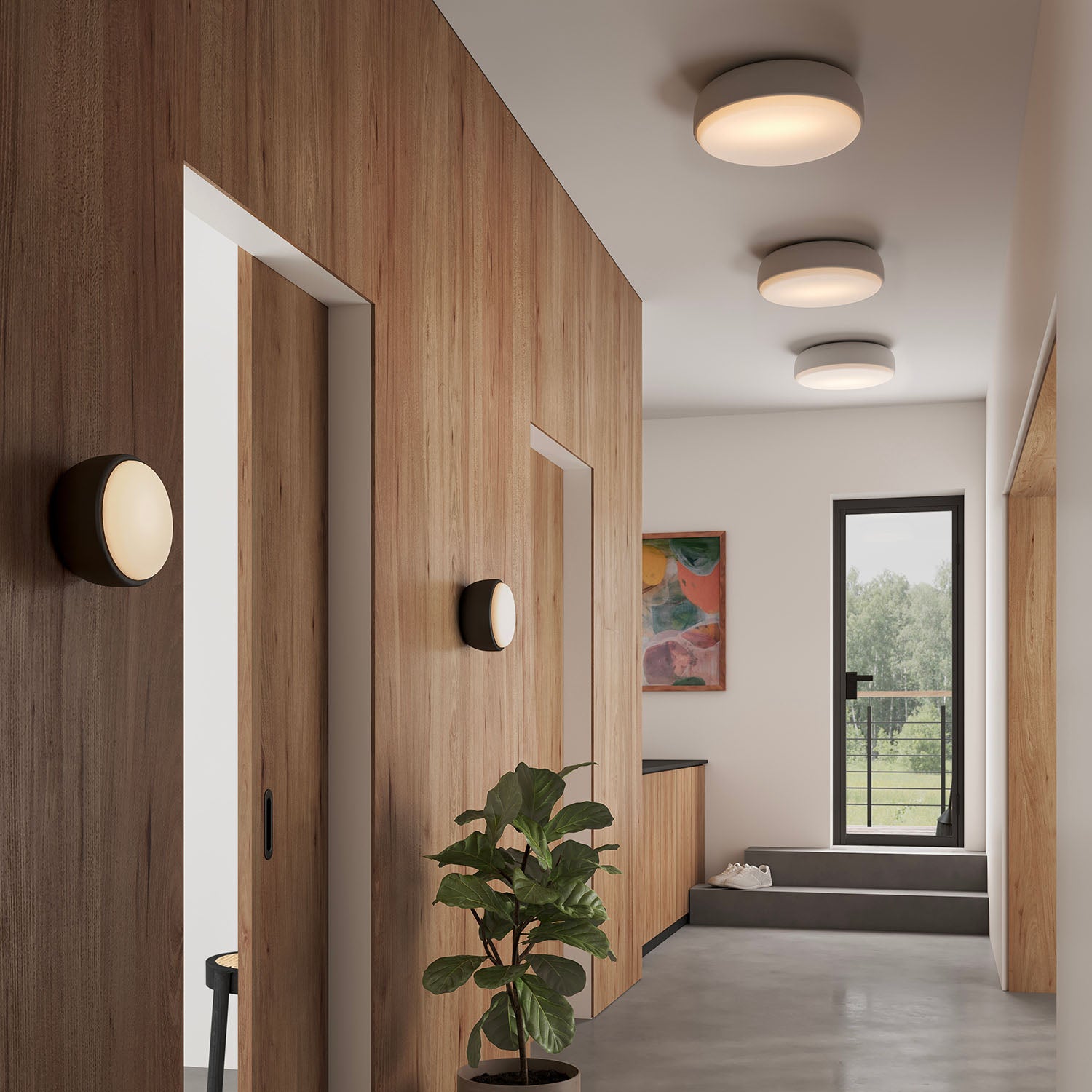
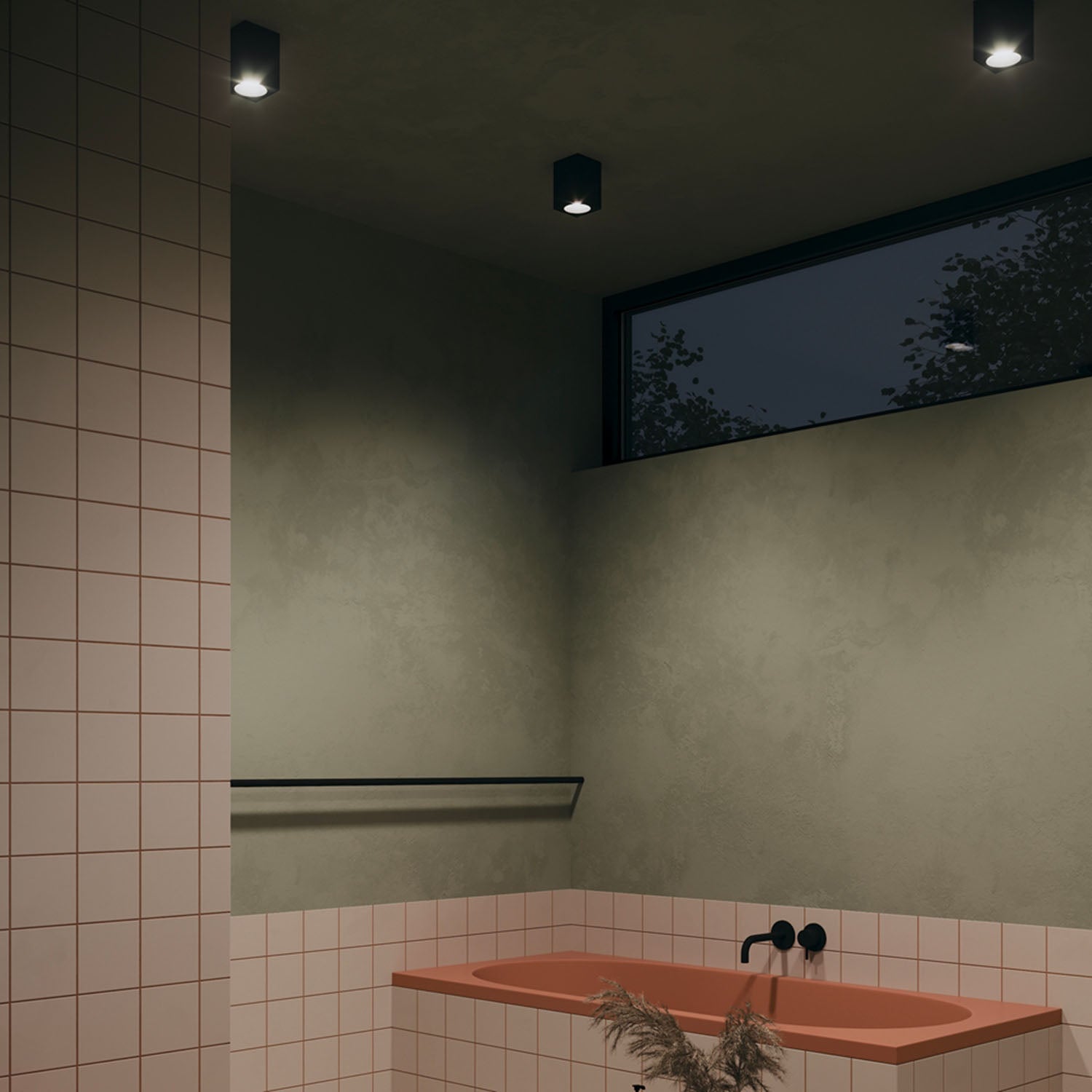
Conversely, appropriate indoor lighting allows a space to visually open up, structures zones, and creates a smoother reading of the room. The direction of fixtures, light diffusion, and choice of colour temperatures play a decisive role here.
That is why lighting must be considered as a full-fledged design element, just like furniture or materials.
Lighting mistakes that harm well-being

Some mistakes are common in lighting design:
- using light that is too white in resting areas
- relying on a single central light source
- neglecting intensity variation
- installing fixtures poorly directed
Well-being indoor lighting is above all based on balance, gradual change, and adaptation to real uses.
Conclusion
Science confirms it: light profoundly influences our body, mind, and daily comfort. By taking into account the biological rhythm, colour temperature, and light diffusion, it is possible to transform an interior into a more calming and pleasant living space.
Thinking of lighting as a true tool for well-being allows for lasting improvement in quality of life at home, without necessarily increasing light power.


Leave a comment
This site is protected by hCaptcha and the hCaptcha Privacy Policy and Terms of Service apply.