
The 7 lighting mistakes found in 80% of homes
Lighting is one of the most important elements in an interior, yet it is often overlooked when setting up a house or apartment. Many interiors have well-chosen furniture and careful decoration, but the overall atmosphere remains disappointing due to poor lighting. Poorly planned indoor lighting can create shadowy areas, tire the eyes, or give a room a cold and unwelcoming atmosphere.
The good news is that most of these problems come from simple and very common mistakes. By identifying them, it becomes easy to significantly improve the visual comfort and aesthetics of an interior. Here are the 7 lighting mistakes found in most homes.

1. Only one light source per room
This is probably the most common mistake. Many interiors rely solely on a central ceiling light. This type of setup creates uniform lighting but often flat, without relief or depth.
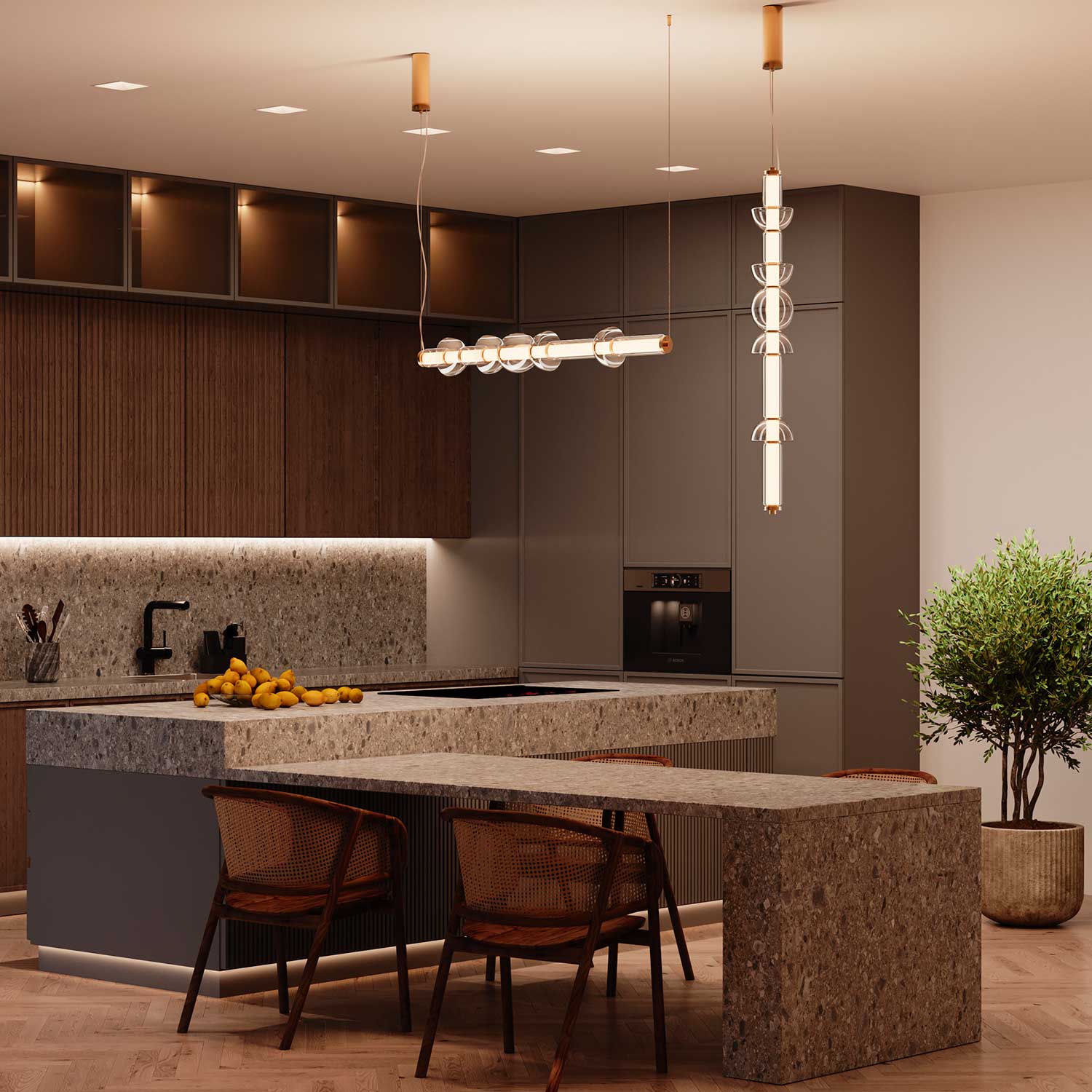
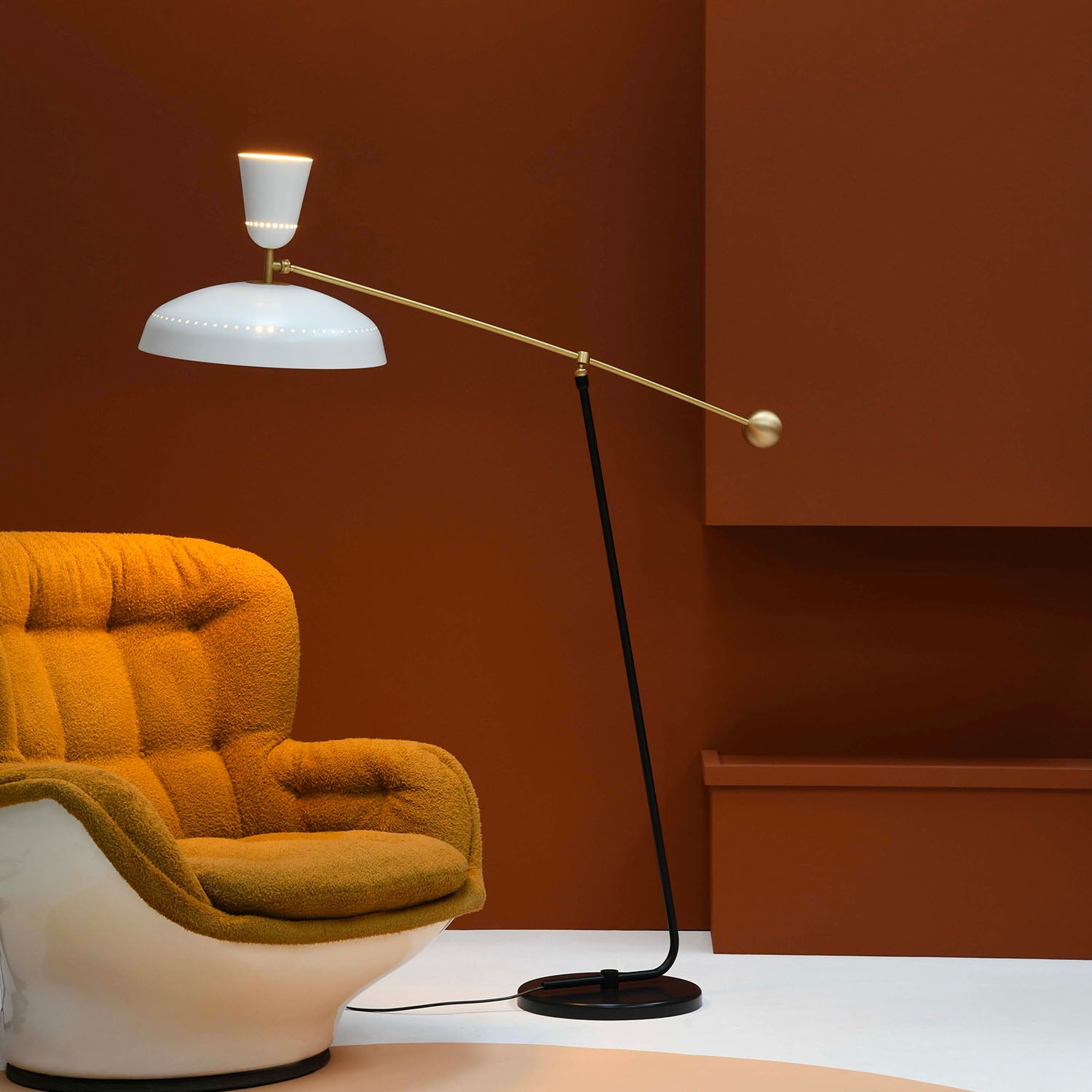
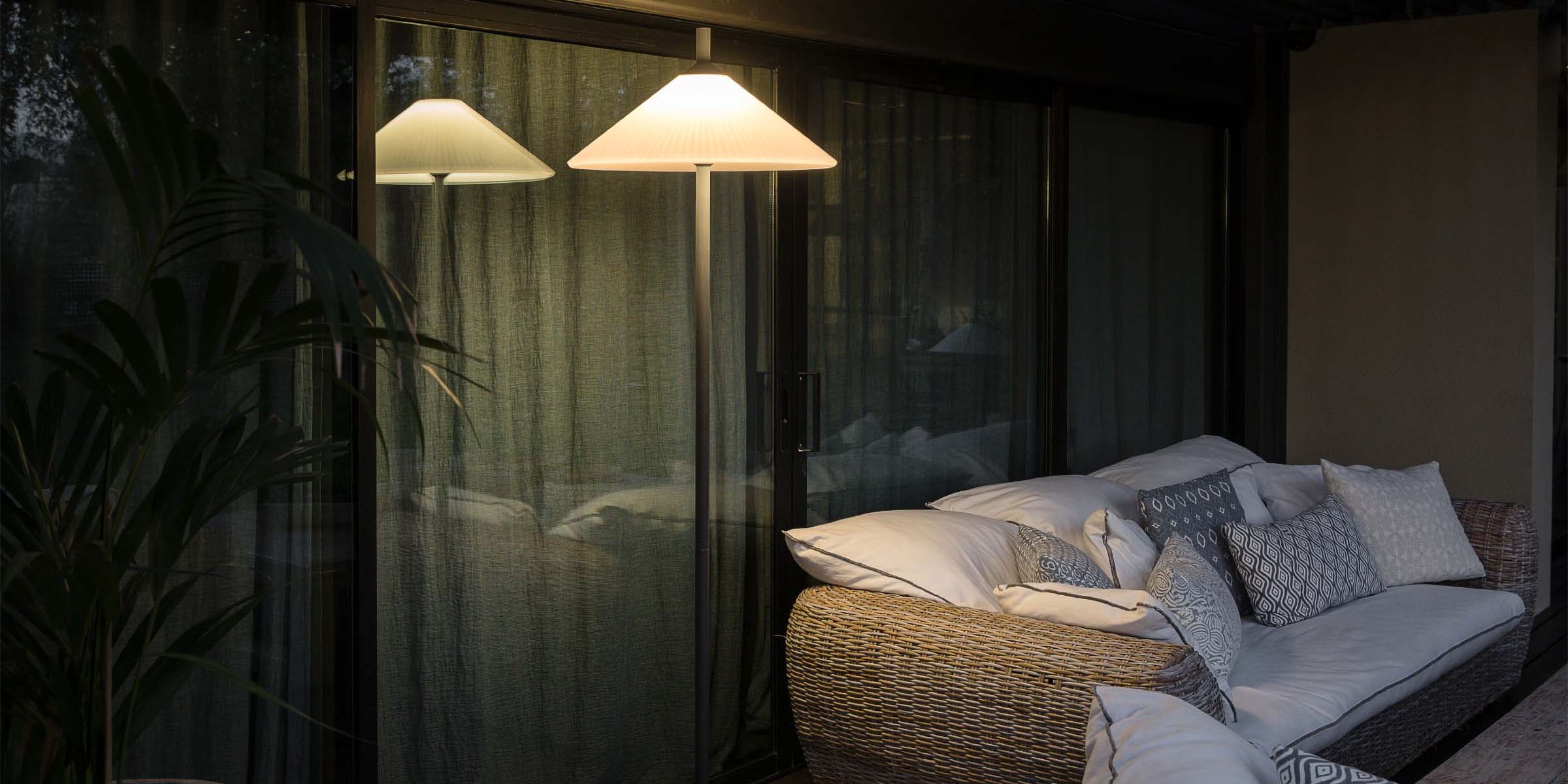
Well-designed lighting is based on layering several light sources. We often talk about three levels: general lighting, task lighting, and ambient lighting. For example, in a living room, you can combine a main pendant light, a floor lamp near the sofa, and a table lamp on a piece of furniture.
This combination helps structure the space and adjust the light intensity according to the time of day.
2. Choosing an inappropriate light power

A room that is too dark is often linked to insufficient light power. Conversely, light that is too strong can become harsh and uncomfortable.
To avoid this problem, it is essential to understand the difference between watts and lumens. Watts indicate electrical consumption, while lumens actually measure the amount of light produced. To properly size your lighting, it is useful to refer to a detailed guide like the one dedicated to choosing the right light power.
Well-sized LED lighting immediately improves the visual comfort of a room.
3. Ignoring color temperature
Color temperature strongly influences the atmosphere of an interior. Light that is too cold can make a room feel clinical, while light that is too warm can distort color perception.
In most living spaces, a temperature around 3000K offers a good balance. This warm but clear light is ideal for living rooms, bedrooms, or dining rooms.
Choosing the right color temperature allows you to create a pleasant atmosphere while maintaining good visibility.
4. Multiplying ceiling spotlights
Recessed spotlights are often used as a universal solution. However, installing too many can result in very uniform and sometimes unwelcoming lighting.
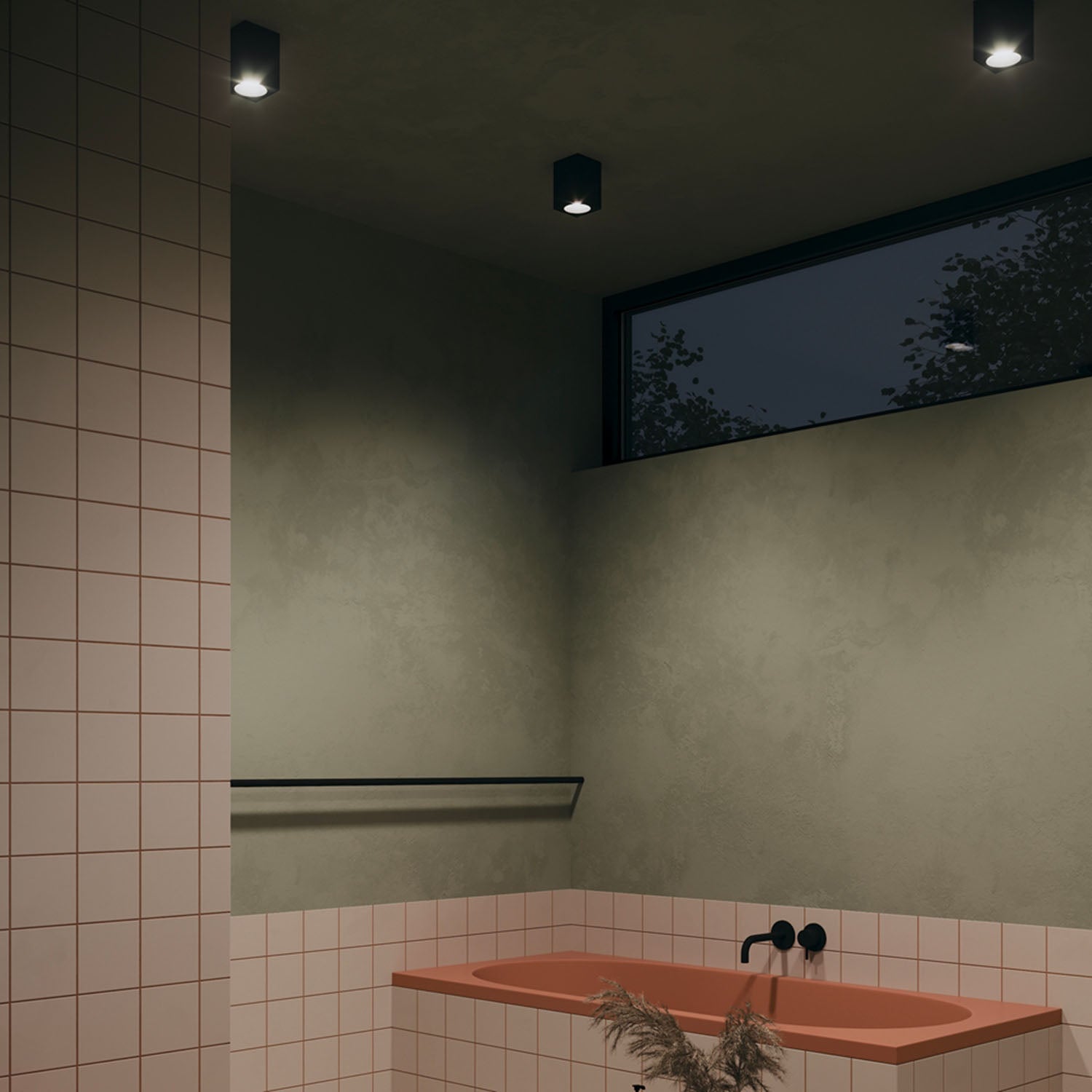
A ceiling full of spotlights can produce very direct lighting and create an unattractive grid effect. It is generally better to combine spotlights with other types of fixtures to vary the sources and directions of light.
Balanced architectural lighting always relies on several types of fixtures.
5. Neglecting ambient lighting

Task lighting is essential, but it is not enough to create a pleasant atmosphere. Ambient lighting plays a key role in the comfort of an interior.
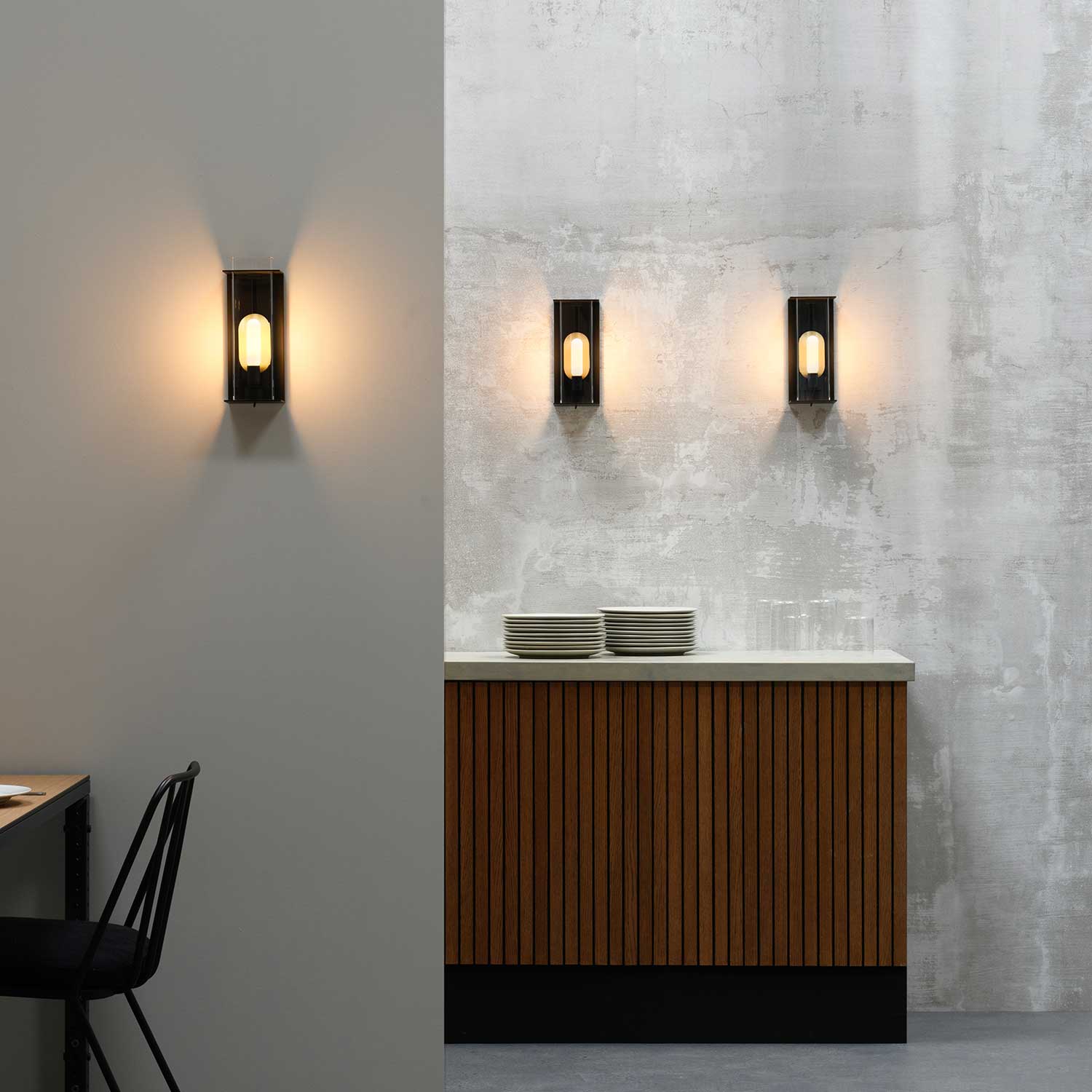
Floor lamps, table lamps, and wall sconces allow for the diffusion of indirect and softer light. This type of lighting is especially appreciated in the evening when you want to create a relaxing atmosphere.
Well-thought-out ambient lighting brings warmth and depth to a room.
6. Forgetting important areas
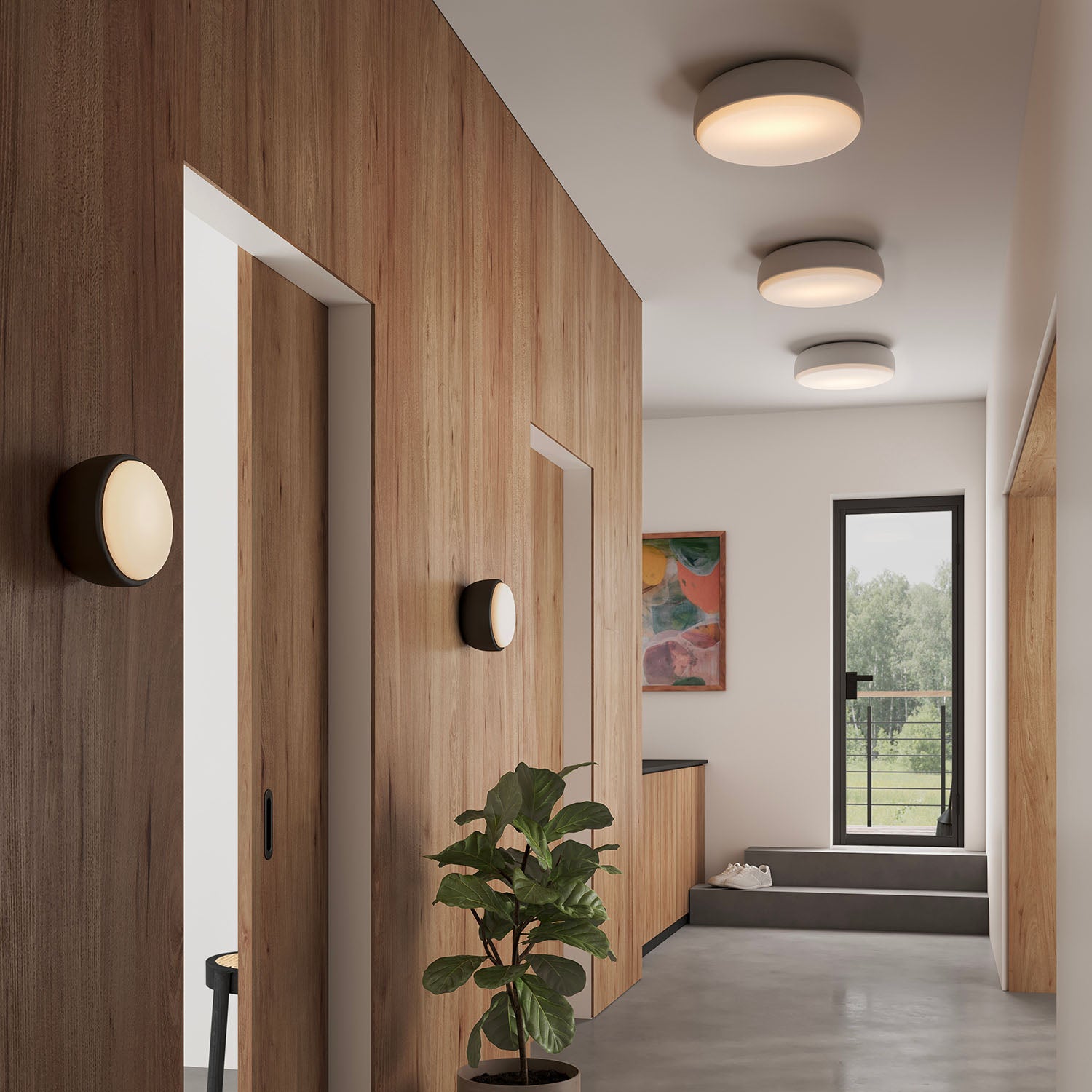
In many interiors, some areas remain poorly lit. Hallways, stairs, closets, or kitchen work surfaces are often neglected.
These spaces require precise and functional lighting. For example, an LED strip under kitchen cabinets greatly improves visibility on the work surface.
Targeted task lighting makes every area of the home more practical to use.
7. Choosing fixtures only for their aesthetics
A fixture can be very attractive without being suitable for the room’s use. A decorative model may, for example, emit too little light to properly illuminate a space.
It is important to find a balance between design and lighting performance. The fixture must fit into the decor while meeting real lighting needs.
A design fixture should always be chosen considering its light distribution, power, and placement.
Conclusion
Good lighting completely transforms an interior. By avoiding these common mistakes, it becomes possible to create a bright, comfortable, and aesthetically pleasing environment suited to every use.
The key to successful lighting lies in balancing different light sources, appropriate power, and consistent color temperature. By taking the time to carefully design your lighting, each room can reveal its full potential.


Leave a comment
This site is protected by hCaptcha and the hCaptcha Privacy Policy and Terms of Service apply.