
Where to find antique lighting fixtures and how to choose them well?
Antique lighting fixtures captivate with their charm, authenticity, and ability to tell a story. Porcelain pendants, patinated wall sconces, floral chandeliers, or industrial workshop lamps… these pieces bring a unique decorative depth to an interior. But is it really necessary to hunt for a vintage piece at a flea market, or should you opt for a reissue inspired by the past?
Between authenticity, electrical safety, and integration into a contemporary interior, the choice deserves careful thought. Here is a complete guide to understanding where to find an antique lighting fixture and, above all, how to choose it well.

Why antique lighting fixtures are so appealing
Choosing authentic vintage lighting means introducing a piece full of history into your interior. The materials used in the past – porcelain, solid brass, thick glass – have a quality and visual presence rarely found in contemporary industrial productions.
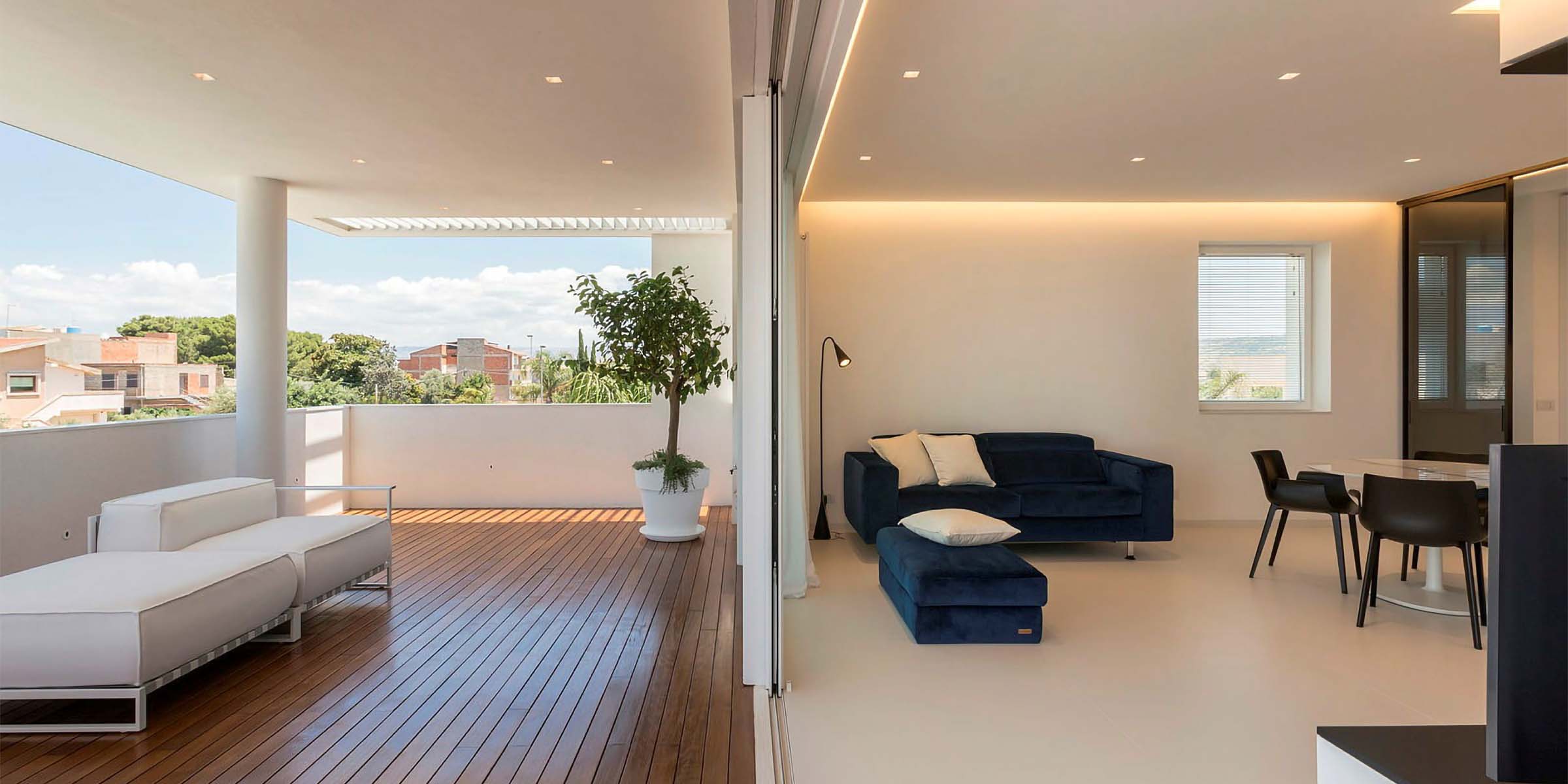
In a characterful house, an old building, or a Haussmann-style apartment, an antique lighting fixture immediately enhances the soul of the place. It brings warmth, patina, and texture. But it can also create a very interesting contrast in a minimalist interior, where it becomes the centerpiece of the décor.
Where to find genuine antique lighting fixtures
To find a period antique lighting fixture, several options are available:
Flea markets and secondhand fairs allow you to discover unique pieces, sometimes in need of restoration. Antique dealers offer a more curated selection, often already updated to current standards. Auctions and specialized platforms can also offer great surprises, especially for industrial or Art Deco models.
However, these searches require time, some expertise, and particular attention to the electrical condition of the product. Not all antique pieces are immediately compatible with current standards.

Precautions to take before buying
An antique lighting fixture can present risks if its electrical installation has not been updated to standards. Wiring from the period is rarely suited to today’s safety requirements.
It is often necessary to:
- Have the internal electrical system replaced.
- Check compatibility with modern LED bulbs.
- Ensure the sturdiness of the fixtures.
- Check the stability of porcelain or glass elements.
These interventions represent an additional cost that should be factored into your decision.
Antique or reissue: what to choose?
This is where the question becomes interesting. Reissues allow you to rediscover the aesthetic of a vintage-style lighting fixture while benefiting from modern technologies and perfect electrical compliance.
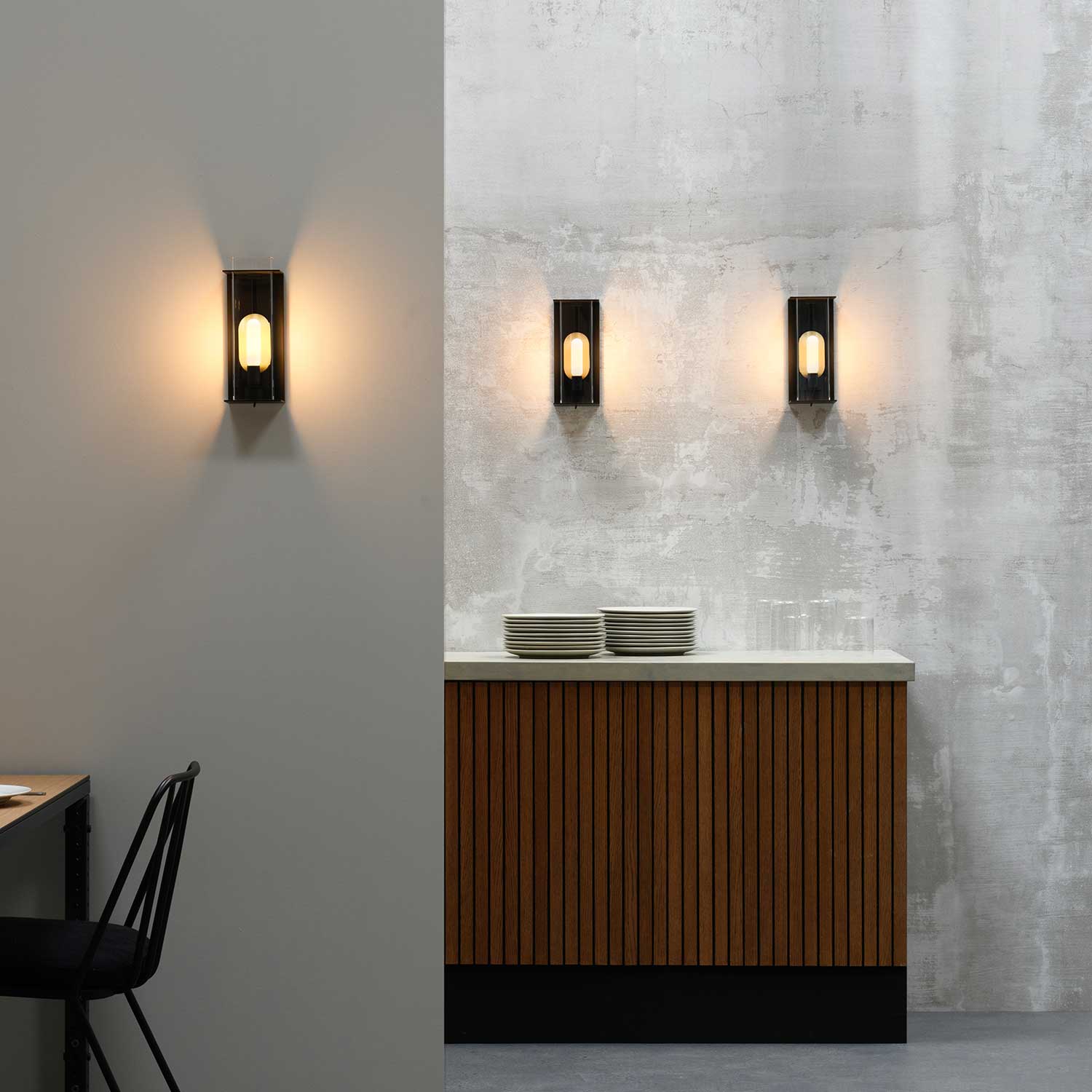
In the industrial world, some brands have successfully revisited iconic models with great historical accuracy. This is notably the case with reissues inspired by the famous Marseille workshop lights, like this vintage-style Marseille wall sconce, which retains the original industrial DNA while incorporating contemporary design.
For a more rustic style, inspired by country houses or old Italian buildings, some ceramic collections perfectly evoke the spirit of the era. A model like the antique-style porcelain ceiling light recreates this warm and authentic atmosphere without the constraints of a truly antique piece.
Fans of traditional wall sconces will also appreciate an antique ceramic and brass wall sconce, which combines artisanal patina with modern safety.
Finally, for a more decorative and romantic ambiance, an antique porcelain chandelier with blue flowers allows you to recapture the aesthetic of interiors from the past while enjoying a new and reliable product.
Reissues thus offer an ideal compromise between vintage charm and contemporary comfort.

How to integrate an antique lighting fixture into a modern interior
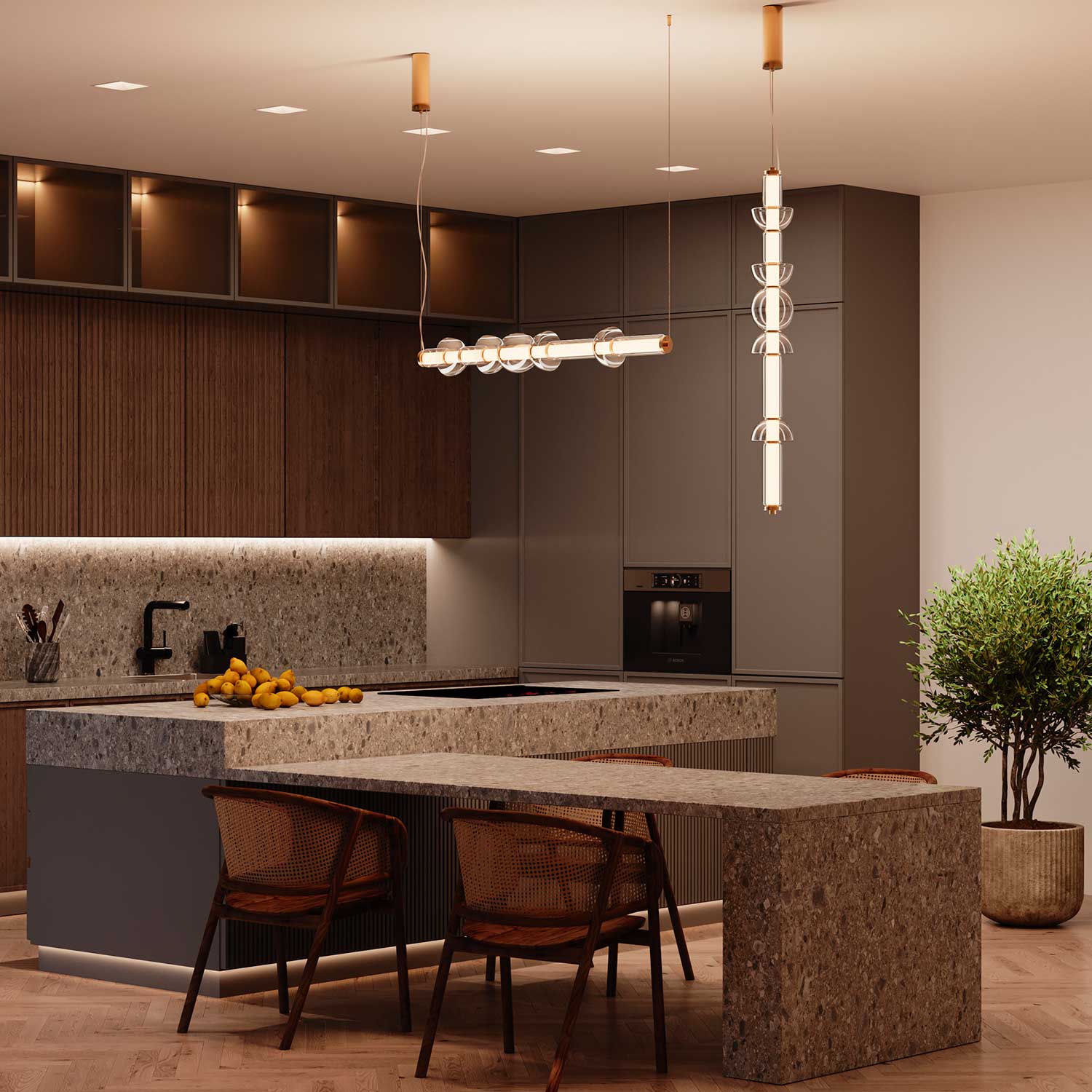
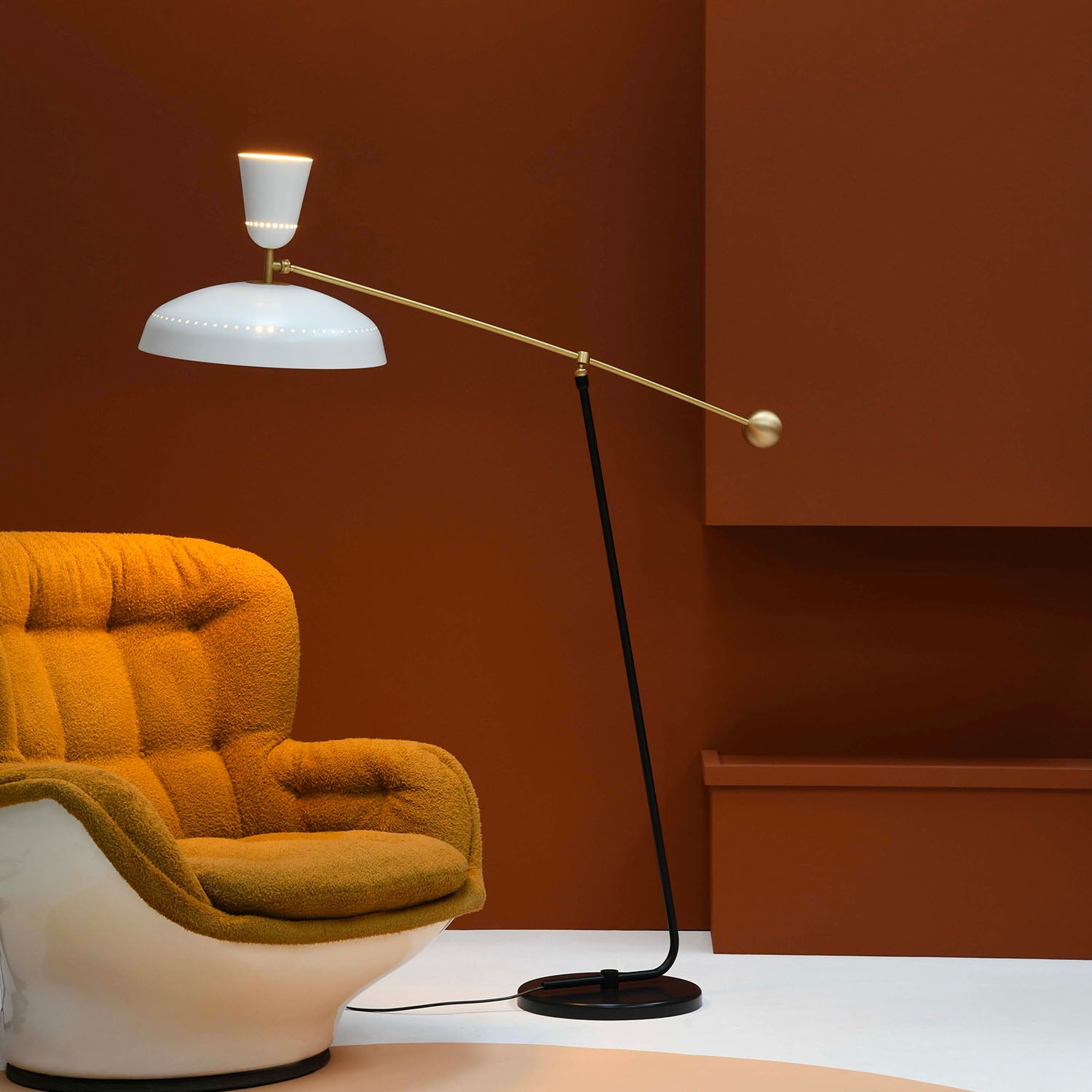
A retro lighting fixture can become a centerpiece in a contemporary décor. The key is to create a balanced contrast. In a minimalist kitchen, an antique pendant brings warmth and depth. In a modern living room, a patinated wall sconce can break the rigidity of straight lines.
It is advisable not to multiply antique pieces in the same space. A single strong lighting fixture is often enough to create the desired effect. The lighting should remain consistent with the room’s volumes and color palette.
The key lies in balance: combining the old and the contemporary to create a lively and timeless atmosphere.
Conclusion
Choosing an antique lighting fixture involves considering aesthetics, safety, and integration into your interior. While period pieces have undeniable charm, reissues today offer a particularly relevant alternative, combining visual authenticity and technical reliability.
Between flea market finds and contemporary reinterpretations, the essential thing is to select a model that fits the soul of your interior and your modern comfort requirements.


Leave a comment
This site is protected by hCaptcha and the hCaptcha Privacy Policy and Terms of Service apply.