
Why a ceiling light alone is not enough to properly illuminate a room
When designing an interior, the first instinct is often to install a ceiling light in the center of the room and consider the lighting done. However, architects and lighting professionals almost always recommend avoiding the use of a single light source alone. A ceiling light alone provides illumination, but it offers neither visual comfort, ambiance, nor highlights the space.
Why do architects advise against relying solely on a ceiling light? Because good indoor lighting relies on several complementary light sources. Increasing the number of fixtures creates a more pleasant, warmer, and better-balanced room. Here’s why a ceiling light is not enough and how to easily improve a room’s lighting.

The mistake of a single ceiling light
Installing a ceiling light in the center of the room seems logical, but this type of lighting often creates light that is too uniform and uncomfortable. The light comes from above, without depth, which can give the impression of a flat and cold space. Shadows are unevenly distributed and some areas remain insufficiently lit.
In a living room, bedroom, or dining room, a ceiling light alone does not create a pleasant atmosphere. The light can be too strong in the evening and insufficient for certain activities. This is why professionals always favor layered lighting, made up of several light sources.
How good lighting works
Good indoor lighting is based on a balance between several types of light. It’s not just about illuminating the room, but also about creating a comfortable atmosphere suited to different times of the day.
Architects generally use three levels of lighting: general lighting, ambient lighting, and task lighting. The ceiling light can serve as the main light, but it must be complemented by other fixtures to achieve a harmonious result.
This principle helps avoid overly dark areas, softens the light, and better highlights volumes. Well-distributed lighting makes a room more pleasant to live in and more attractive.
The different types of light
To understand why a ceiling light is not enough, it’s important to distinguish the different roles of light. General lighting is used to see properly throughout the room. Ambient lighting brings softness and visual comfort. Task lighting allows reading, working, or cooking under good conditions.
A single fixture cannot fulfill all these roles at the same time. That’s why professionals combine several light sources placed at different heights: ceiling, walls, and floor.
This combination creates a more natural and pleasant light, similar to what you find in interiors designed by architects.

Why multiply light sources
Increasing the number of fixtures allows better control of the atmosphere and adapts the lighting according to needs. In the evening, soft light is more comfortable than a powerful ceiling light. For reading or working, a focused lamp is more effective than general lighting.
Lighting with multiple light points also highlights decoration, walls, furniture, or textures. The room feels warmer and more balanced.
This approach is used in almost all interior design projects because it offers more comfort and more ambiance possibilities.
The benefits of wall sconces
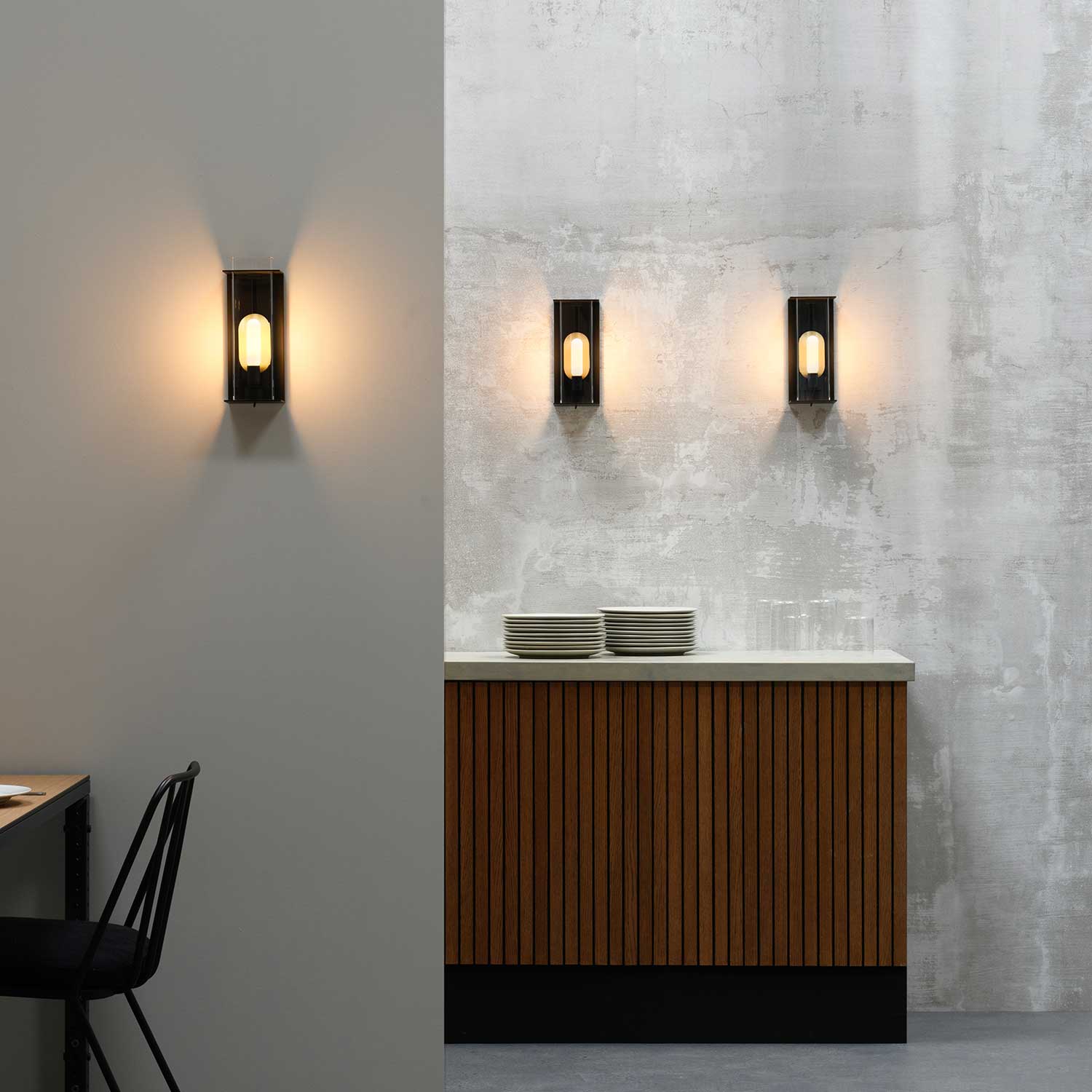
Wall sconces are very useful to complement a ceiling light. They diffuse softer light and illuminate the walls rather than the center of the room. This creates a warmer and more pleasant atmosphere.
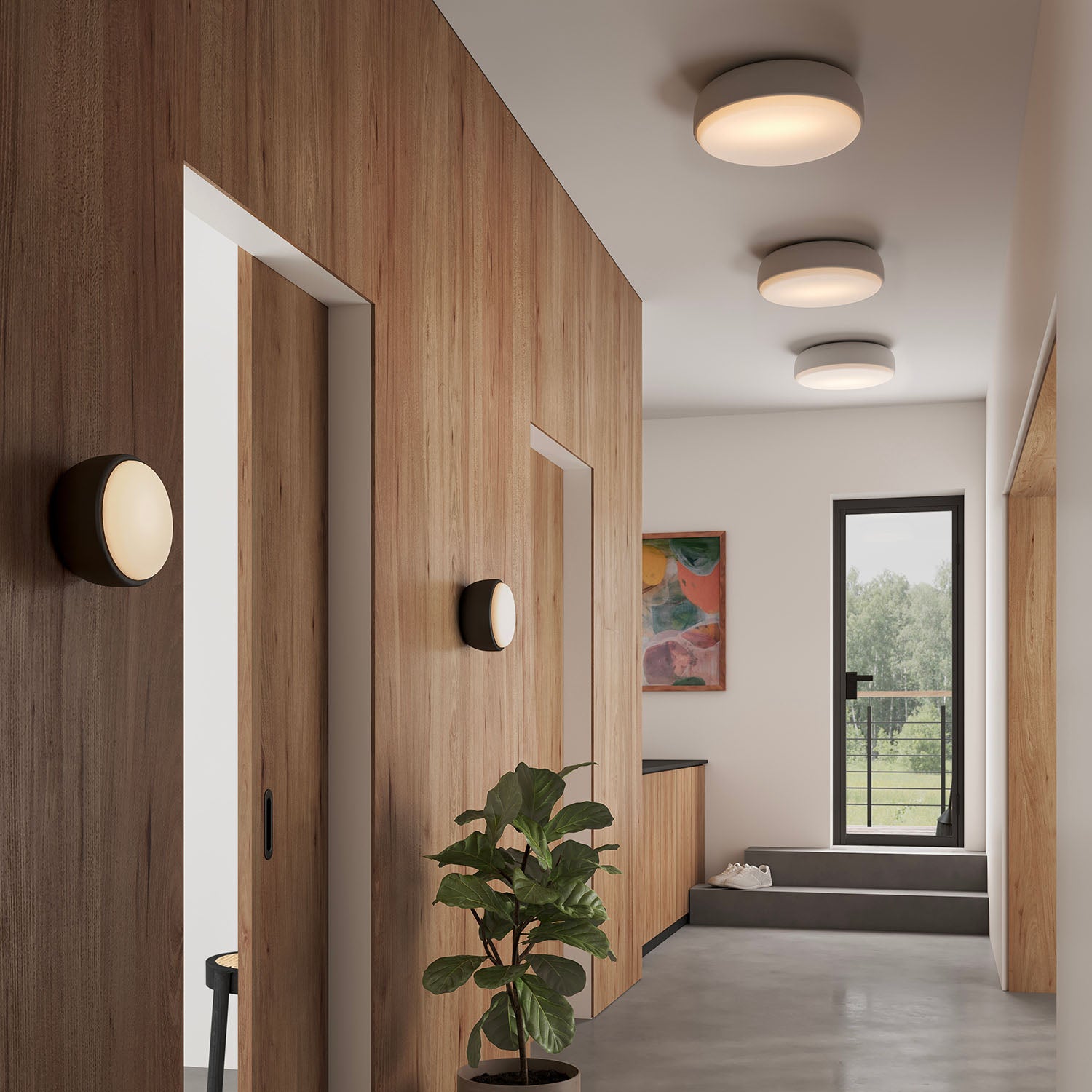
Using wall sconces for indoor lighting also helps distribute light better and avoid shadowy areas. They are especially useful in a living room, bedroom, or hallway.
Placed at the right height, sconces can also highlight a wall, a painting, or a texture like stone or brick.
The benefits of floor lamps
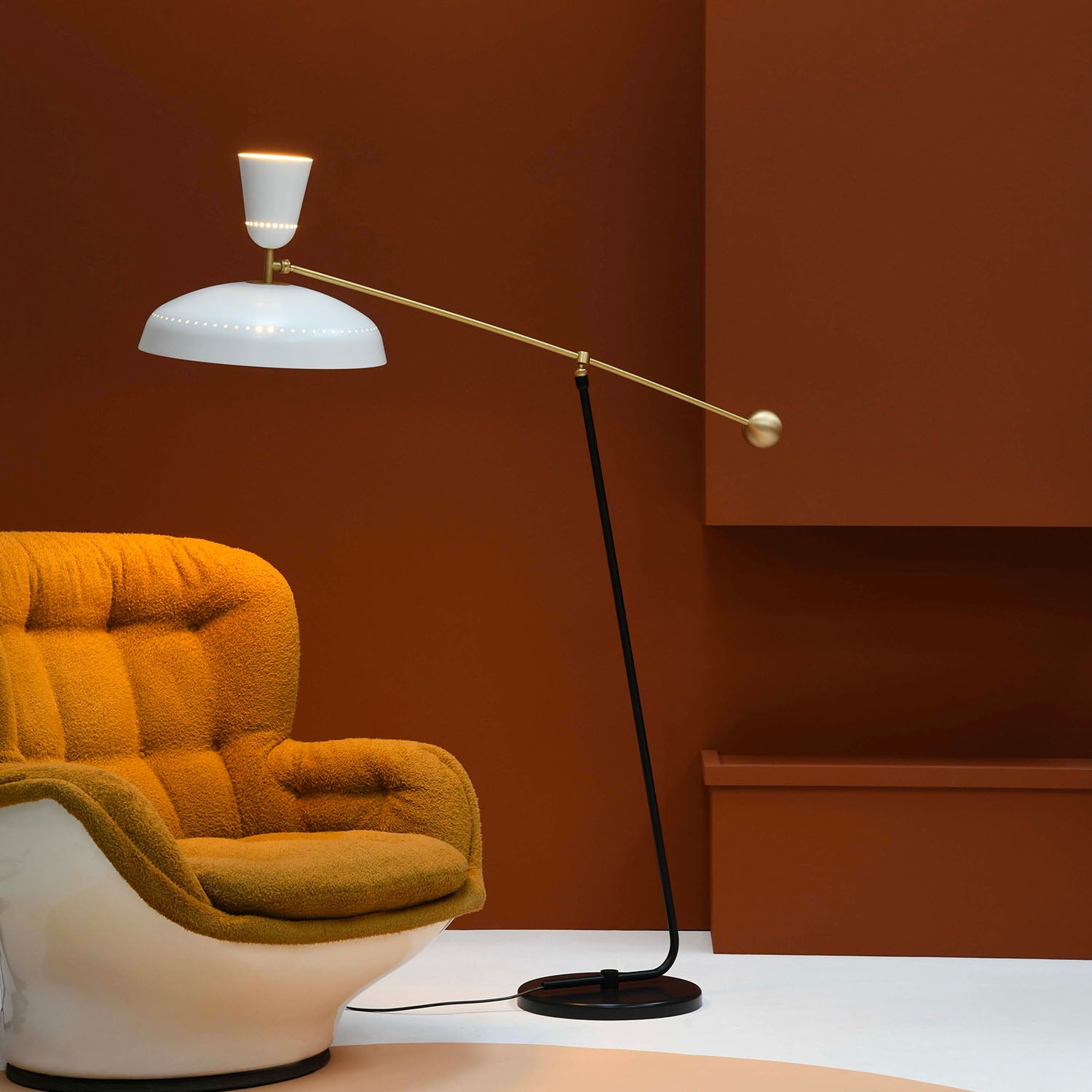
Floor lamps are another solution widely used by architects. They add a light source without changing the electrical installation. Their position on the floor creates softer and more comfortable light than a ceiling light.
Floor lamps for ambient lighting are perfect for a living room or reading corner. They create a warm atmosphere in the evening while maintaining a good level of light.
A floor lamp placed in a corner or near a sofa often suffices to completely transform a room’s ambiance.
Indirect lighting

Indirect lighting is highly appreciated in interior design. It consists of directing light towards a wall or ceiling rather than directly into the room. The result is softer and more comfortable for the eyes.
This type of indirect light reduces contrasts and avoids the harsh effect of a single ceiling light. It can be achieved with sconces, floor lamps, or fixtures aimed at the wall.
Indirect lighting is often used in living rooms, bedrooms, or relaxation areas to create a more soothing atmosphere.
Tips by room
In a living room, it’s recommended to combine a ceiling light, floor lamps, and sconces to achieve adjustable lighting. In a bedroom, a pendant light can be complemented by bedside lamps or sconces for more comfortable lighting.
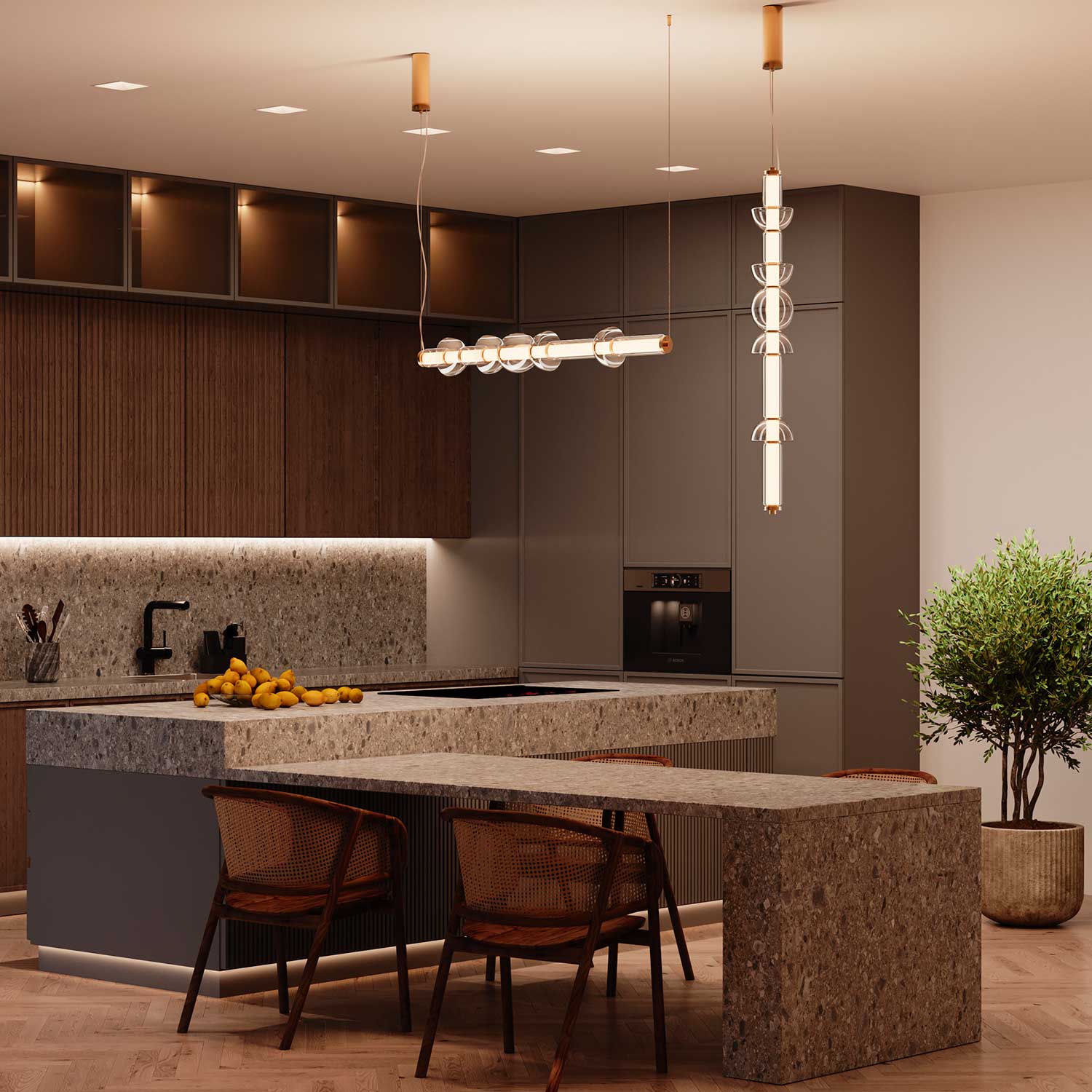
In a kitchen, the ceiling light should be complemented by task lights above the work surfaces. In a hallway, multiple light sources help avoid a dark and uniform effect.
In every room, the principle remains the same: successful indoor lighting always relies on several fixtures placed at different heights.
Conclusion
A ceiling light alone is not enough to properly light a room because it does not create comfortable and balanced light. Architects always recommend multiplying light sources to achieve lighting that is more pleasant, more aesthetic, and more functional.
By combining ceiling lights, sconces, floor lamps, and indirect lighting, it becomes possible to adapt the light to every moment of the day and highlight the interior. Good lighting is not just about seeing clearly: it fully contributes to the ambiance and comfort of a home.



Leave a comment
This site is protected by hCaptcha and the hCaptcha Privacy Policy and Terms of Service apply.