
Black light fixtures: good or bad idea for your interior?
Elegant, graphic, and timeless, black lighting fixtures are taking an increasingly important place in interior decoration. They can be found in contemporary kitchens, minimalist living rooms, hotel-style bedrooms, and industrial interiors. Yet, this color sometimes raises doubts: does a black fixture risk darkening the room? Is it too visually dominant? Or on the contrary, is it an excellent choice to structure a space?
The answer is neither a complete yes nor a complete no. It all depends on the room, the available light, the volumes, and the other materials present. When used well, black designer lighting fixtures can add a lot of character to an interior. Poorly integrated, however, they can weigh down the space. Here’s everything you need to know to decide if it’s a good idea for your home.
- Why black lighting fixtures are so trendy
- The advantages of black lighting fixtures
- The limitations to know
- When it’s a good idea
- When to be more cautious
- How to properly integrate black lighting fixtures
- Which decorative styles they work with
- Conclusion

Why black lighting fixtures are so trendy
Black has this rare ability to immediately structure an interior. Where a white fixture blends more easily into the decor, a black model draws a clear silhouette in the space. It acts almost like an architectural line. This precisely explains its success in contemporary projects: it brings presence without requiring unnecessary ornamentation.
In a bright interior, a black lighting fixture creates a strong contrast that draws the eye and gives rhythm to the room. In a darker environment, it reinforces aesthetic coherence and contributes to a more enveloping atmosphere. This versatility explains why interior architects and decorators often use it.
The advantages of black lighting fixtures
The first advantage is their ability to add depth. A black pendant above a table or a dark floor lamp in a corner helps visually structure a space, especially when the walls and ceiling are light.
The second advantage lies in their timelessness. Unlike some very trendy finishes that date quickly, black remains a safe bet. It adapts just as well to an industrial interior as to a contemporary, minimalist, or even more classic decor depending on the fixture’s shape.
Finally, black pairs very easily with other materials. It works very well with light wood, brass, stone, smoked glass, concrete, or natural textiles. So it’s a color that offers great freedom in composition.

The limitations to know
Despite its qualities, black is not always the simplest choice. In a room that is already dark, with little natural light, dark walls, or a low ceiling, it can accentuate the feeling of heaviness if used poorly. It’s not the color itself that causes the problem, but its relationship to the rest of the space.
You also need to consider the size of the fixture. A large, very present black model in a small room can visually dominate the whole. Conversely, in a large volume, it can become an excellent anchor point.
The choice of bulb also plays an important role. A poor light source can make the fixture less flattering or produce light that is too harsh. To explore this further, you can check out our guide on choosing the right bulb for a lighting fixture, which helps better adapt the light to the desired style.
When it’s a good idea
Black lighting fixtures are particularly interesting in bright rooms, interiors with light walls, or spaces that lack visual structure. In a white or beige living room, a black pendant immediately creates a focal point. In a dining room, it helps frame the space around the table.
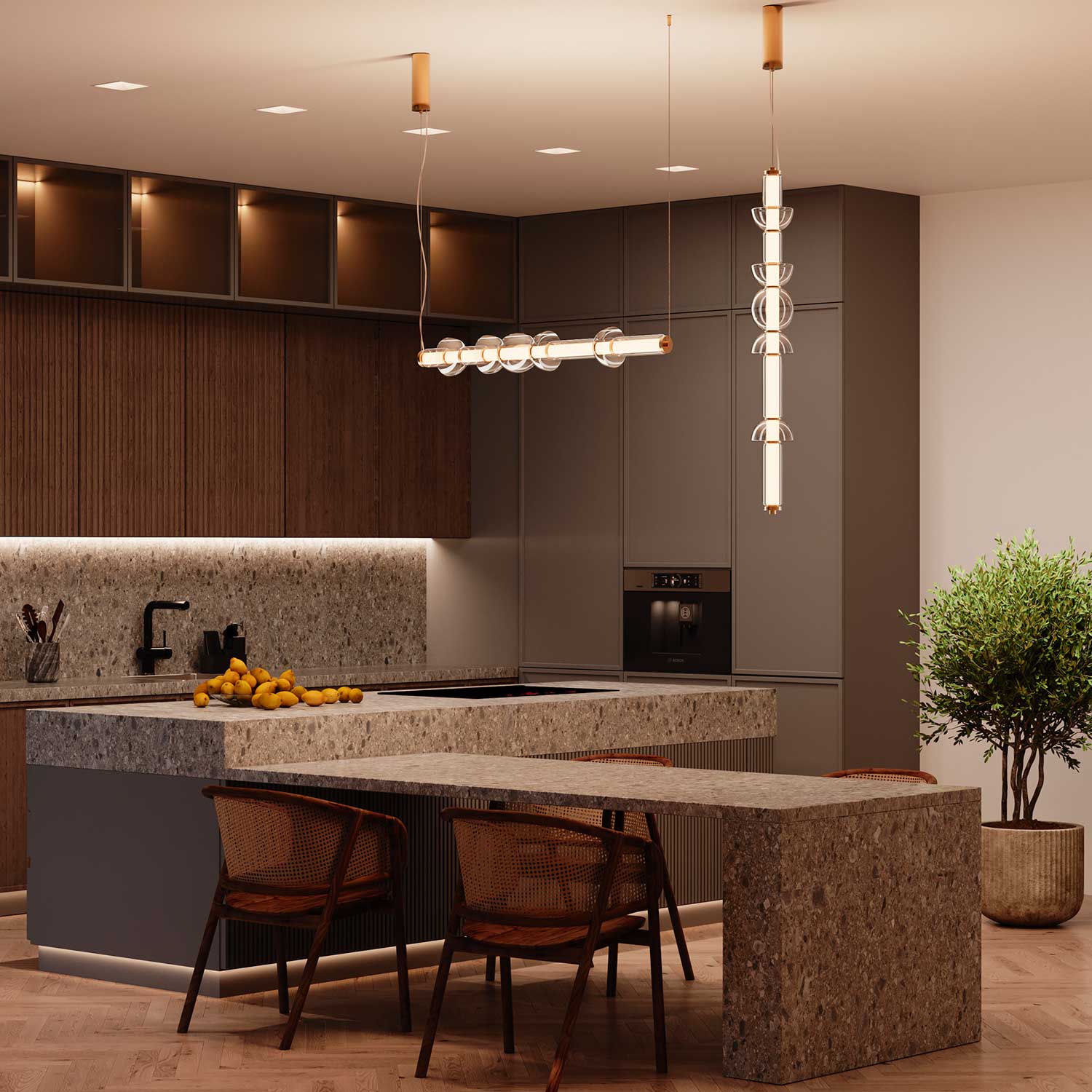
They also work very well in contemporary kitchens, especially when they coordinate with black handles, dark joinery, or a mineral countertop. In this case, the fixture becomes an element of coherence rather than just a functional object.
If you want to explore models suited to this type of use, a selection of black indoor pendants makes it easy to find a size that fits a living room, kitchen, or dining room.

When to be more cautious
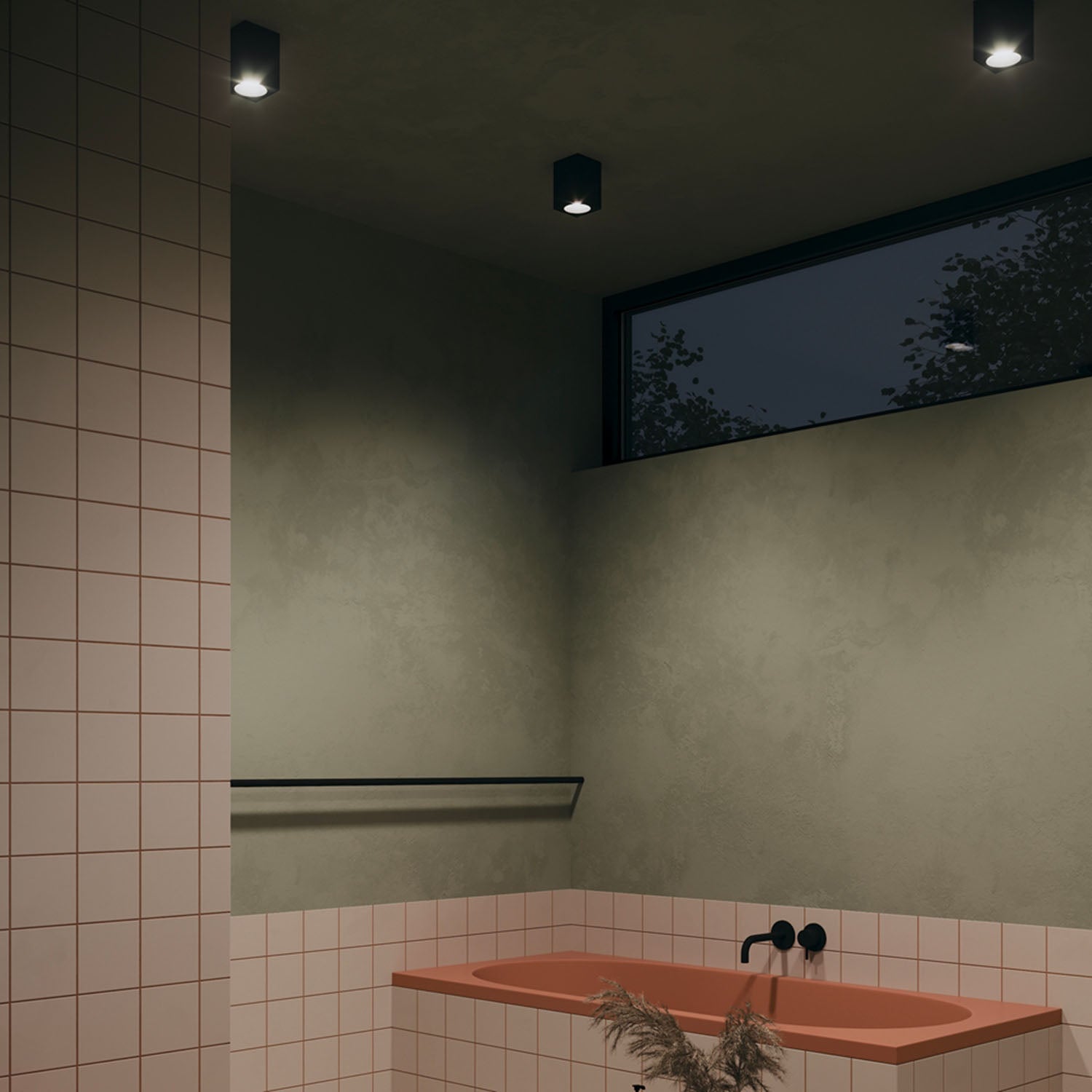
In a narrow room, with a low ceiling or little light, it’s better to use black more subtly. A large dark fixture hung too low can overwhelm the space. In such configurations, it’s often better to choose a slimmer, airier model or opt for another type of lighting fixture.
You also need to be careful about multiplying black elements. If the furniture, joinery, textiles, and lighting fixtures are all very dark, the whole can become visually heavy. Contrast and breathing space remain essential.
How to properly integrate black lighting fixtures
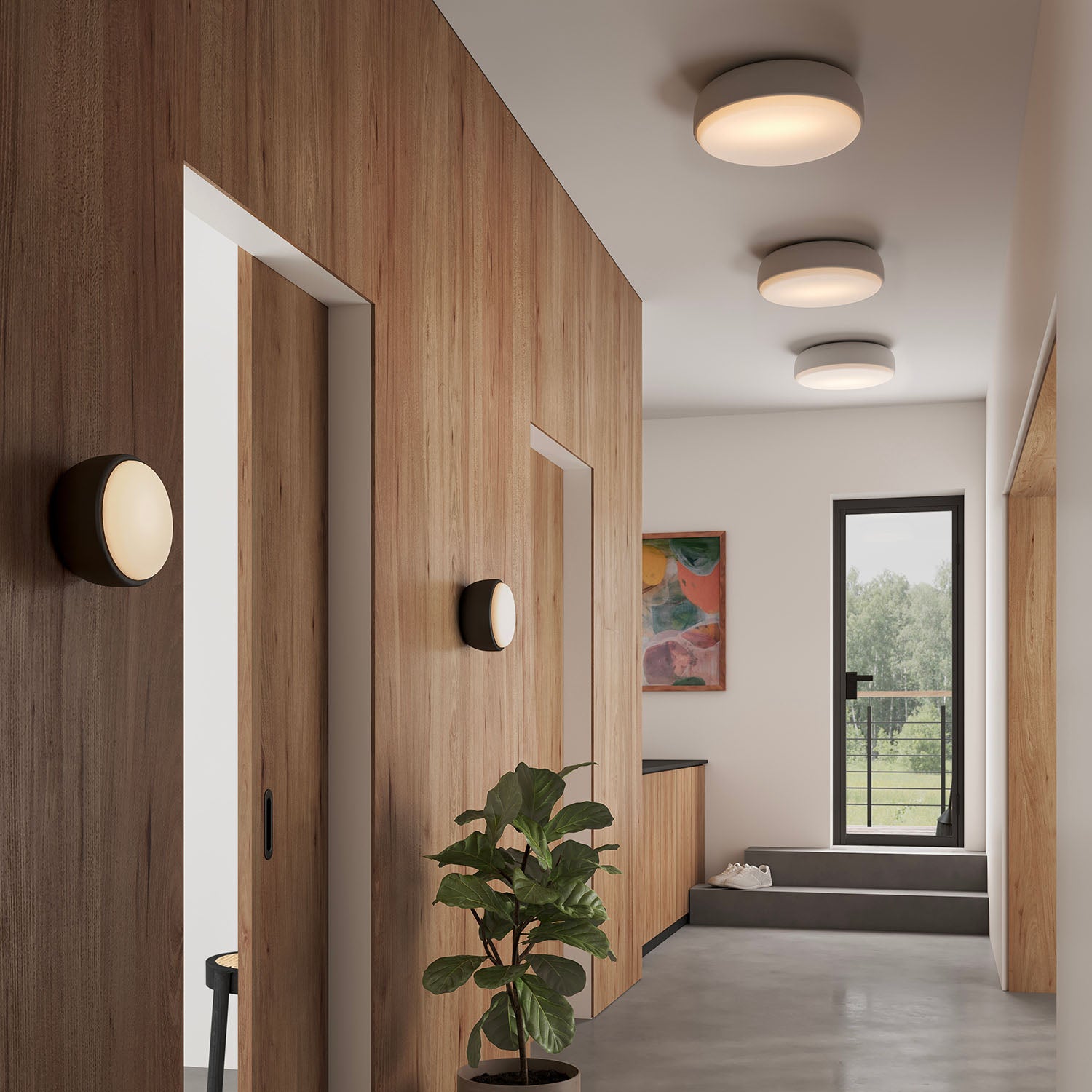
The key is balance. A black fixture works especially well when it corresponds to another dark detail in the room: a frame, chair legs, faucets, handles, or a glass partition. This avoids the “isolated object” effect and strengthens visual coherence.
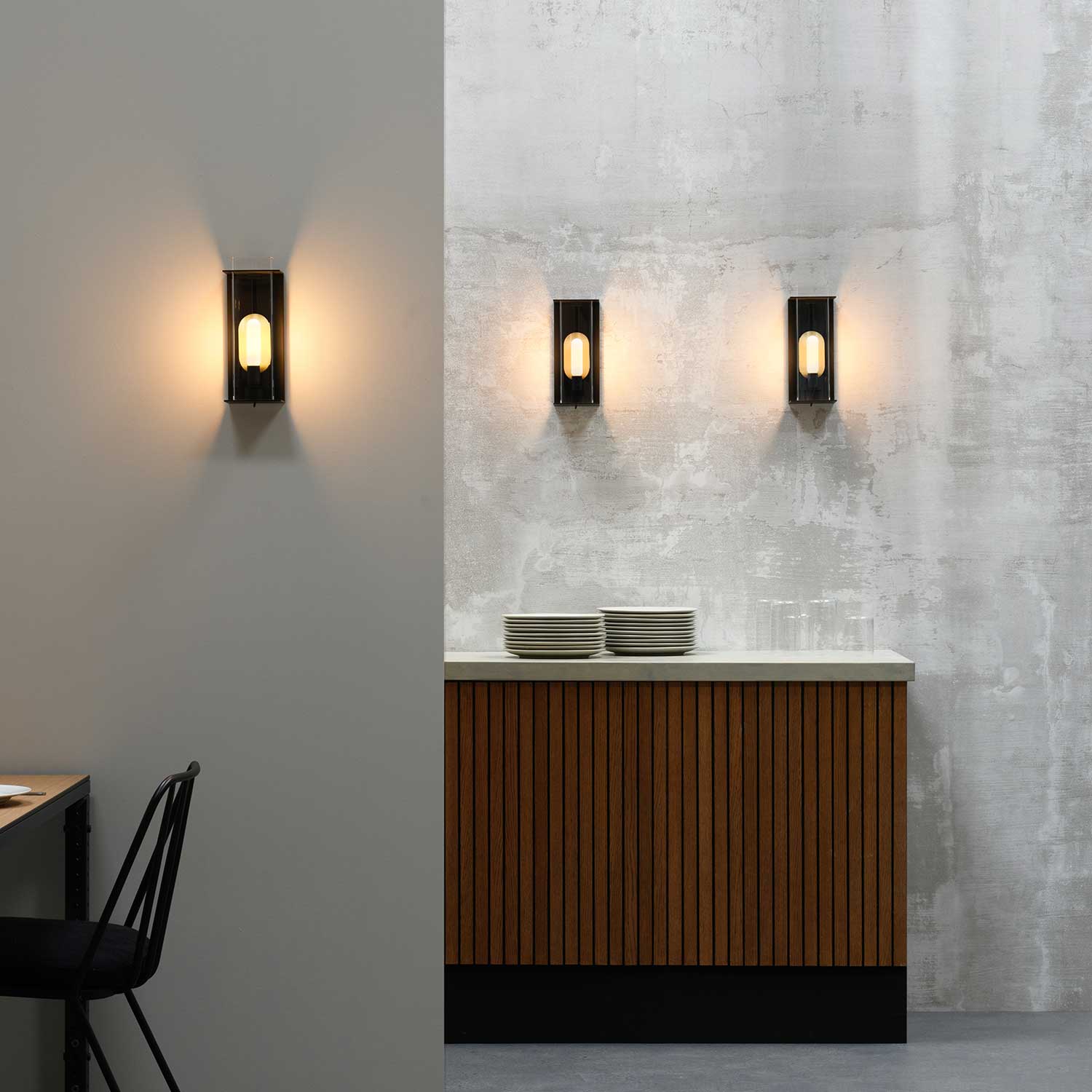
It’s also interesting to vary light heights. A black pendant can be complemented by a softer wall light to avoid all the lighting relying on a single central source. In this logic, some black wall sconces allow you to introduce the color more discreetly while providing very useful complementary lighting.
Finally, the finish of the black matters a lot. A matte black gives a softer, more contemporary look. A satin or textured black can enhance the fixture’s character. Again, it all depends on the desired effect.

Which decorative styles they work with
The industrial style is obviously one of the most natural for black lighting fixtures. They reinforce the workshop spirit and the presence of metal. But it’s not the only one. In a minimalist interior, they help define lines without overloading the space. In a contemporary decor, they bring contrast and a very effective graphic touch.
They can also work in a warmer environment, provided they are paired with natural materials. Light wood, textured linens, beige sand walls, or exposed stone soften their presence and create a balanced result.
In other words, black is not reserved for a particular style. It becomes relevant as soon as it is related to the overall decor.
Conclusion
So, black lighting fixtures: good or bad idea? In most cases, it’s a very good idea, provided they are used with care. They bring contrast, character, and a true decorative presence. But like all visually strong elements, they require a certain balance with the room’s volume, natural light, and other materials.
Well chosen, black lighting fixtures can transform a plain interior into a much more structured and elegant space. So they are not to be avoided, but to be integrated intelligently, always thinking about light as much as style.


Leave a comment
This site is protected by hCaptcha and the hCaptcha Privacy Policy and Terms of Service apply.