
How to light a white wall without making it cold
The white wall is a classic in interior decoration. Bright, timeless, and easy to match, it offers an ideal neutral base. However, poorly lit, it can quickly become cold, impersonal, or even clinical. Many white interiors lack warmth not because of the materials… but because of poorly adapted lighting.
The good news is that this effect is very easy to fix. Color temperature, fixture placement, choice of materials, or visual contrast: several levers can transform a white wall into a warm and aesthetic element. Here’s how to achieve white wall lighting without a cold effect.
Why a white wall can appear cold
White reflects a lot of light. This is an advantage… but also a trap. When lit with light that is too white or too direct, it reflects a uniform and flat brightness. The result is often perceived as cold, even visually harsh.
A poorly lit white wall lacks depth. It becomes flat, without texture, without nuance. This is why some modern interiors seem unwelcoming despite careful decoration.
Lighting mistakes to avoid

The first mistake is using light that is too cold. Bulbs above 4000K produce a very white light, similar to office or hospital lighting. On a white wall, this immediately accentuates the clinical effect.
The second mistake: using only a ceiling light. As seen in other articles, a central light creates uniform lighting but without depth. The wall is lit but not highlighted.
Finally, light that is too direct and frontal flattens volumes and removes all nuance. To achieve warm interior lighting, you need to play with angles and diffusion instead.
The role of color temperature
Color temperature is one of the most important elements. To avoid a cold white wall, it is recommended to use warm light, between 2700K and 3000K. This slightly golden hue immediately softens the appearance.
Warm light breaks the overly neutral effect of white and creates a more comfortable atmosphere. This is especially important in living spaces like the living room or bedroom.
If you want to learn more on this topic, you can check our guide on choosing the bulb for a fixture, which explains how to adapt light for each use.
Why indirect light changes everything
Indirect light is one of the best solutions to light a white wall without making it cold. Unlike direct light, it reflects off the wall or ceiling before diffusing into the room.
This type of indirect light creates a much softer effect, with fewer harsh contrasts. The wall becomes bright but not dazzling.
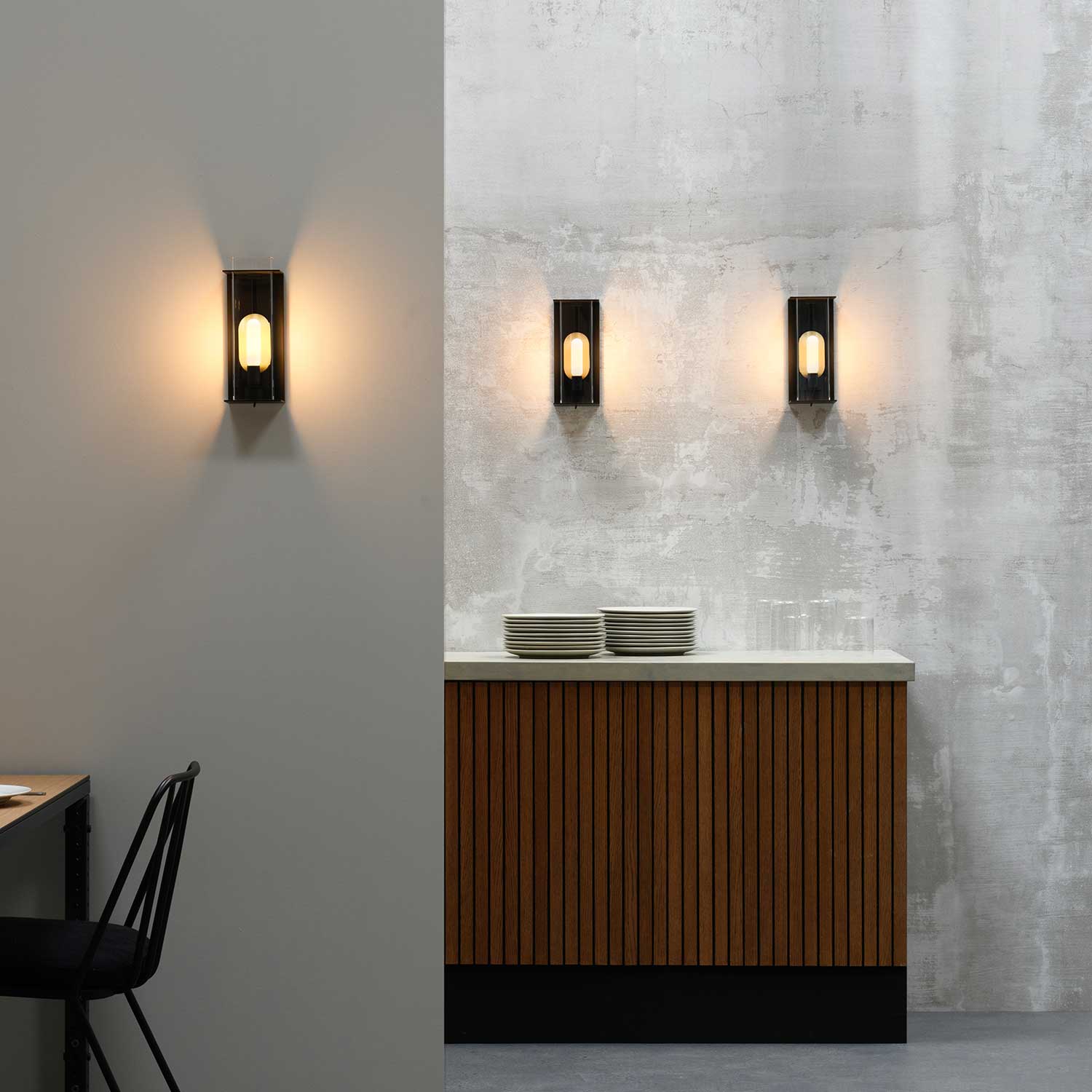
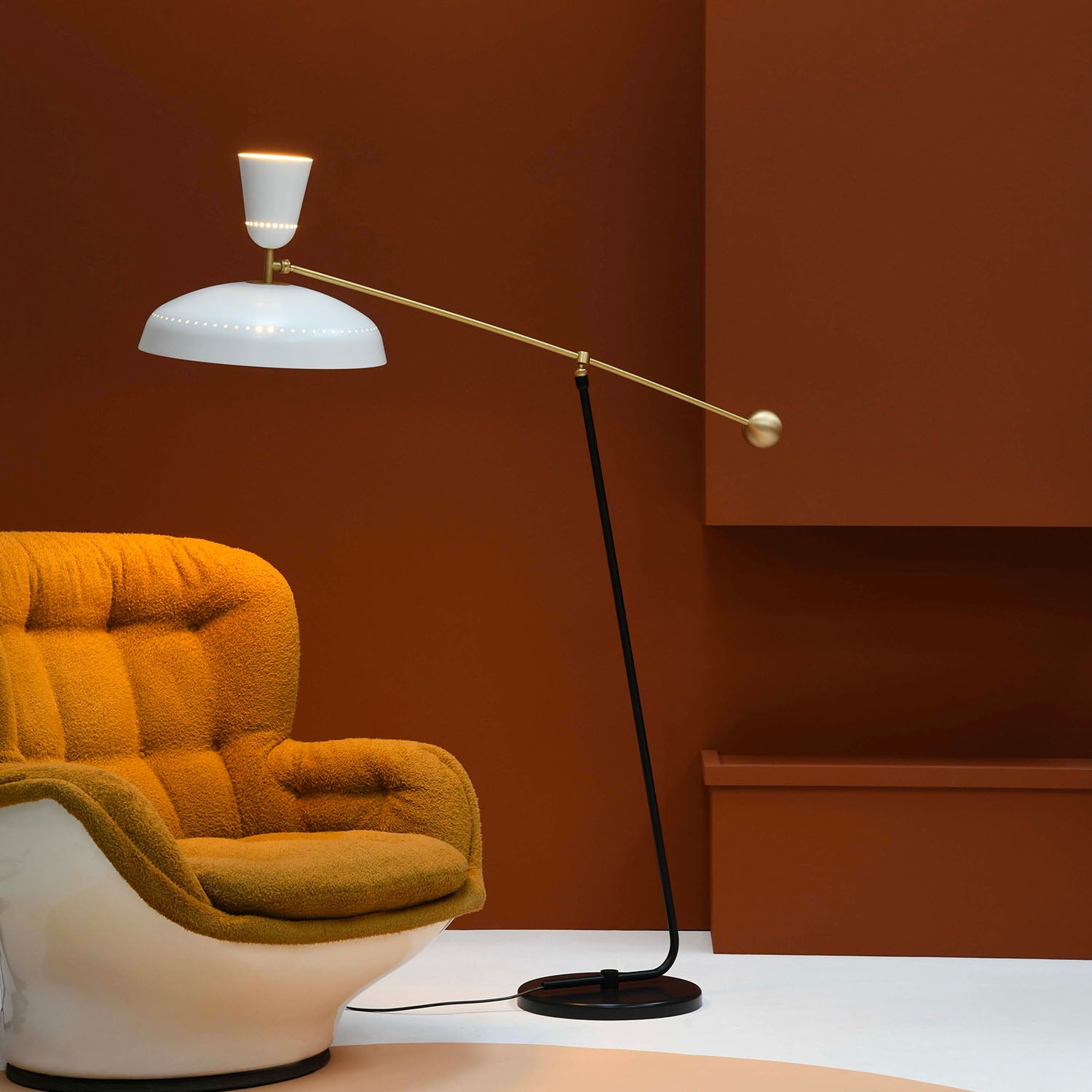
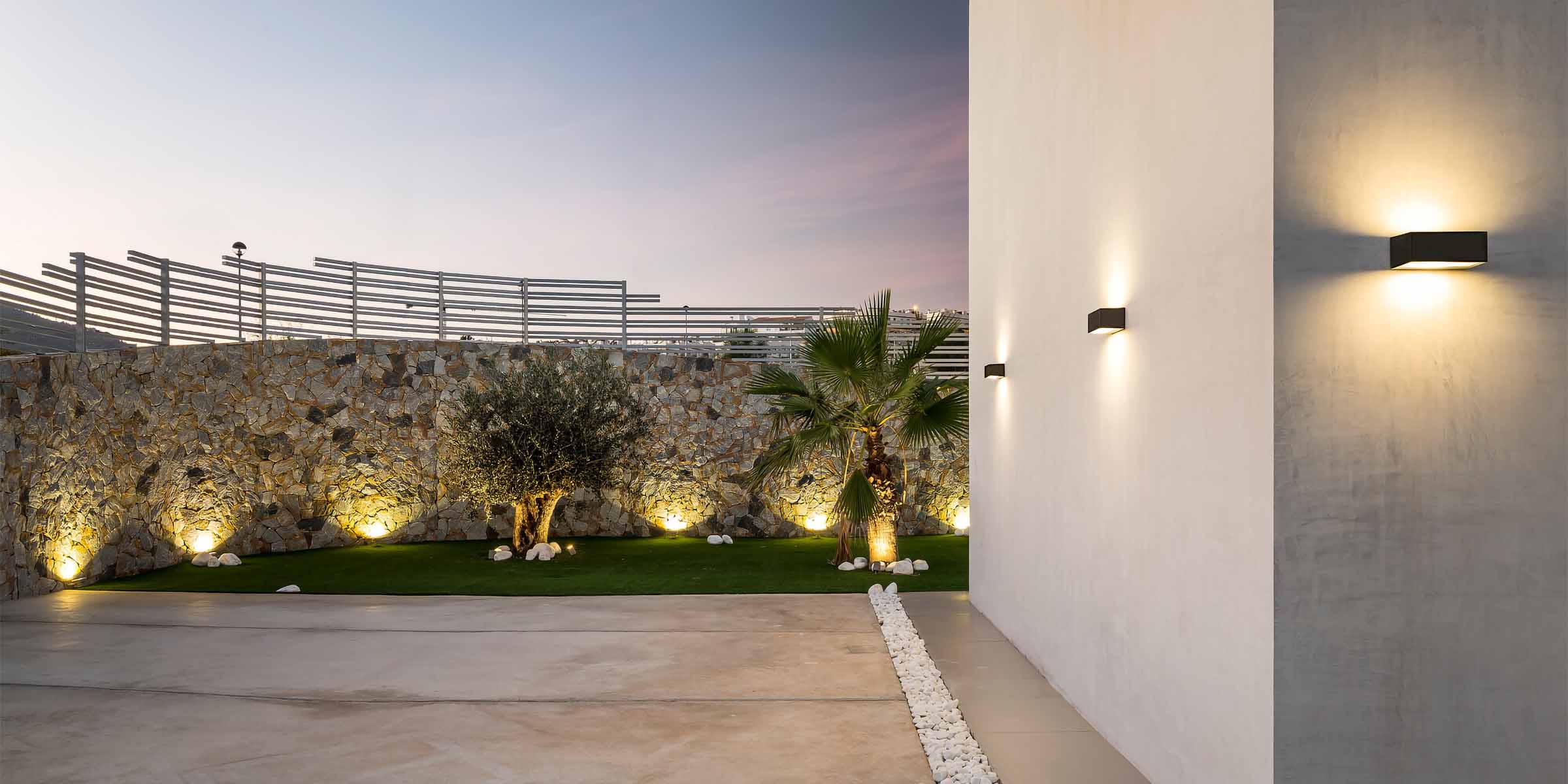
You can achieve this effect with wall sconces, floor lamps directed toward the wall, or fixtures placed high up. The result is immediately warmer.
Create contrast with fixtures

A white wall needs contrast to visually stand out. This is where fixtures play a key role. Using black fixtures creates a very effective graphic break. They draw sharp lines and add character to the space.
A black fixture on a white wall acts as a visual anchor. It prevents the “all white” effect and structures the decoration. If you want to explore this further, you can read our article dedicated to black fixtures in interior decoration.
Colored fixtures are also an excellent option. They bring life and break the uniformity of the wall. Warm tones, ceramic finishes, or natural colors help warm up the whole.
To explore these types of solutions, you can check this selection of colored ceramic fixtures, particularly suited to soften a white interior.
The importance of materials and colors
Beyond light, materials play an essential role. A black metal fixture will give a more graphic look, while a ceramic or fabric fixture will diffuse softer light.
Combining different materials breaks the uniformity of white. Wood, brass, glass, or ceramic add nuances that visually enrich the space.
Good decorative lighting is not only about light but also about how fixtures integrate into the overall room.
Tips by room
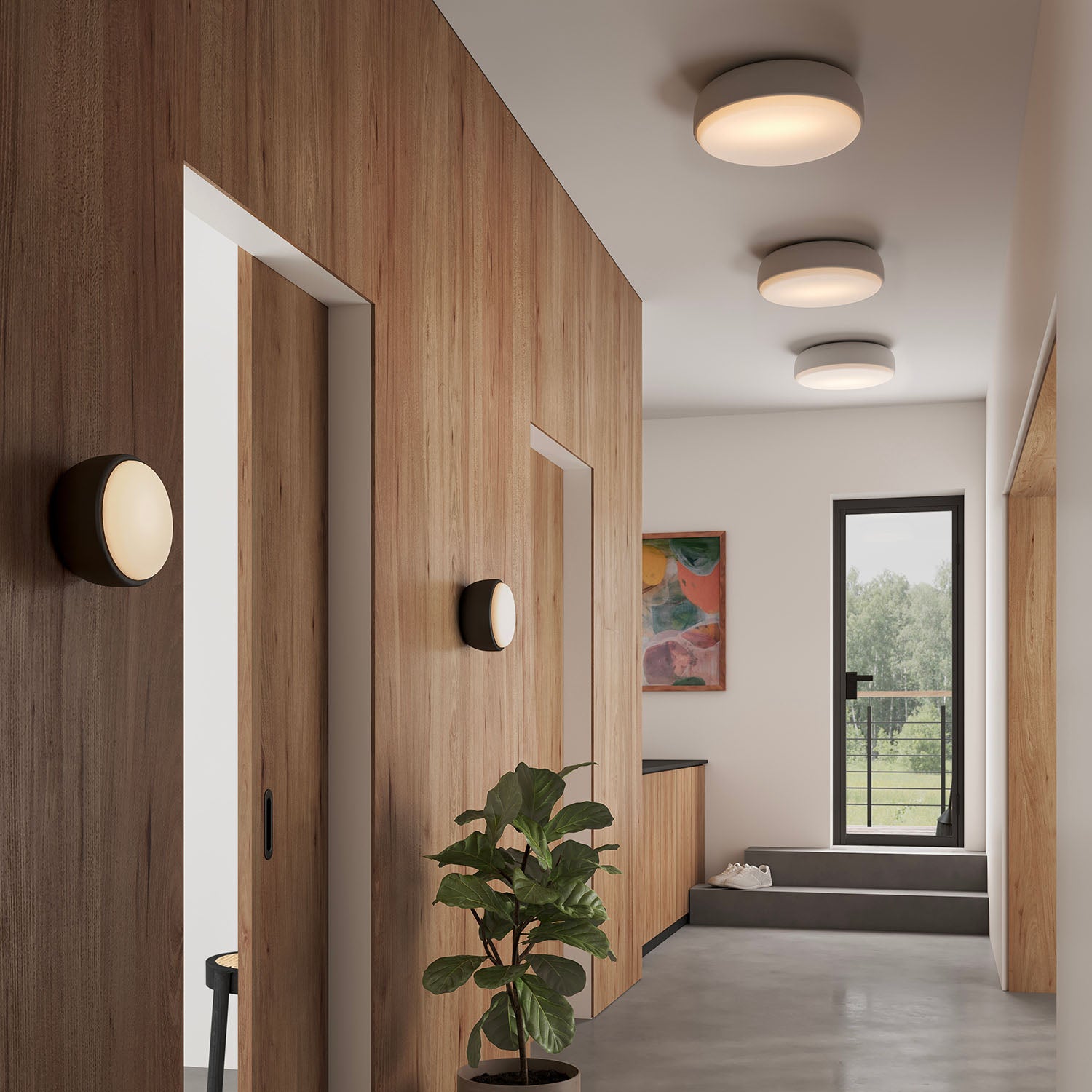
In a hallway, often made up of white walls, it is especially important to avoid light that is too cold. Well-positioned fixtures create rhythm and avoid a monotonous effect.
In this type of space, a selection of hallway fixtures can help structure the light while bringing a warmer atmosphere.
In a living room, it is advisable to multiply light sources: floor lamp, sconce, table lamp. In a bedroom, favor soft and indirect lights for a more soothing effect.
Conclusion
A white wall is not cold by nature, but it can become so with poorly adapted lighting. By choosing warm light, avoiding overly direct sources, and playing with contrast and materials, it is possible to create a warm and elegant atmosphere.
The secret to successful lighting lies in balance: light, colors, materials, and fixture placement. Well thought out, a white wall then becomes a true decorative asset, capable of enhancing an entire interior.


Leave a comment
This site is protected by hCaptcha and the hCaptcha Privacy Policy and Terms of Service apply.