
How to Light a Hotel Room
Lighting in a hotel room plays a crucial role in the guest experience. Unlike a typical interior, it’s not just about illuminating a space but creating an atmosphere that is comfortable, functional, and elegant. Good hotel room lighting should allow for relaxation, reading, easy movement, and full enjoyment of the space.
High-end hotels always use a specific approach: multiplying light sources, playing with heights, and favoring soft light. Here’s how to recreate this balance and achieve hotel lighting worthy of the finest rooms.

Layered lighting
The first rule in hospitality is simple: never settle for a single light source. A single ceiling light creates uniform and uncomfortable lighting. In contrast, multilayer lighting structures the space and adapts the light to different moments.
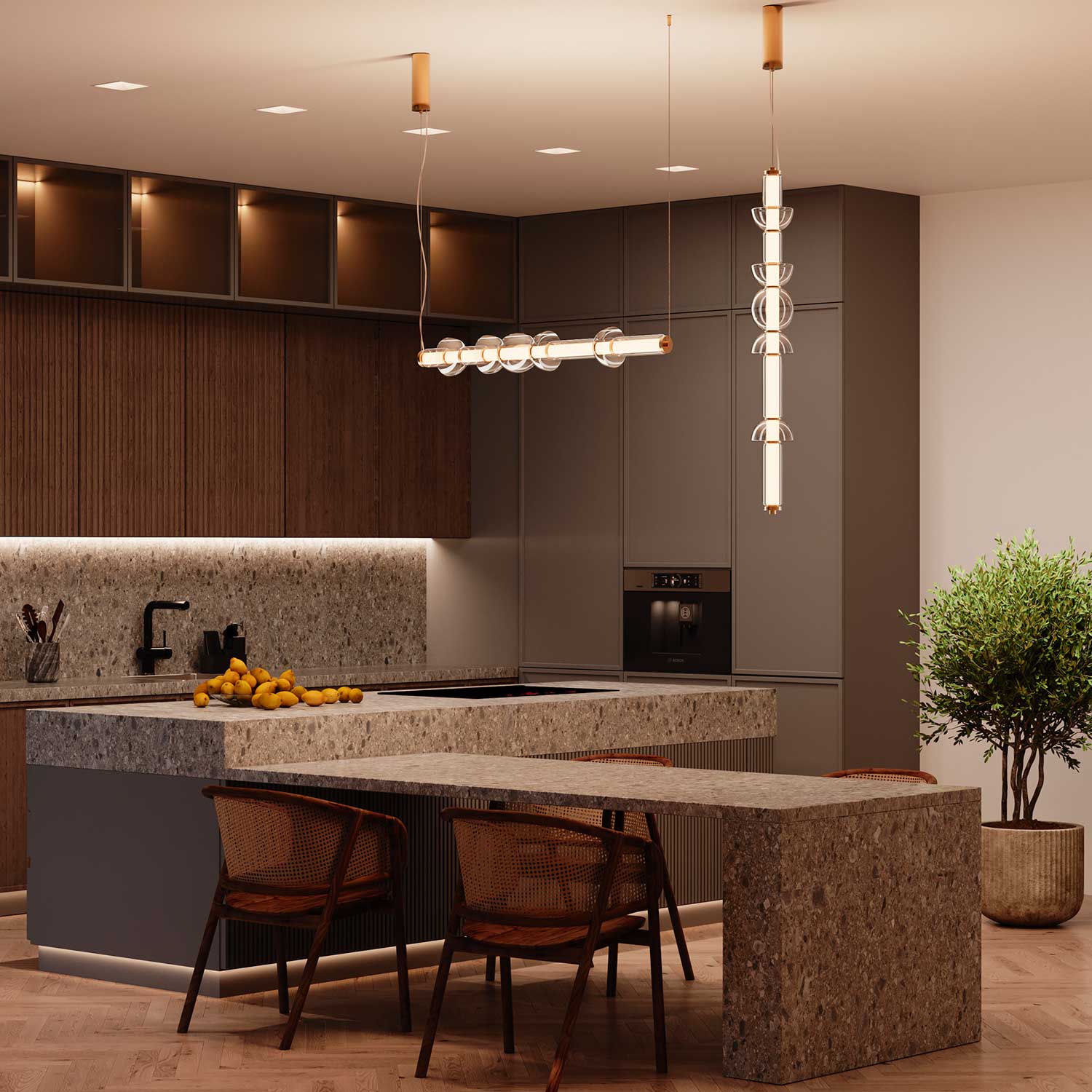
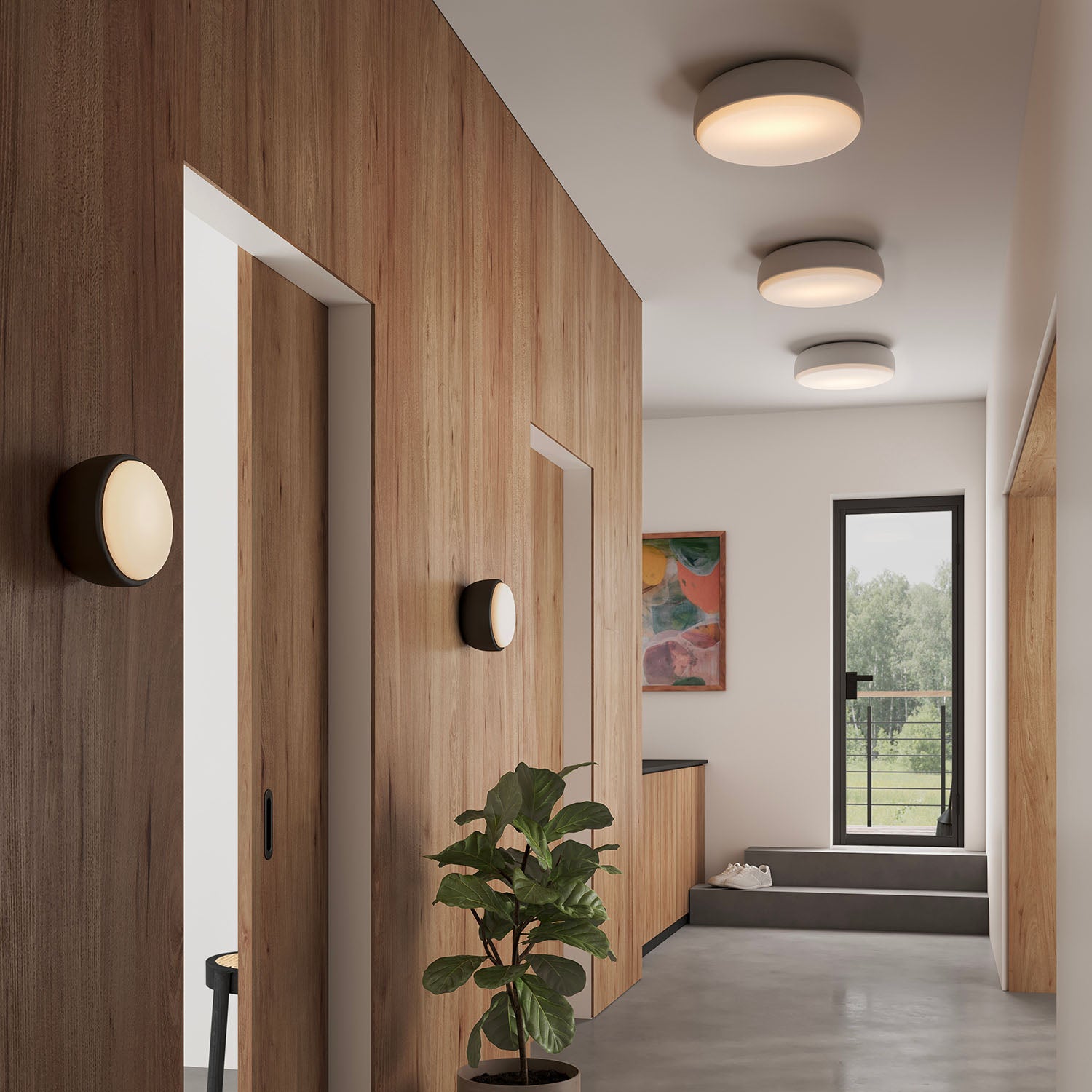
A hotel room generally combines several types of fixtures: pendant lights, wall sconces, bedside lamps, and indirect lighting. This combination creates a richer and more pleasant atmosphere.

The importance of ambient light
In a hotel room, the light must above all be soft. Too bright an atmosphere immediately breaks the cozy effect sought. That’s why hotels favor fixtures that emit indirect and warm light.
Good ambient lighting relies on light sources spread throughout the room, avoiding harsh contrasts and creating a sense of comfort.
Lighting around the bed
Lighting around the bed is one of the most important elements. It should allow reading without disturbing the other person while remaining visually pleasant.
A wall sconce with reading light is typically used in hotel rooms. It combines soft ambient light with directional light for reading. This type of fixture offers optimal comfort and great flexibility.
Wall sconces also free up space on bedside tables, enhancing the clean and high-end look.

Functional lighting
Beyond ambiance, certain areas require more precise lighting: desk, dressing area, or room entrance. This functional lighting must be effective without being harsh.
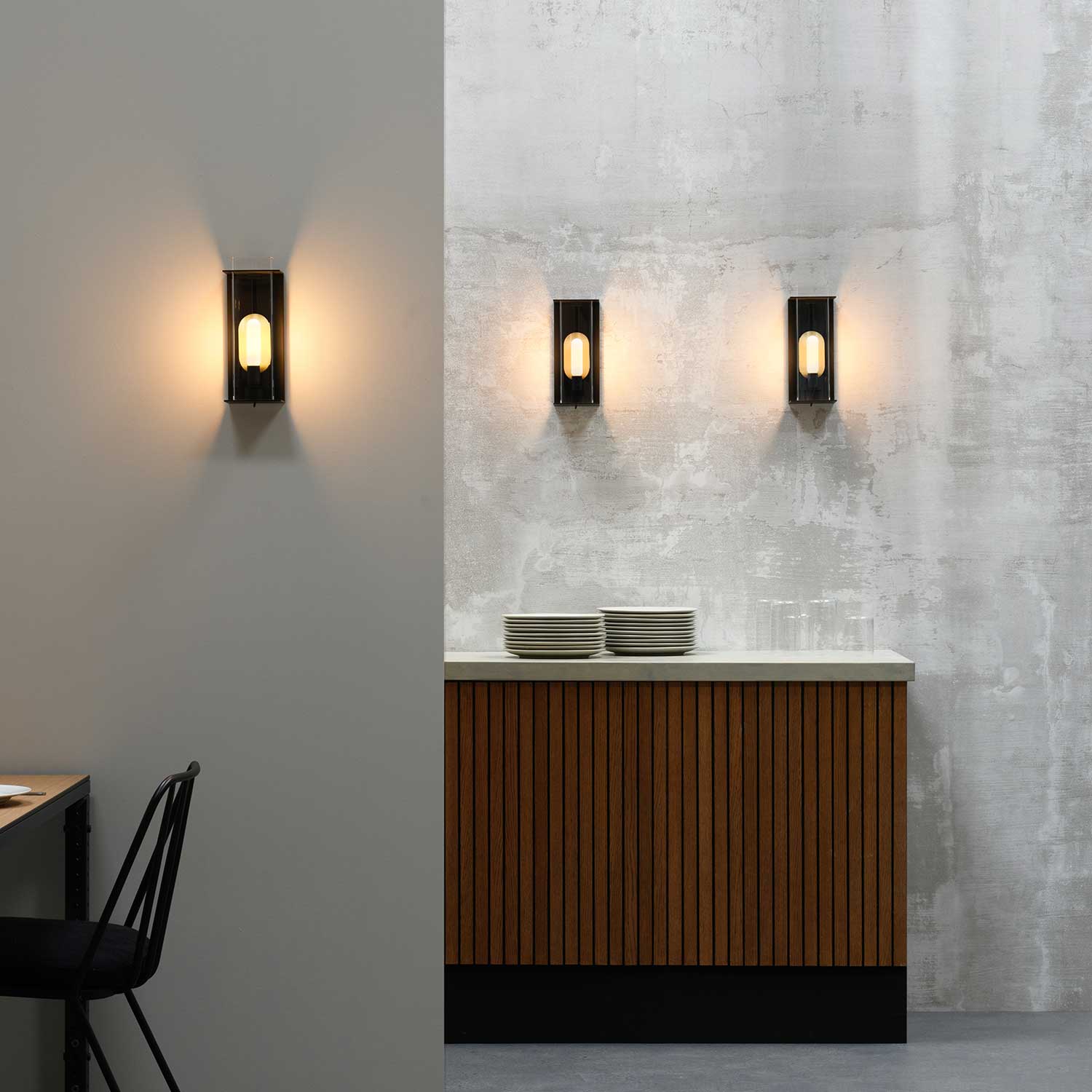
A modern design wall sconce can perfectly fulfill this role. It provides targeted light while remaining elegant and discreet, which fits perfectly with hotel standards.
The goal is to facilitate use without breaking the overall harmony of the room.
The role of indirect lighting
Indirect lighting is one of the secrets of successful hotel rooms. It diffuses soft light without glare by reflecting it off walls or the ceiling.
This type of indirect light is often integrated behind a headboard, along a wall, or within architectural elements. It creates a soothing atmosphere and gives a sense of luxury.
An elegant brass wall sconce can also contribute to this effect by emitting warm light and adding a refined decorative touch.

Ideal color temperature
In hospitality, the color temperature is almost always warm, between 2700K and 3000K. This hue creates a relaxing and comfortable atmosphere.
Too cool a light would give an impersonal feel, close to office lighting. Conversely, warm light enhances the feeling of well-being and relaxation.
Good hotel room lighting should accompany the rhythm of the day and promote rest.
Mistakes to avoid
The first mistake is using only a ceiling light. This results in lighting that is too uniform and unpleasant.
It’s also important to avoid lights that are too strong or poorly directed, which can cause glare. Incorrect color temperature is another common mistake.
Finally, a lack of light sources makes the room less functional and less welcoming.
Conclusion
Good hotel room lighting relies on a subtle balance between ambiance and functionality. By multiplying light sources, favoring soft light, and working with different layers, it’s possible to create a space that is both elegant and comfortable.
Hotels succeed in their lighting because they leave nothing to chance. By applying these principles, you can easily recreate this atmosphere at home and transform a standard room into a truly high-end space.


Leave a comment
This site is protected by hCaptcha and the hCaptcha Privacy Policy and Terms of Service apply.