
How to Succeed in Bar Lighting: Atmosphere, Tips, and Mistakes
Lighting in a bar plays a crucial role in the customer experience. More than just a functional necessity, light contributes to the atmosphere, comfort, and identity of the place. A bar that is too brightly lit can feel cold and impersonal, while lighting that is too dim can make the space impractical. The challenge is therefore to find the right balance between visibility, ambiance, and highlighting the decor.
To achieve bar lighting success, you need to think in zones: the counter, tables, walkways, walls, and waiting areas. Each part should receive appropriate lighting, with controlled intensity and a warm temperature. Here are the principles to follow to create a welcoming, elegant, and perfectly lit bar.

Create a suitable lighting atmosphere
In a bar, the light should never be too uniform. Unlike an office or a highly functional store, a bar relies on a more enveloping atmosphere. The goal is to create distinct light zones, with controlled contrasts and light soft enough to invite guests to stay.
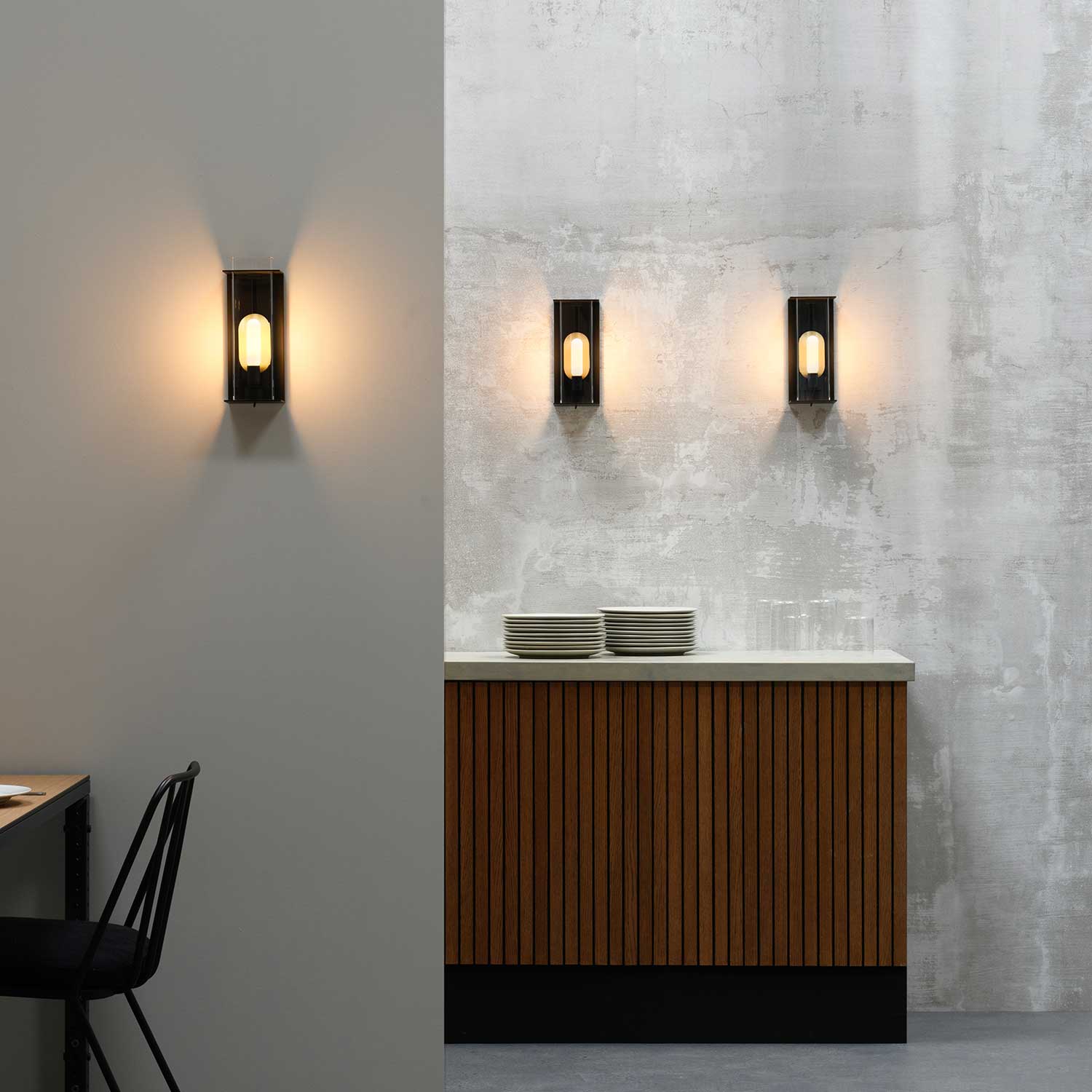
A successful professional bar lighting combines several sources: pendants above the counter, table lamps, wall sconces, and indirect lighting. This layering creates a lively atmosphere without dazzling customers.
Light the bar counter
The counter is often the focal point of a bar. It must be visible, welcoming, and sufficiently lit to allow staff to work comfortably. Pendants are particularly suitable because they create downward lighting and visually structure the space.
An industrial pendant for bar adds character to the counter while maintaining focused light. This type of fixture works very well in loft, workshop, or contemporary style bars.
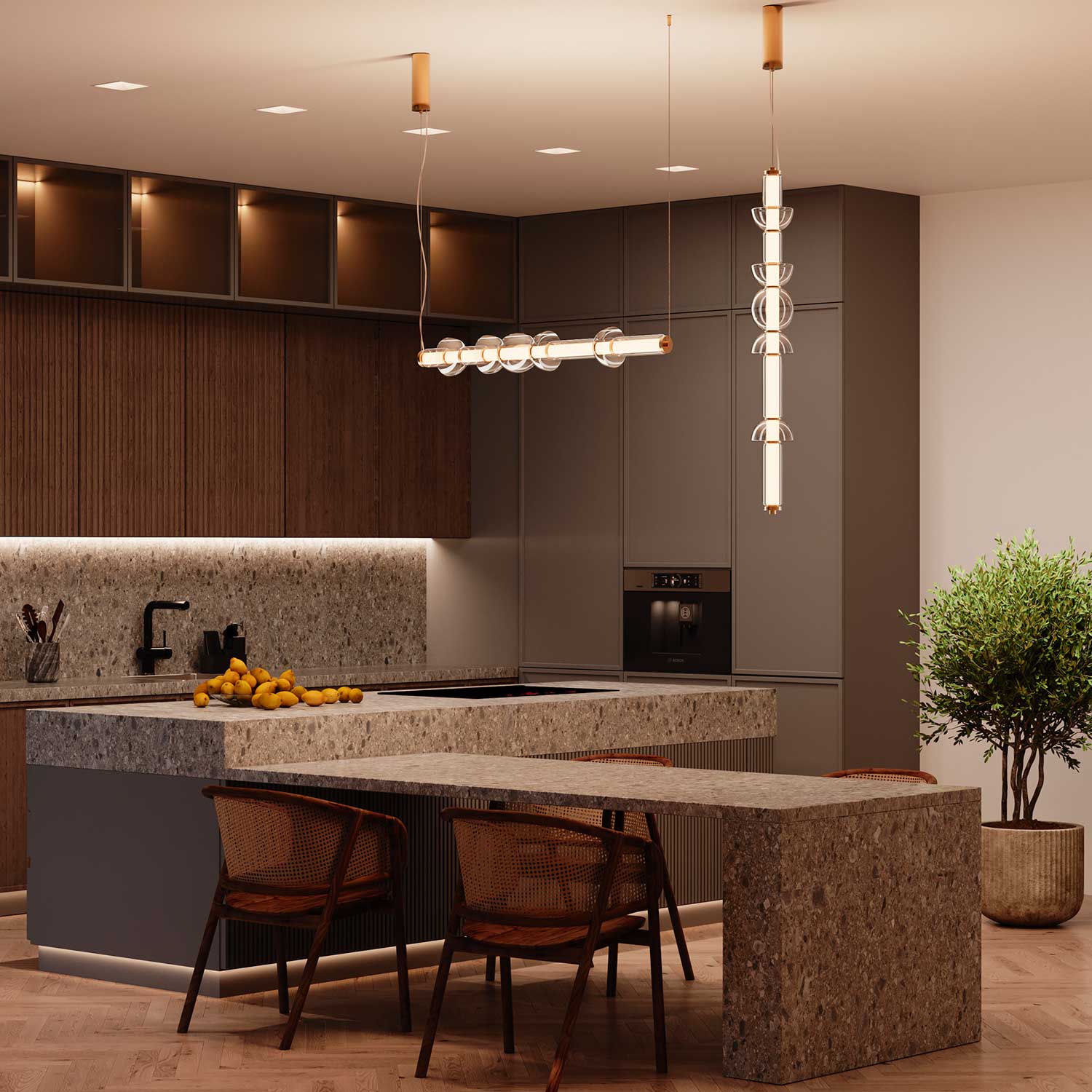
For a more design and sculptural look, a designer pendant for bar counter can create an elegant focal point, especially in upscale venues or hotel bars.

Create intimate lighting at the tables
Tables should have softer lighting than the counter. The goal is to create an intimate atmosphere, pleasant for chatting, having a drink, or extending the evening. Too strong lighting on tables can immediately break the desired mood.
Wireless lamps are particularly interesting in this context. A wireless table lamp for bar allows for soft, mobile light, ideal for tables, booths, or lounge areas.
In a cozier setting, a candle-effect portable lamp can enhance the warm atmosphere while offering a practical, rechargeable, and easy-to-move solution.
Use indirect lighting
Indirect lighting is one of the secrets of the most successful bars. It diffuses soft light without straining the eyes. Placed behind a counter, under shelves, or along a wall, it creates an immersive atmosphere and adds depth to the space.
This type of lighting also highlights certain elements: bottles, wall niches, textured materials, or decorative finishes. In a bar, indirect light should remain subtle. It should not light everything but guide the eye and create an atmosphere.

Choose decorative fixtures
In a bar, lighting fixtures are an integral part of the place’s identity. They must be consistent with the concept: industrial, vintage, minimalist, contemporary, or warmer. A well-chosen decorative bar fixture immediately strengthens the overall atmosphere.
A contemporary pendant for bar can, for example, suit a modern space seeking a strong visual presence without excess. It structures a zone while fully participating in the decor.
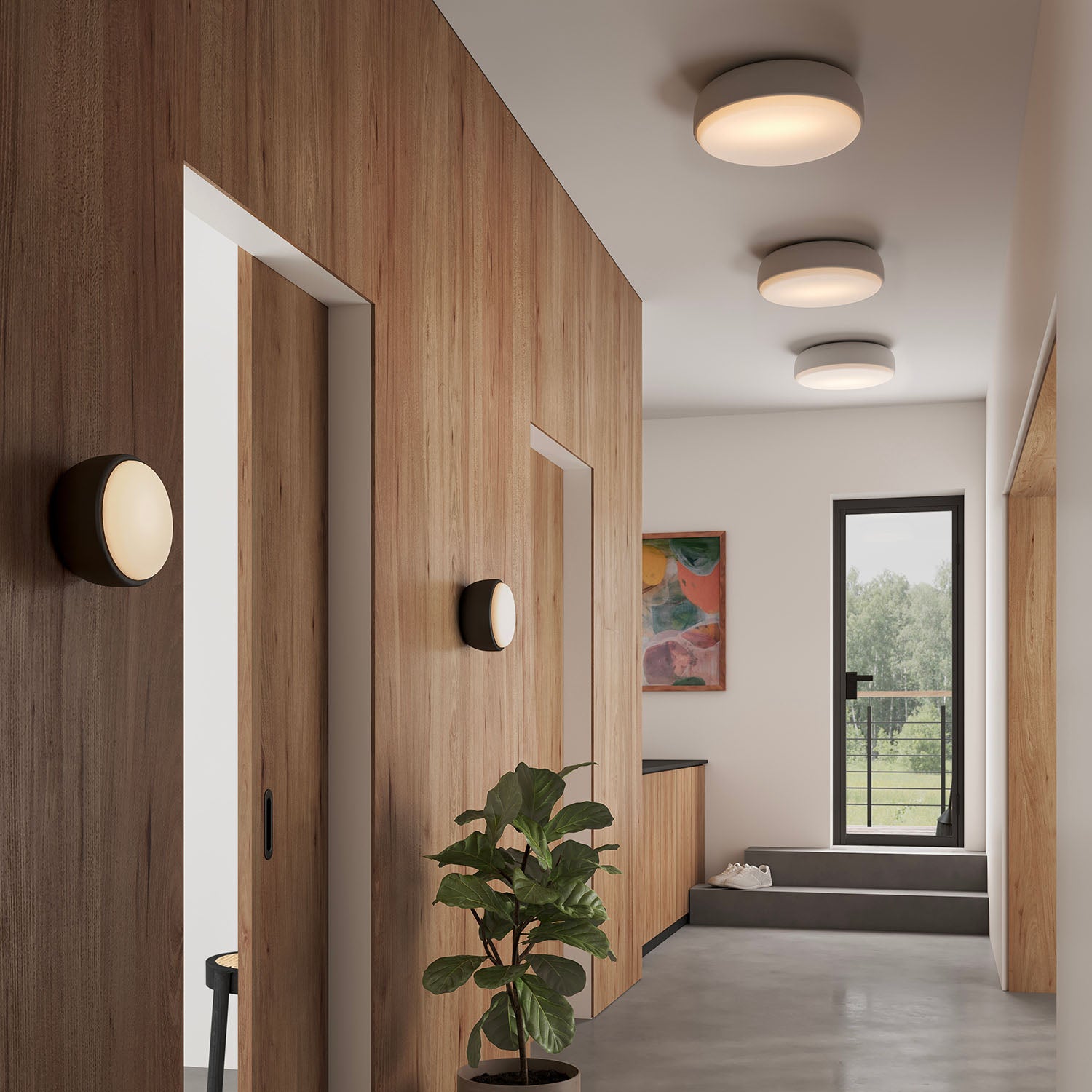
The choice of materials is also important. Metal gives an industrial style, glass brings lightness, while matte finishes create a cozier and more elegant atmosphere.
Choose the right color temperature
Color temperature is crucial in a bar. Too cold a light immediately gives an impersonal effect, unsuitable for a relaxing place. To create a welcoming atmosphere, it is better to opt for warm light, around 2200K to 3000K depending on the desired effect.
Very warm temperature works particularly well for tables and lounge areas, while slightly more neutral light can be used at the counter to maintain good visibility. Good ambient bar lighting therefore relies on a subtle hierarchy of temperatures and intensities.

Mistakes to avoid
The first mistake is over-lighting the space. A bar that is too bright quickly loses its charm and can feel cold, almost commercial. It is better to multiply soft sources than to try to light the entire room uniformly.
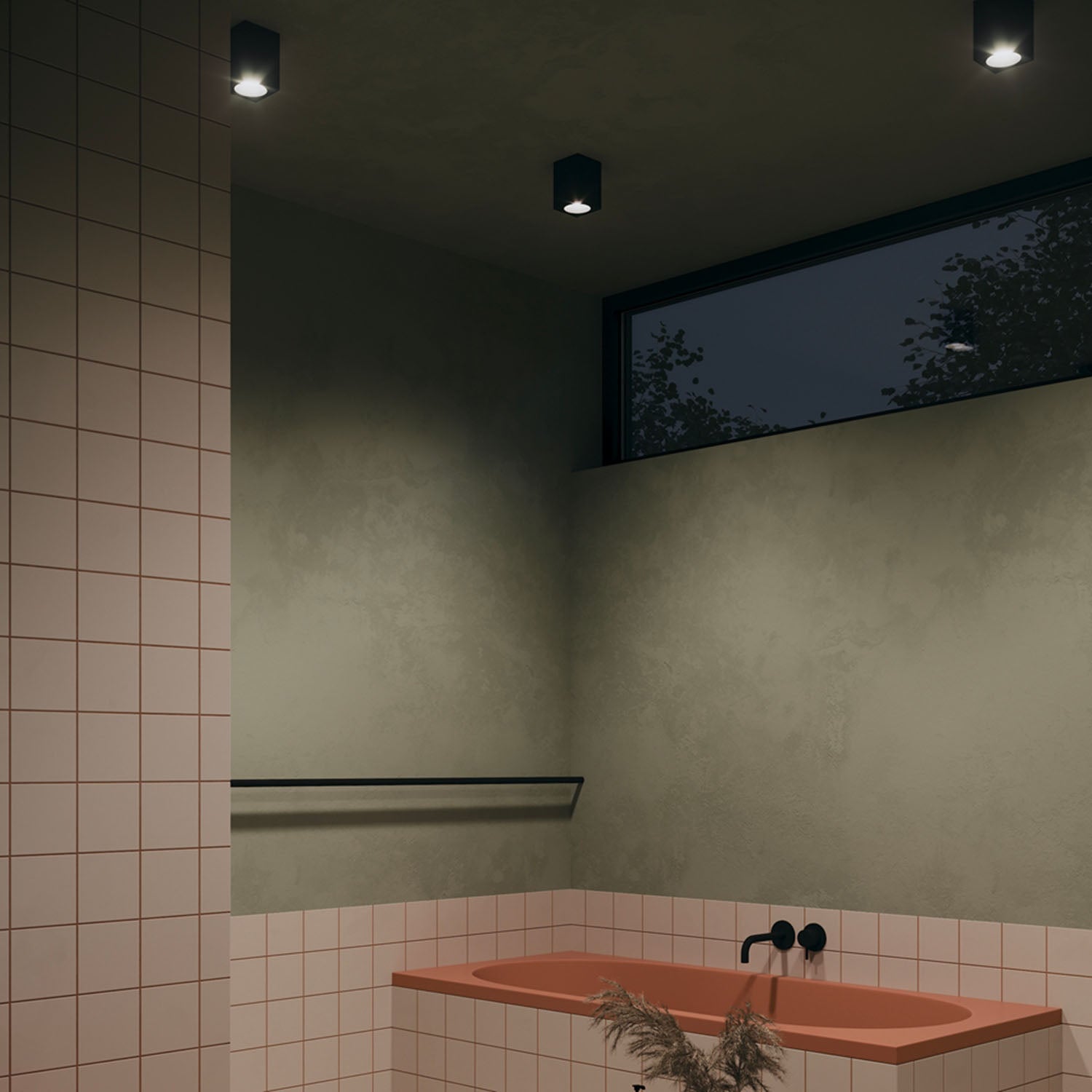
Another common mistake is using light that is too white. It hardens materials, tires the eyes, and harms the atmosphere. It is also important to avoid placing fixtures directly in customers’ line of sight, as this causes glare.
Finally, do not neglect walkways. Even if the atmosphere should remain dim, movement must stay comfortable and safe, especially between tables, the counter, and entrances.
Conclusion
Properly lighting a bar requires real thought about atmosphere, uses, and the place’s identity. The counter must be highlighted, tables should remain intimate, and walkways must be sufficiently clear. Success depends on a balance between functional lighting, indirect light, and decorative fixtures.
A successful bar lighting does not try to light everything uniformly. It creates zones, contrasts, and an atmosphere. By combining pendants, portable lamps, and indirect light, it becomes possible to transform a simple space into a true lighting experience.


Leave a comment
This site is protected by hCaptcha and the hCaptcha Privacy Policy and Terms of Service apply.