
How to Conduct a Professional Lighting Study? Method, Common Mistakes, and Concrete Examples
Conducting a lighting study is not just about choosing a few luminaires on a plan. In a professional project, light influences visual comfort, atmosphere, perception of volumes, highlighting of materials, safety, and customer experience. A restaurant, a hotel, a shop, an office, or a reception area do not have the same lighting needs: each zone must be designed according to its actual use.
A professional lighting study allows you to define the right light levels, position light points, avoid shadow areas, limit glare, and select luminaires consistent with the project. It also helps avoid costly mistakes: too much light, too little light, the wrong color temperature, poorly placed luminaires, or an atmosphere that does not match the identity of the place.
In this article, we explain how to conduct a lighting study in a structured way, with a practical approach adapted to architects, decorators, restaurateurs, hoteliers, shopkeepers, and professionals who want to anticipate their project before choosing their luminaires.
Summary
- A lighting study does not start with the choice of luminaires
- Information to gather before starting a lighting study
- Analyze the actual use of each zone
- Defining the expected illumination levels
- Choosing the right color temperature
- Work on color rendering
- Position the light points on the plan
- Anticipating glare and shadows
- Choosing the right luminaires for the project
- Concrete case: designing the lighting for an 80 m² restaurant
- Concrete case: adapting the lighting study to an office
- Common mistakes in a lighting study
- Should software be used to conduct a lighting study?
- How to move from the study to the final choice of fixtures?
- Why get support for a professional lighting study?
- Conclusion: a good lighting study allows for just the right lighting

A lighting study does not start with the choice of luminaires
One of the most common mistakes is choosing luminaires too early. A designer pendant, a designer wall light, or a technical spotlight can perfectly suit a project, but only if their lighting role has been defined beforehand. Before selecting a model, you need to understand what you want to illuminate, why, at what intensity, and in what atmosphere.
The right approach is to start from the place and its uses. A restaurant table, a reception counter, a work desk, a display window, a corridor, or a hotel room do not require the same lighting. The study should therefore begin with an analysis of needs, and only then with the choice of luminaires.
In a professional project, lighting must meet three complementary objectives: enable good visibility, create a coherent atmosphere, and enhance the space. Successful lighting is not always immediately noticeable, but it contributes to the overall quality of the place. Conversely, poor lighting is quickly felt: fatigue, dark areas, annoying reflections, cold ambiance, or lack of highlighting.
Information to gather before starting a lighting study

Before working on the lighting plan, it is necessary to gather several elements. This preparatory step helps avoid approximations and build a coherent recommendation.
The first useful document is the floor plan, ideally to scale. It helps identify dimensions, ceiling heights, circulation paths, openings, partitions, technical zones, and existing electrical locations. In a renovation, it is also important to know which light points are already available and which can be moved.
Next, the use of each zone must be specified. In a restaurant, for example, the dining room, bar, restrooms, kitchen, entrance, and circulation areas have very different needs. In an office, workstations, meeting rooms, hallways, break areas, and reception must be distinguished. This zone-by-zone analysis is essential to avoid uniform lighting, which is often uncomfortable and unflattering.
Materials and colors must also be taken into account. A white wall reflects more light than a dark wall. A light floor, a wooden table, a glossy work surface, or a dark ceiling can strongly affect the perception of light. A thorough study therefore goes beyond bulb wattages: it considers how light will be absorbed, reflected, or diffused by the space.
Finally, the desired atmosphere must be defined. A high-end hotel, a decor shop, a medical office, an intimate restaurant, or a contemporary open space should not create the same feeling. The lighting must support the identity of the place, not just illuminate it.
Analyze the actual use of each zone
The first concrete step in a lighting study is to divide the project into functional zones. Each zone must be studied according to its main use, level of traffic, visibility needs, and role in the overall experience.
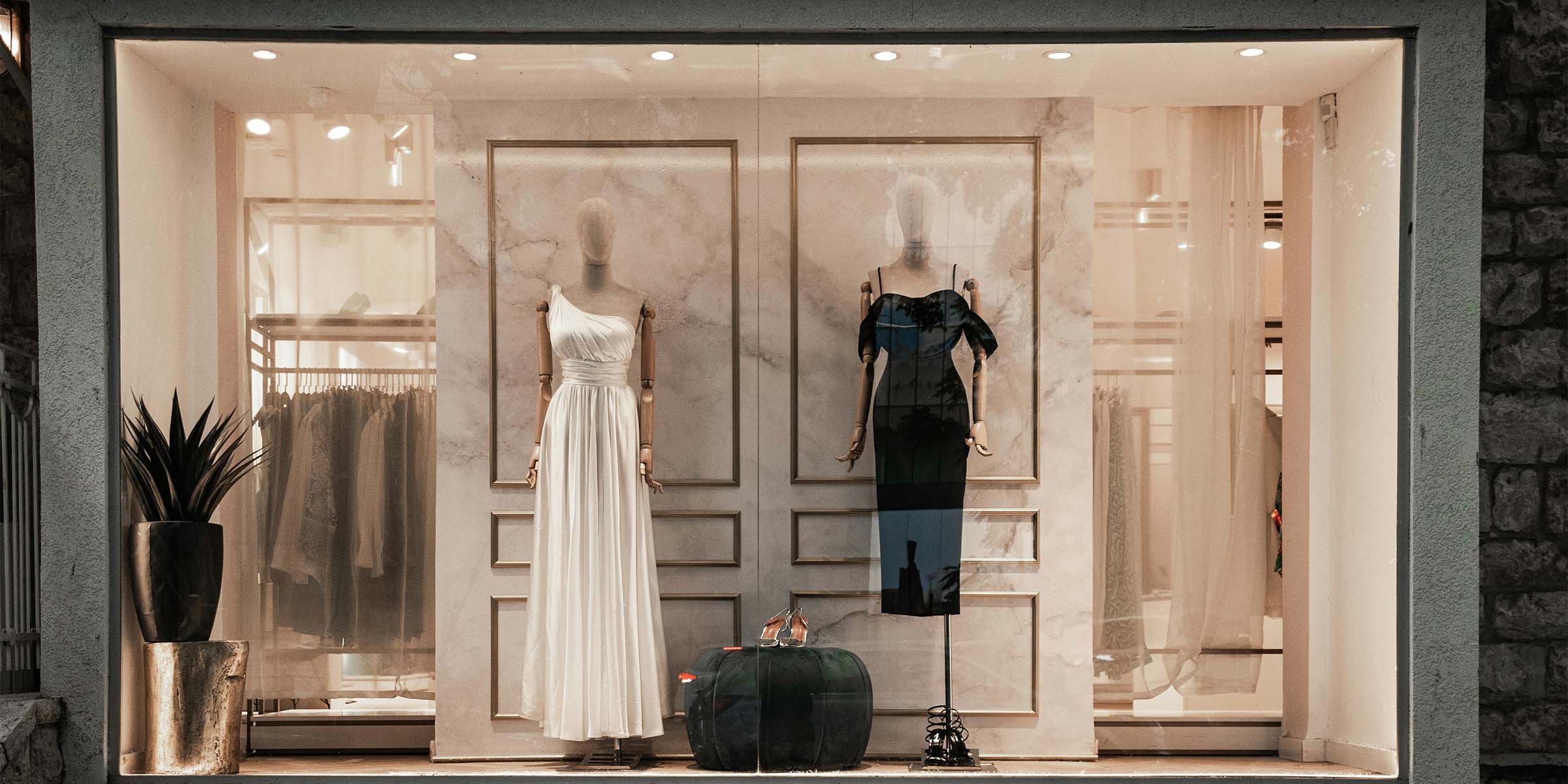
In a store, lighting should guide the customer's gaze, highlight the products, and make the journey pleasant. In a restaurant, it should create a comfortable atmosphere while allowing customers to read a menu, see their plate, and enjoy the ambiance of the place. In an office, it should promote concentration and reduce eye strain. In a hotel, it should support different moments: reception, circulation, rest, reading, grooming, or relaxation.
This usage-based analysis helps prioritize needs. Not all areas should receive the same amount of light. Some should be highlighted, others simply marked. Some require direct light, others indirect or diffuse light. It is this hierarchy that gives depth to a lighting project.
Defining the expected illumination levels

Once the uses are identified, the necessary illumination level must be determined. Illumination is measured in lux. It indicates the amount of light received by a surface. This concept is important because it allows moving from a subjective impression to a more measurable basis.
In professional spaces, lux levels vary according to activities. A circulation area requires less light than a workstation. A restaurant dining room can be intentionally dimmer than a kitchen or preparation area. A shop can combine moderate general lighting with stronger accent lighting on products.
However, the study should not be reduced to a simple search for lux levels. Two spaces can have similar illumination levels and produce very different sensations depending on the color temperature, beam orientation, fixture height, color rendering index, or presence of variation. Lux is a reference point, but it is not enough to create successful lighting.
For a professional project, the goal is to find a balance between lighting performance, visual comfort, and ambiance. It’s not about lighting as much as possible, but lighting just right.
Choosing the right color temperature
Color temperature plays a crucial role in the perception of a space. It is measured in kelvins. The lower the value, the warmer the light appears. The higher it is, the cooler or more neutral it seems.
In reception areas, restaurants, hotels, or relaxation spaces, warm light is often preferred to create a comfortable and welcoming atmosphere. In offices, workshops, technical areas, or workspaces, a more neutral light may be preferable to promote concentration and readability.
The choice of color temperature must always be consistent with the use of the space. Light that is too cool in a restaurant can make the atmosphere feel impersonal. Light that is too warm in an office can lack energy. In a shop, the color temperature must also respect the materials and colors of the products displayed.
It is generally best to avoid mixing too many different color temperatures in the same visible space. Contrasts can be useful when controlled, but they can also create a messy impression if each light fixture produces a different light.
Work on color rendering

Color rendering is a criterion often underestimated. Yet, it is essential in shops, restaurants, hotels, showrooms, galleries, hair salons, or spaces where materials must be perceived accurately.
A light fixture with a good color rendering index allows for more faithful reproduction of the colors of objects, textiles, food, wood, stone, or wall coverings. Conversely, poor-quality light can dull colors, alter the perception of a product, or give an unflattering look to a space that is otherwise well designed.
In a commercial lighting study, this concept is particularly important. Light is not only used to make products visible: it directly contributes to their appeal. A garment, a light fixture, a decorative object, a piece of jewelry, or a food product will not be perceived the same way depending on the quality of the light illuminating it.
Position the light points on the plan
Once the needs are defined, the next step is installation. This stage involves placing the light fixtures on the plan according to uses, volumes, furniture, technical constraints, and desired effects.
Positioning must be precise. A pendant light placed too high can lose its visual impact. A poorly directed spotlight can cause glare or an annoying shadow. A wall light installed in the wrong place may fail to fulfill its decorative or functional role. A single ceiling light in the center of a room can produce flat light that is poorly suited to actual uses.
A good indoor lighting plan usually combines several types of light: general lighting, task lighting, and accent lighting. General lighting provides a base level of brightness. Task lighting meets a specific need, such as reading, working, preparing, or welcoming. Accent lighting highlights a wall, a table, a product, a work of art, a counter, or an architectural feature.
This layering of light sources allows for creating a richer and more flexible ambiance. It is particularly important in professional projects where the space can change atmosphere depending on the time of day, attendance, or use.
Anticipating glare and shadows
A space may be sufficiently lit in theory but uncomfortable in reality. This is often the case when glare, reflections, or cast shadows have not been anticipated.
Glare can come from a luminaire that is too powerful, a source visible in the field of vision, a poorly oriented beam, or a shiny surface reflecting light. In an office, this can interfere with screen work. In a restaurant, it can make a table uncomfortable. In a shop, it can disrupt the reading of a product or display.
Shadows must also be studied. Light that is too directional can create dark areas or excessive contrasts. Conversely, light that is too diffuse can lack depth. The goal is to find the right balance between visibility, comfort, and staging.
That is why a lighting study should not only indicate where to place the luminaires. It should also specify their orientation, height, beam angle, and role in the overall ambiance.
Choosing the right luminaires for the project

The choice of luminaires comes after analyzing needs and layout. At this stage, it becomes much easier to select the right models because each luminaire corresponds to a specific function.
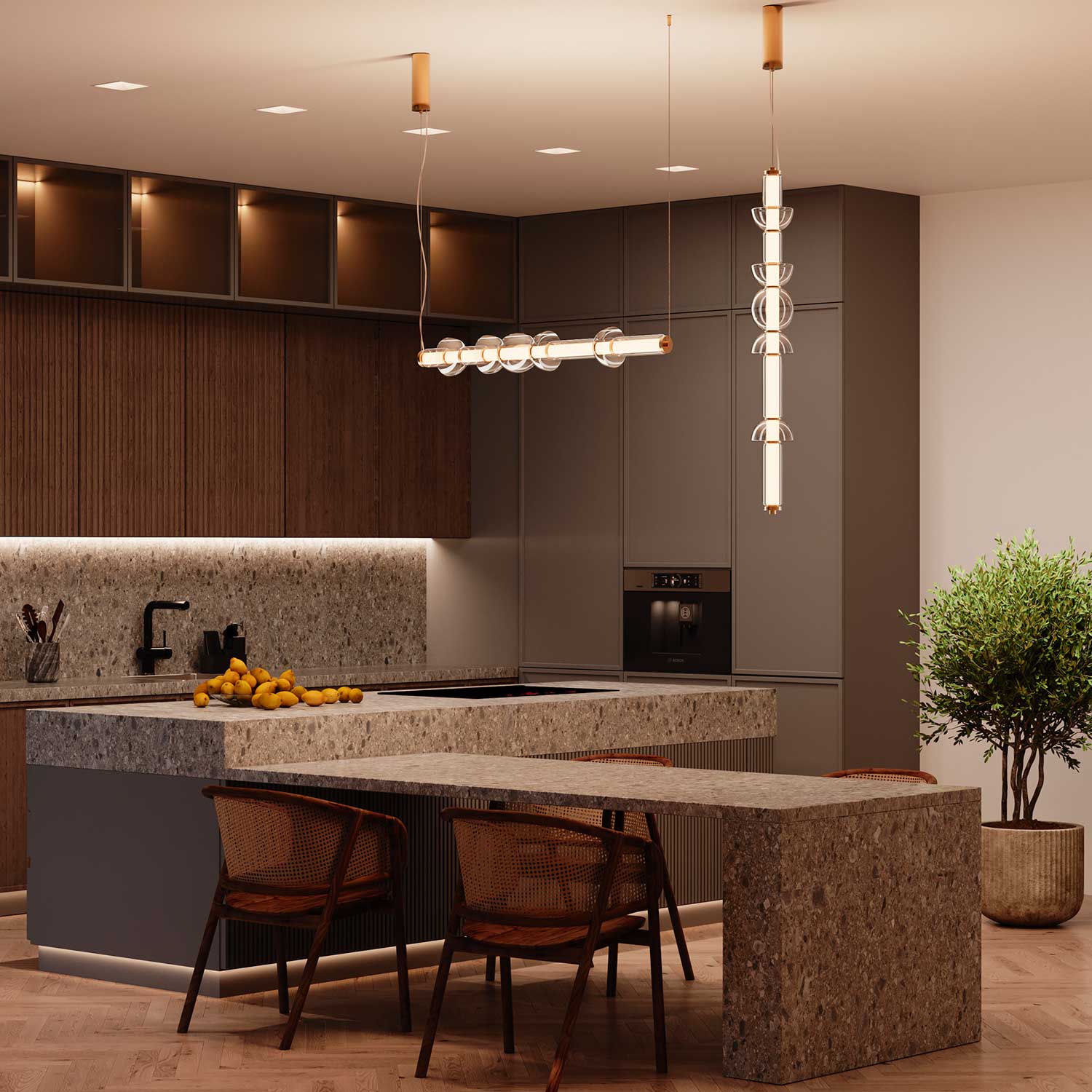
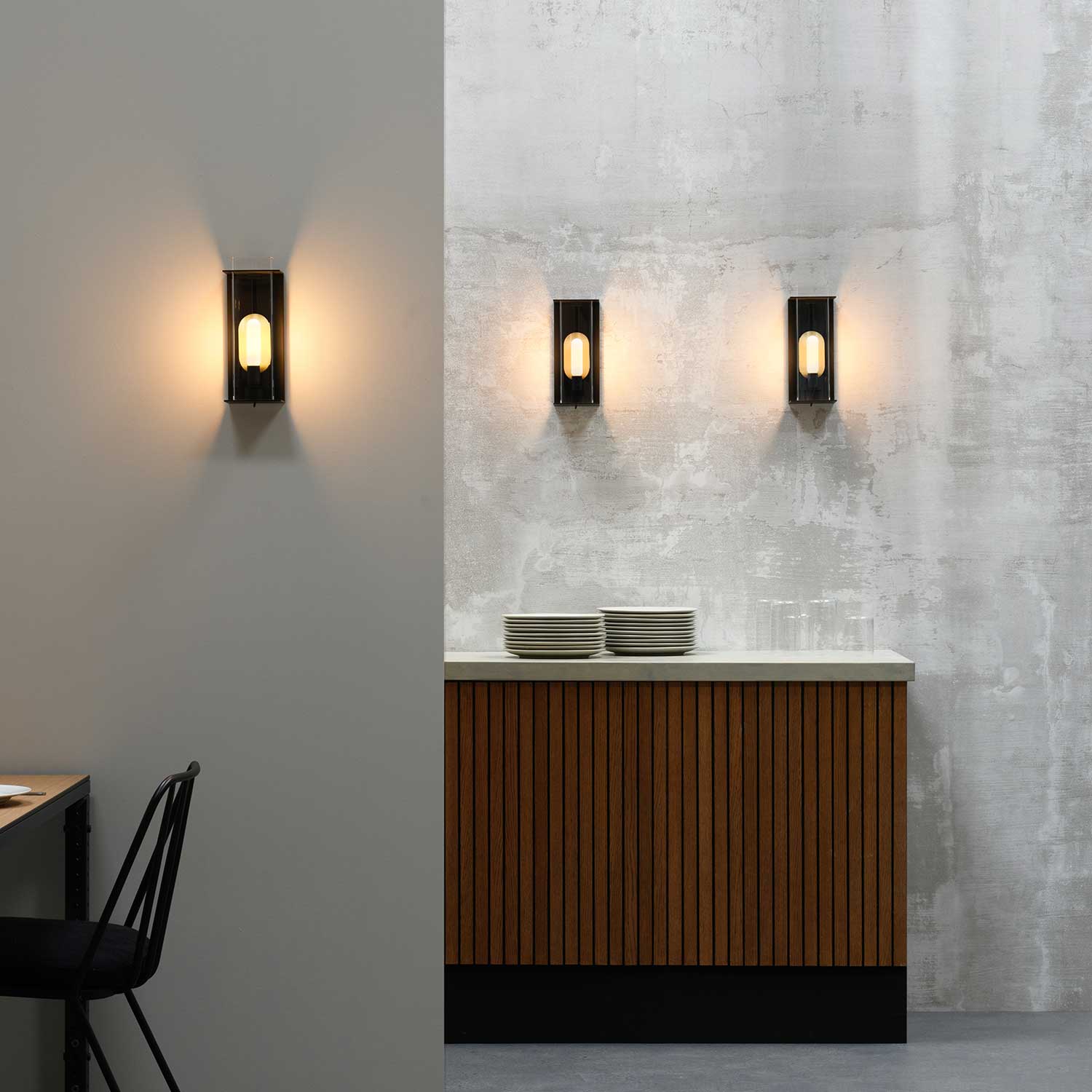
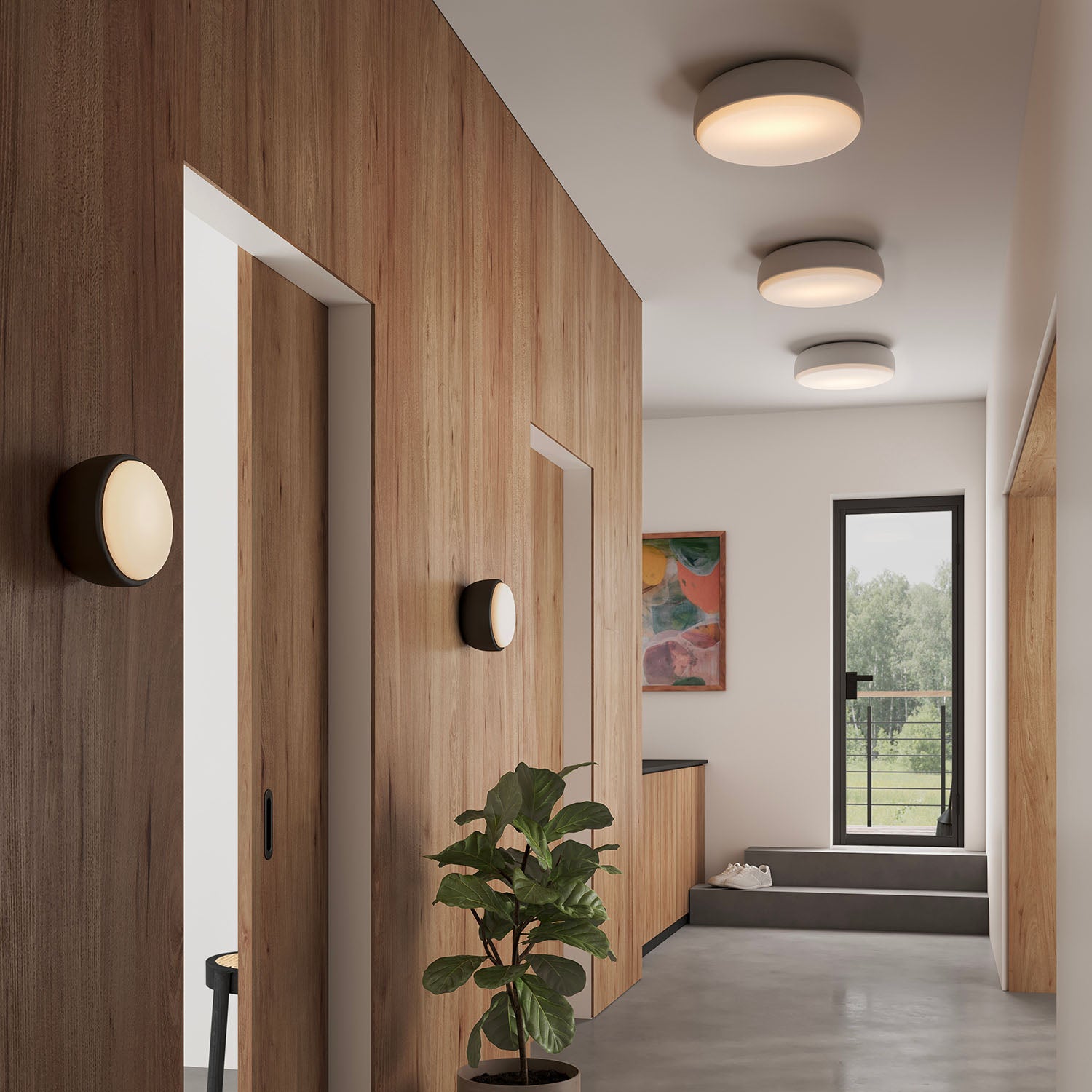
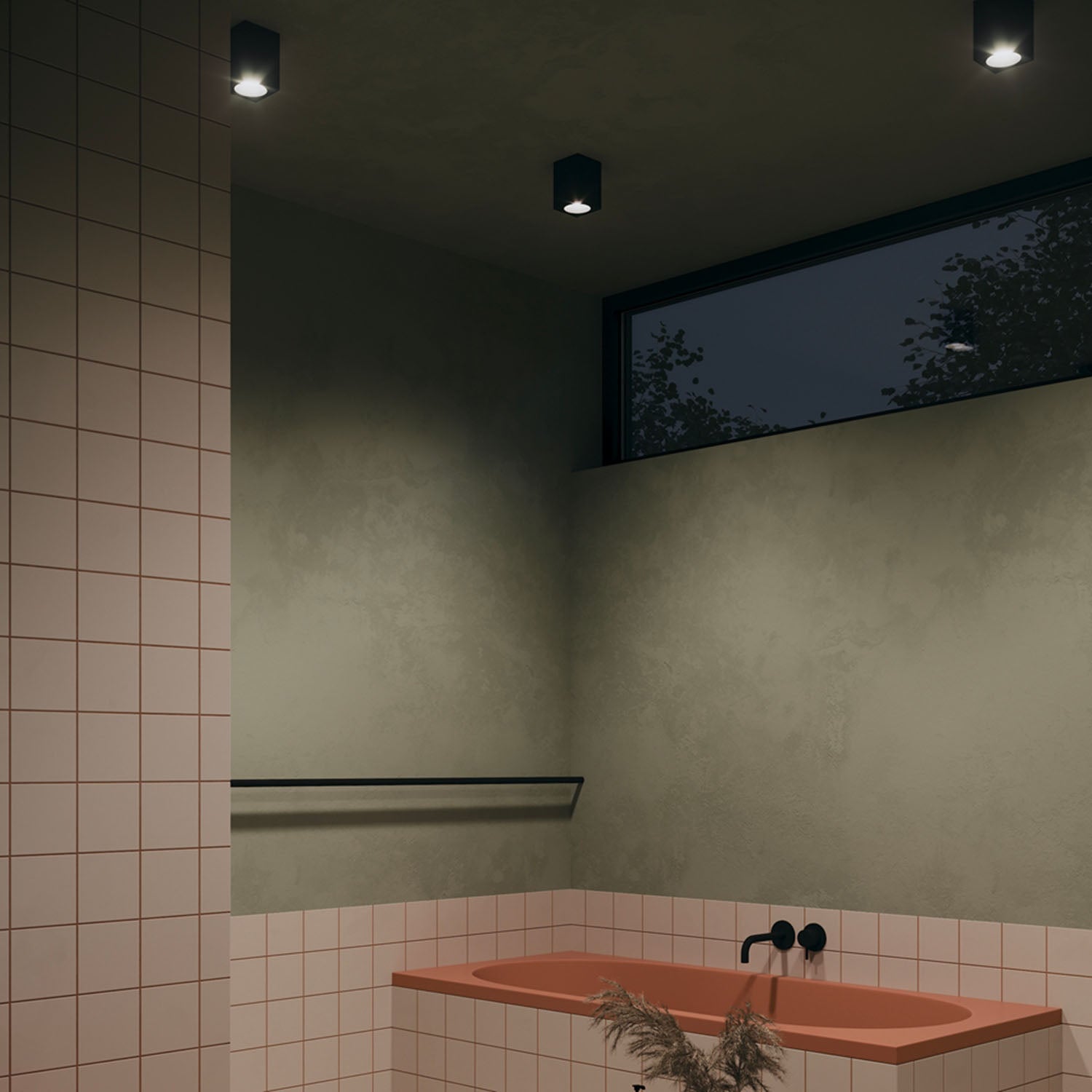
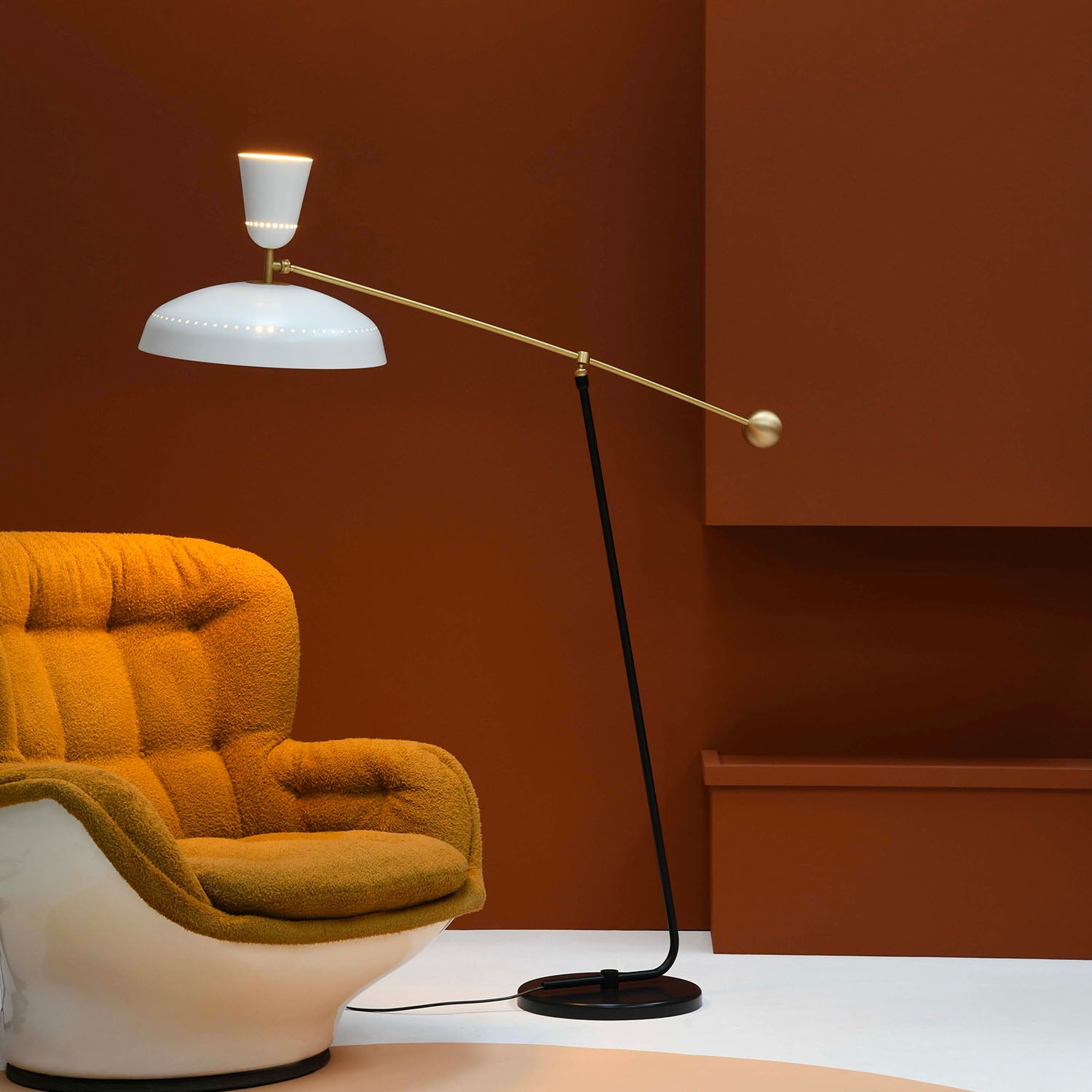
Pendant lights can structure a space, dress a ceiling height, create a focal point, or accompany a table. Wall sconces can provide ambient light, highlight a material, or punctuate a corridor. Spotlights allow for effective directional lighting, especially for shops, counters, or areas requiring precise highlighting. Ceiling lights can provide general lighting, while floor lamps and table lamps offer more decorative or supplementary light.
In a professional project, it is also necessary to check the technical characteristics: luminous flux, beam angle, color temperature, color rendering index, dimming compatibility, mounting type, dimensions, maintenance, and availability. A luminaire can be aesthetic but not suitable for the intended use.
The selection must therefore meet two requirements: lighting performance and aesthetic coherence. This is precisely the point that makes the difference between a simple purchase of fixtures and a true lighting design.
Concrete case: designing the lighting for an 80 m² restaurant
Let’s take the example of a restaurant of about 80 m² including a dining room, a bar, an entrance, circulation areas, and some technical zones. The goal is not to light the entire space uniformly but to create a welcoming atmosphere while ensuring comfort for guests and staff.
In the dining room, lighting should enhance the tables without overwhelming the guests. Pendants placed above tables can create an intimate atmosphere, provided the right height, diameter, and sufficiently soft light are chosen. If the pendants are too high, they become mainly decorative. If they are too low or too bright, they can obstruct views or cause discomfort.
The bar can receive a more pronounced treatment. Pendant lights, sconces, or directional spotlights can highlight the counter, bottles, materials, or decorative elements. This area often plays a strong visual role: it draws the eye upon entry and contributes to the restaurant’s identity.
Circulation areas must be clear without being overlit. Subtle lighting can be enough to guide movement. In restrooms or passage areas, wall sconces and ceiling lights should provide simple, clean comfort consistent with the rest of the space.
The kitchen, storage rooms, or preparation areas follow a different logic. The lighting there is more functional, with more efficient, more uniform light adapted to work. It is therefore normal for a restaurant to combine several lighting atmospheres depending on the zones.
In this type of project, a restaurant lighting study helps avoid two common mistakes: creating a room that is too dark under the pretext of ambiance, or conversely installing lighting that is too strong, breaking the intimacy of the space. Success often comes from variation, layering of sources, and the right balance between decorative and functional lighting.
Concrete case: adapting the lighting study to an office
In an office, priorities are different. Light must promote visual comfort, concentration, and quality of work over time. Poorly designed lighting can cause fatigue, screen glare, or discomfort, even if the space appears well lit at first glance.
A office lighting study begins with the placement of workstations, screens, windows, meeting rooms, and circulation areas. The goal is to avoid excessive contrasts between surfaces, limit glare, and ensure sufficiently even light on work surfaces.
General lighting can be complemented by desk lamps, luminous acoustic pendants, technical ceiling lights, or wall sconces depending on the layout. In meeting rooms, variation can be relevant to adapt the light to presentations, discussions, or videoconferences.
Visual comfort must remain a priority. Light that is too decorative but insufficient can harm daily work. Conversely, purely technical, cold, and uniform lighting can make the space unwelcoming. The right balance depends on the function of the place but also on the image the company wants to convey.
Common mistakes in a lighting study

The first mistake is thinking only in terms of the number of fixtures. Adding more light points does not guarantee better lighting. A successful project depends more on proper positioning, light quality, and source coherence than on quantity.
The second mistake is choosing fixtures solely for their aesthetics. A fixture can be very beautiful but produce insufficient, too direct, too cold, or poorly adapted light for the space. In a professional project, the lighting object must always be evaluated both as a decorative element and as a light source.
The third mistake is creating uniform lighting everywhere. This approach may seem reassuring, but it often results in flat spaces without depth or hierarchy. Light should guide the eye, highlight important areas, and create different atmospheres depending on the use.
The fourth mistake is neglecting variation. In a restaurant, hotel, meeting room, or reception area, the ability to adjust light intensity can transform the experience. The same room may need stronger light in the morning, softer light in the evening, or more focused light depending on the activity.
Finally, a common mistake is to forget installation constraints. Ceiling height, electrical connections, false ceilings, load-bearing walls, local regulations, maintenance, and accessibility must be anticipated. A fixture that is difficult to install or maintain can become problematic in a professional space.
Should software be used to conduct a lighting study?
Simulation software like DIALux or Relux can be very useful for certain projects. They allow modeling a space, integrating photometric data, and obtaining an estimate of illumination levels. For offices, shops, tertiary spaces, or technical projects, these tools provide a precise and measurable reading.
However, software does not replace project analysis. It calculates a quantity of light, but it does not always understand the decorative intention, customer experience, perception of materials, or the desired atmosphere. A simulation may indicate that a space is properly lit in lux, while producing an ambiance poorly suited to the identity of the place.
The best approach is therefore to combine technical method and decorative sensitivity. Calculations help verify. Project experience helps decide. In public spaces, restaurants, hotels, or shops, this dual perspective is particularly important.
How to move from the study to the final choice of fixtures?
Once the study is completed, the choice of fixtures becomes more rational. Each model can be selected according to its role: lighting a table, marking a pathway, highlighting a wall, creating a welcoming light, enhancing an atmosphere, or providing task lighting.
This step also allows for checking the overall coherence of the project. The fixtures must interact with each other without necessarily belonging to the same collection. Attention must be paid to finishes, shapes, proportions, color temperatures, and the balance between standout pieces and more discreet elements.
In a professional project, the budget must also be analyzed intelligently. It is not always necessary to choose very expensive fixtures everywhere. It may be more relevant to invest more in visible or strategic areas, such as the reception, bar, main tables, a display window, or a meeting room, then choose more understated solutions for secondary areas.
A good lighting project is therefore based on a clear hierarchy: where should the light be spectacular, where should it be comfortable, and where should it simply be functional?
Why get support for a professional lighting study?
A lighting study requires a technical, aesthetic, and practical understanding. You need to be able to read a plan, understand uses, anticipate installation constraints, choose the right types of fixtures, and create a coherent ambiance. For a professional, this step can save time and prevent errors that are hard to fix once work is completed.
At La Lumiere, we support professionals in choosing lighting fixtures adapted to their projects: restaurants, hotels, offices, shops, reception areas, or high-end residential projects. Based on a plan, desired ambiance, and site constraints, it becomes possible to guide the choice toward pendants, wall lights, ceiling lights, spotlights, or floor lamps that align with the actual use of the space.
Our role is not only to offer beautiful fixtures. It is also to help choose the right solutions based on the place, ambiance, technical constraints, and expected quality level. A well-chosen fixture must be aesthetic, suitable, durable, and relevant to the overall project.
Conclusion: a good lighting study allows for just the right lighting
Conducting a lighting study means taking the time to understand a space before choosing fixtures. It involves analyzing uses, defining light levels, working on ambiance, anticipating shadows, avoiding glare, and selecting solutions suited to each area.
In a professional project, light should never be considered just a technical element added at the end. It contributes to the identity of the place, user comfort, highlighting materials, and the overall experience. A well-lit restaurant, hotel, shop, or office immediately gives a more polished, comfortable, and professional impression.
The success of a lighting study is based on a simple idea: it’s not about lighting more, but lighting better. Starting from actual uses, the plan, constraints, and desired ambiance, it becomes possible to create coherent, aesthetic, and effective lighting.
Are you working on a professional lighting project? Our team can assist you in choosing lighting fixtures suited to your space, technical constraints, and desired atmosphere. Contact us to discuss your project.

Leave a comment
This site is protected by hCaptcha and the hCaptcha Privacy Policy and Terms of Service apply.