
IRC: understanding the color rendering index to choose your lighting well
Why do some lights make colors look dull, while others enhance them? The answer lies in three letters: CRI. Often overlooked when choosing a light fixture, the color rendering index plays a fundamental role in visual perception, comfort, and the atmosphere of a space. Whether for a home, a shop, or an office, understanding the CRI allows for a truly high-quality lighting choice.

What is CRI (Color Rendering Index)?
The lighting CRI, or Color Rendering Index, is a measure that evaluates a light source’s ability to faithfully reproduce colors compared to natural light. It is rated on a scale from 0 to 100.
The higher the CRI, the more natural and true-to-life the colors appear. Conversely, a low CRI distorts hues: colors become dull, grayish, or warped.
As a reference:
- CRI 100: natural light (sunlight)
- CRI ≥ 90: excellent color rendering
- CRI 80–89: good rendering, sufficient for most uses
- CRI < 80: poor rendering, to be avoided in living spaces

Why CRI is essential in lighting

The color rendering index directly influences the perception of a space. A light with a low CRI can give a dull complexion, distort materials, or make a room unwelcoming. Conversely, lighting with a high CRI improves visual comfort, color perception, and the overall atmosphere.
In many projects, especially professional ones, CRI is part of the lighting standards to be met to ensure lighting quality suited to uses and the well-being of occupants.
In a living room, kitchen, or shop, light quality is just as important as its strength. That is why professional LED lighting today favors high CRI values.
Which CRI to choose depending on the rooms
Living room and living spaces
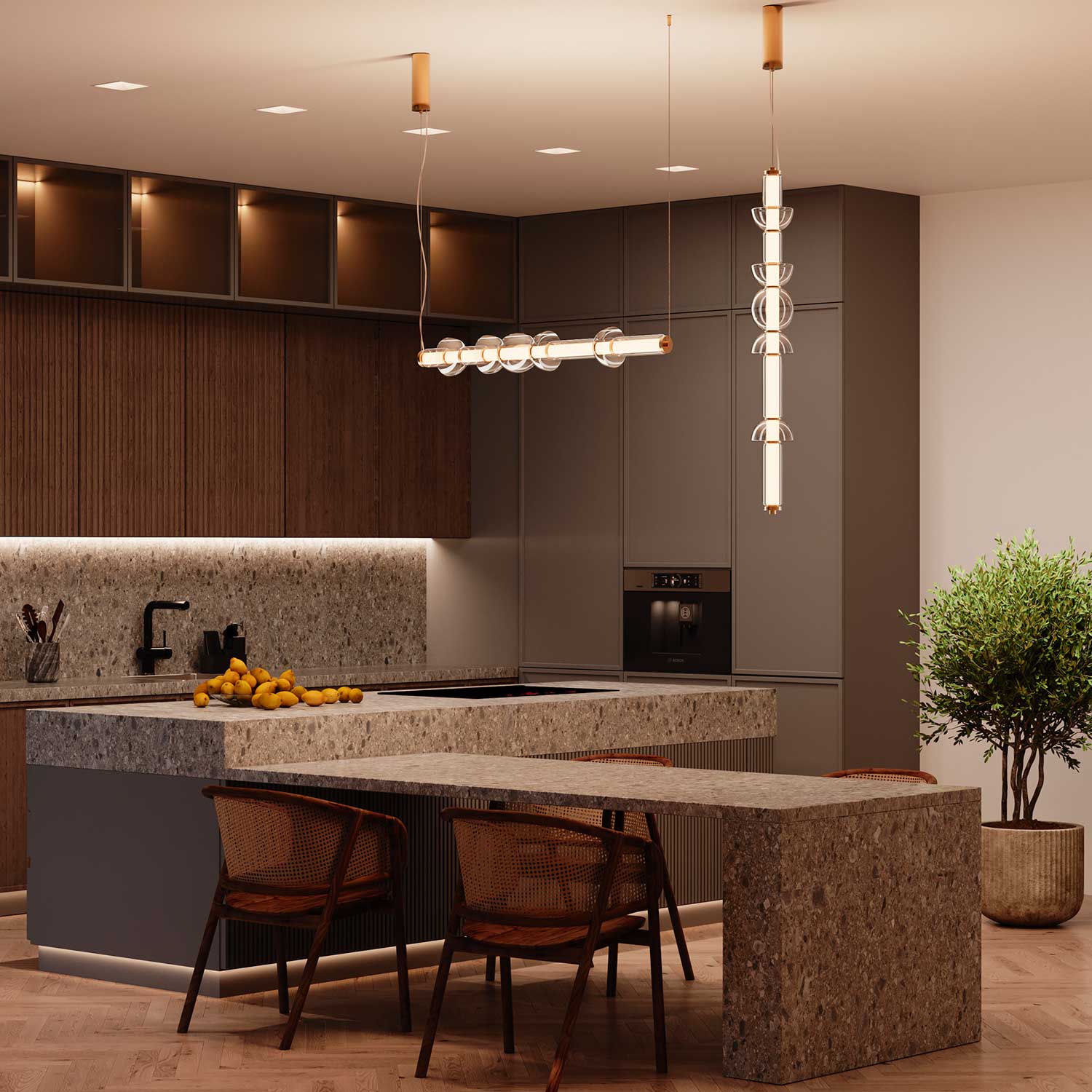
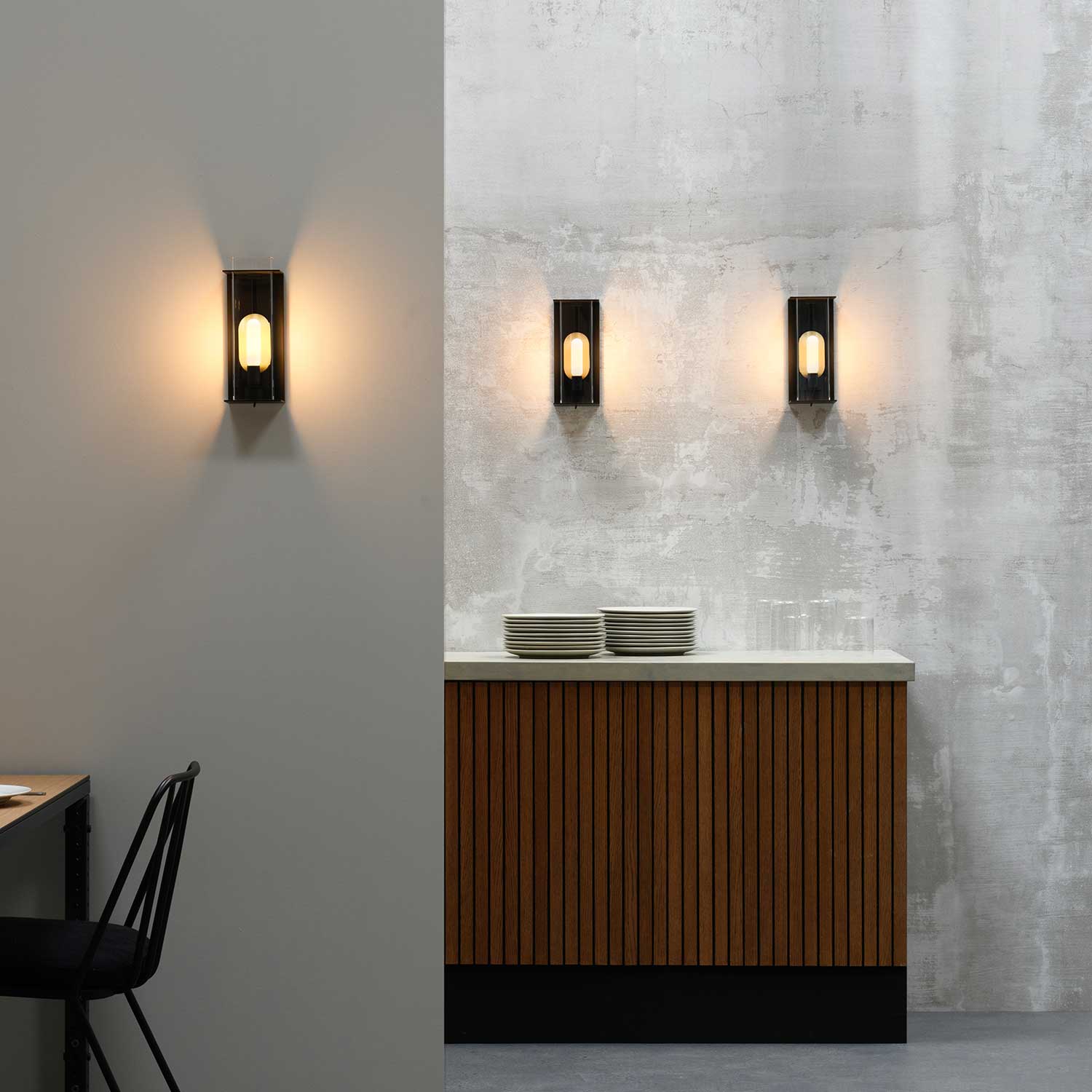
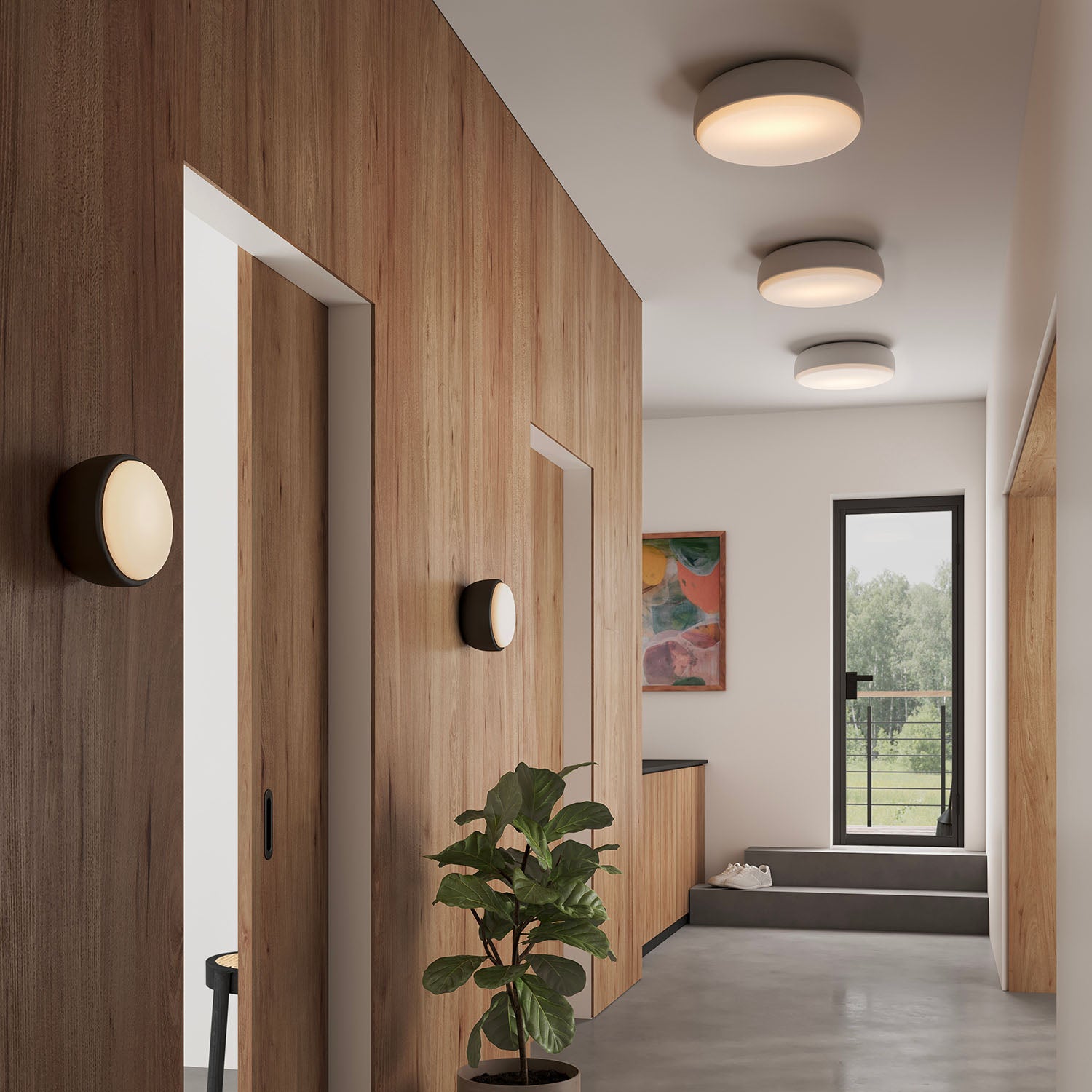
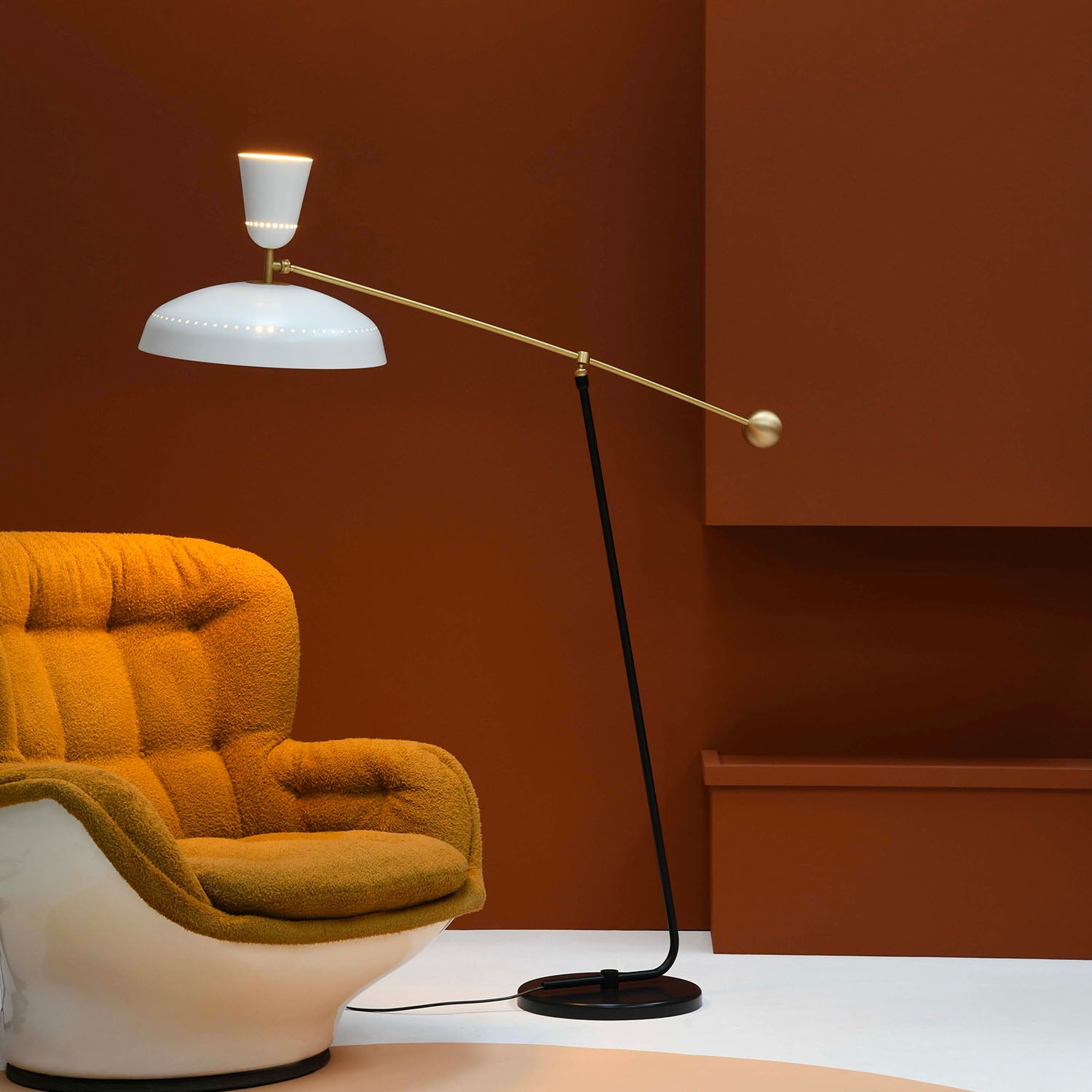
In a living room or dining room, a CRI of at least 80 is recommended, but a CRI above 90 offers a warmer and more faithful rendering of materials and colors. This is especially important for textiles, wood, or decorative elements.
Kitchen and bathroom
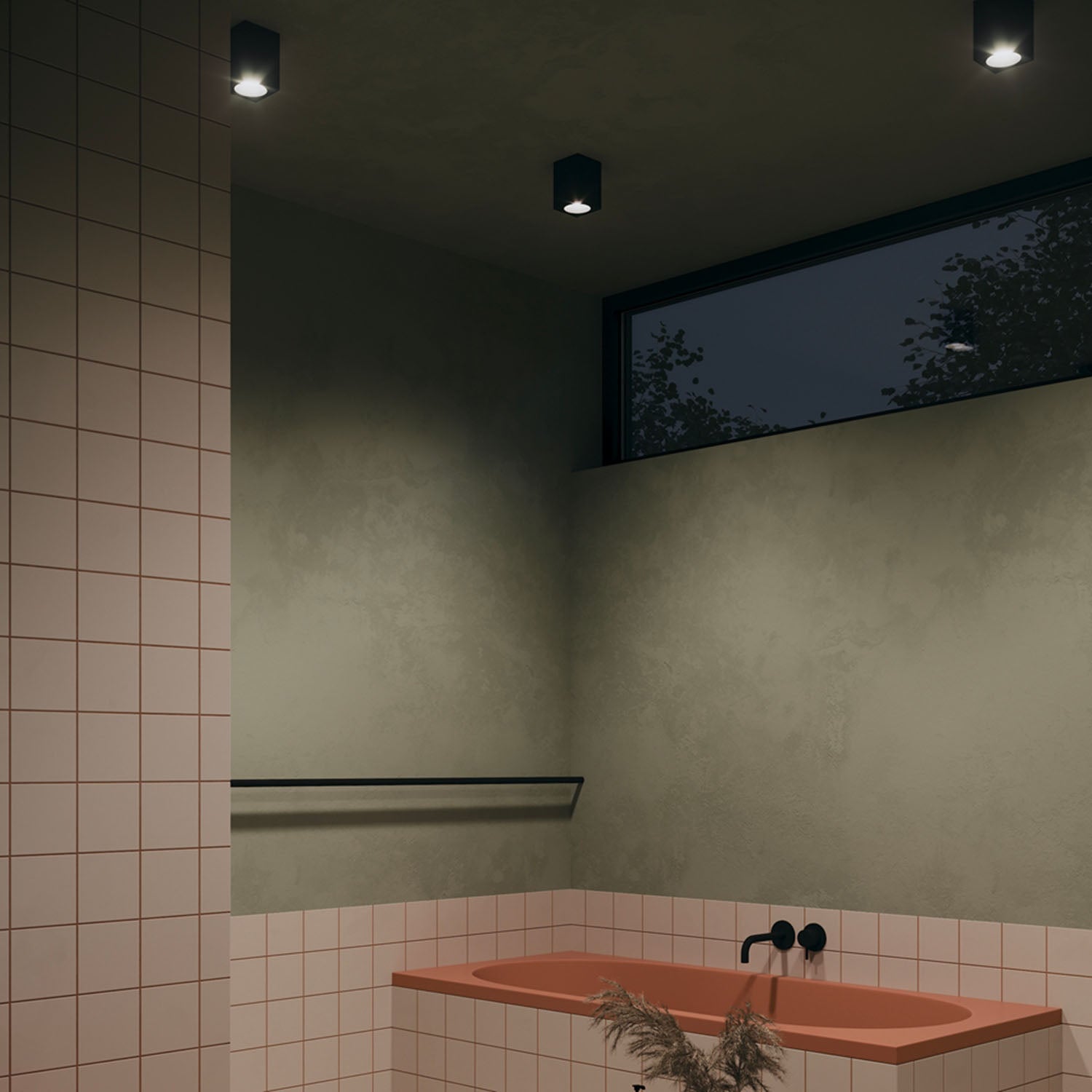
These rooms require excellent color perception. A high CRI is essential to distinguish food, skin tones, or fine details. A CRI ≥ 90 is strongly advised.
Bedroom
In a bedroom, visual comfort is paramount. A good CRI provides soft and natural light, without eye strain, while maintaining a soothing atmosphere.
Offices and professional spaces
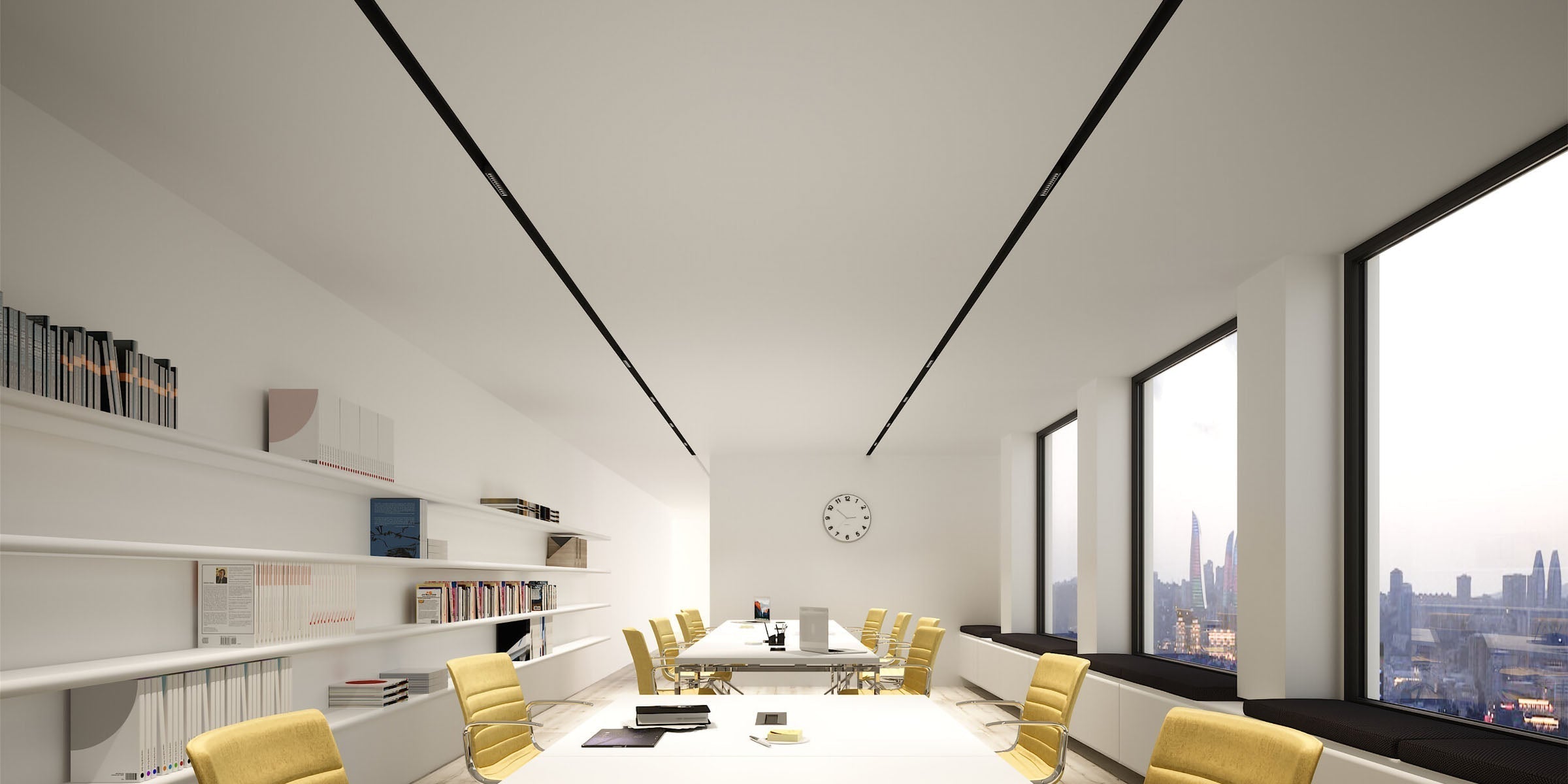
In work environments, CRI directly affects concentration and eye fatigue. Quality professional lighting must offer a high CRI, especially in offices, shops, and public spaces.
CRI and LED lighting: what you need to know

Not all LEDs are equal. While modern LEDs are energy-saving, their color rendering quality varies greatly depending on the components used.
Today you can find:
- LEDs with CRI 80 (standard)
- LEDs with CRI 90+ (top range)
- LEDs with CRI 95 (professional quality)
A good LED lighting should therefore be chosen not only for its consumption but also for its color rendering. To obtain pleasant and true-to-life light, it is recommended to choose quality LED fixtures, designed to offer excellent color fidelity and lasting visual comfort.
Common mistakes to avoid
Here are the most frequent mistakes when choosing lighting:
- Relying solely on wattage
- Confusing color temperature and CRI
- Choosing low-quality LEDs
- Neglecting the impact of light on colors
Poorly chosen lighting can spoil a room’s atmosphere, even if the fixture is attractive.
Conclusion
CRI is a fundamental criterion in choosing lighting, far too often ignored. It determines visual quality, comfort, and the true perception of colors in a space.
Whether for a home or a professional project, opting for lighting with a good color rendering index guarantees a more natural, pleasant, and flattering result. Taking CRI into account means choosing truly high-quality and lasting lighting.


Leave a comment
This site is protected by hCaptcha and the hCaptcha Privacy Policy and Terms of Service apply.