
Single-phase or three-phase: what are the differences for your lighting?
When installing lighting, especially track lighting or technical fixtures, one question often arises: should you choose a single-phase or three-phase system? This distinction, often misunderstood, is nonetheless essential to ensure lighting suited to your use, whether residential or professional.
In this article, we simply explain the difference between these two systems, their respective advantages, and how to make the right choice according to your project.

What is single-phase lighting?
A single-phase lighting system operates with a single electrical circuit. This means that all the fixtures connected to this circuit turn on and off at the same time.
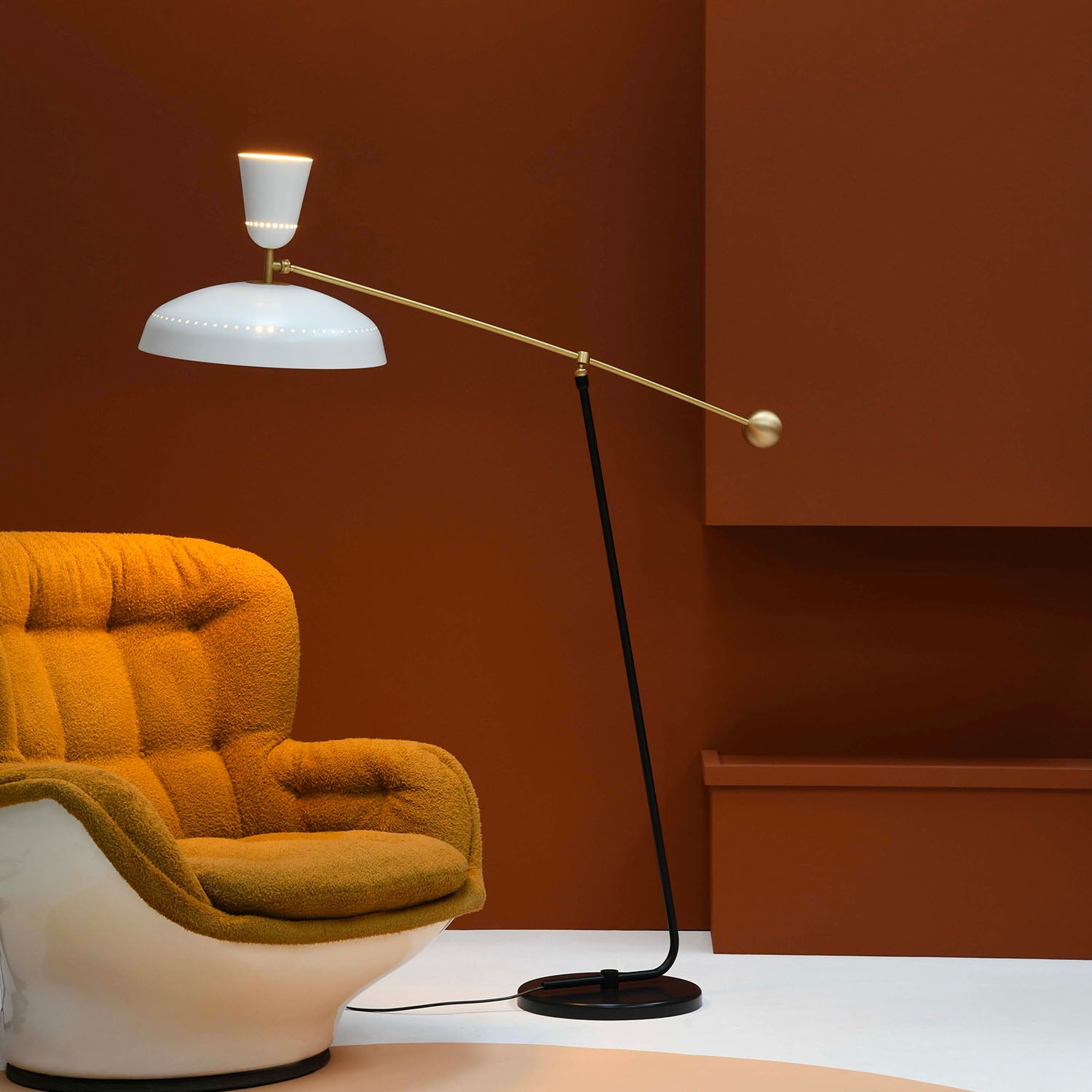
The single-phase track is the most used in private homes. It is simple to install, compatible with most electrical setups, and perfectly suited for domestic use.
This type of system is ideal for:
- living rooms and lounges
- kitchens
- hallways
- bedrooms
It allows the installation of several spotlights or pendants on the same track while keeping the setup simple and economical.
What is three-phase lighting?
A three-phase system works differently: it allows managing up to three circuits

independent on a single track. Each group of fixtures can thus be controlled separately.
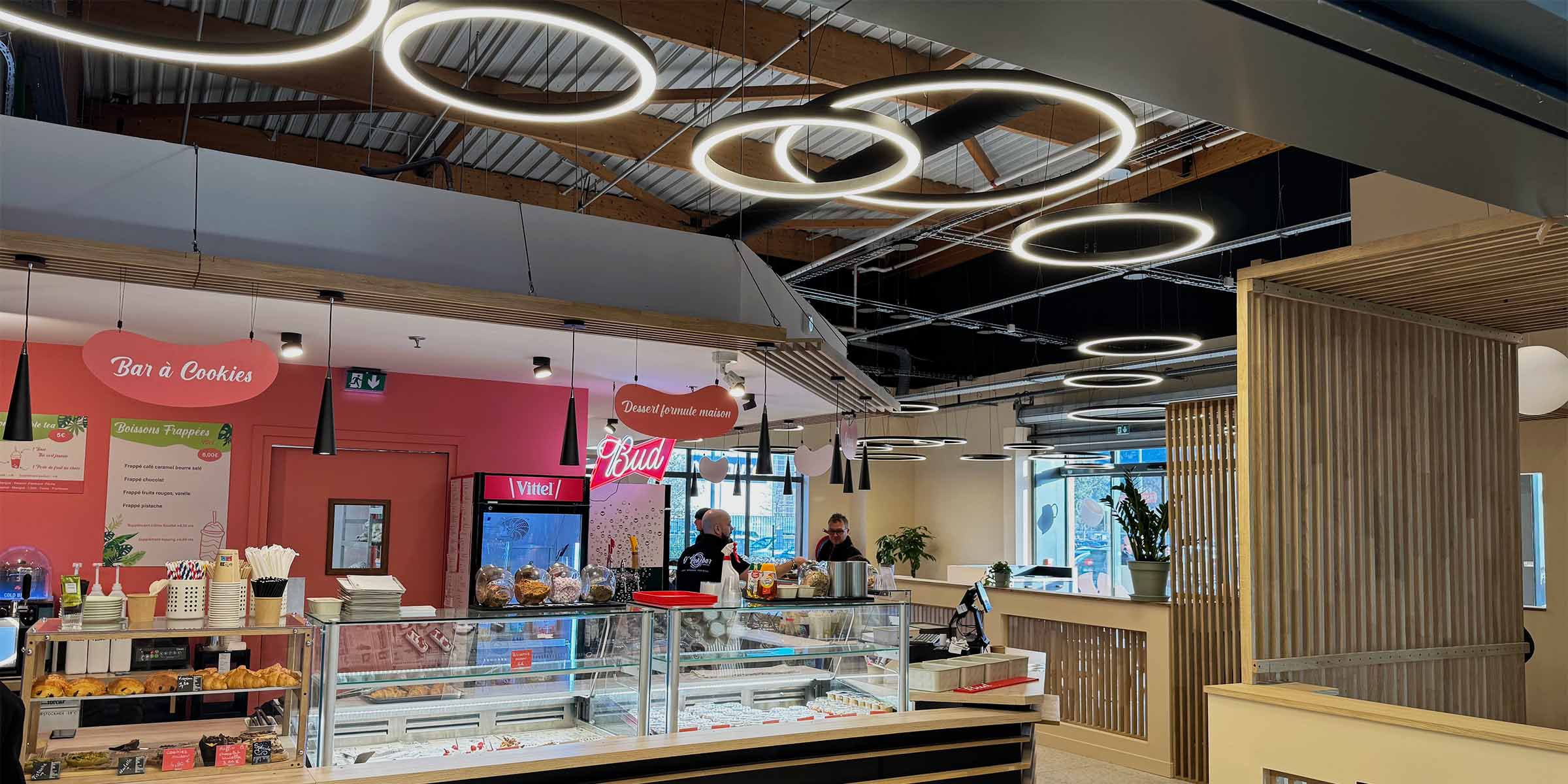
The three-phase track is mainly used in professional environments where lighting needs to be adjusted according to zones or uses.
It is particularly suited for:
- shops and stores
- restaurants
- art galleries
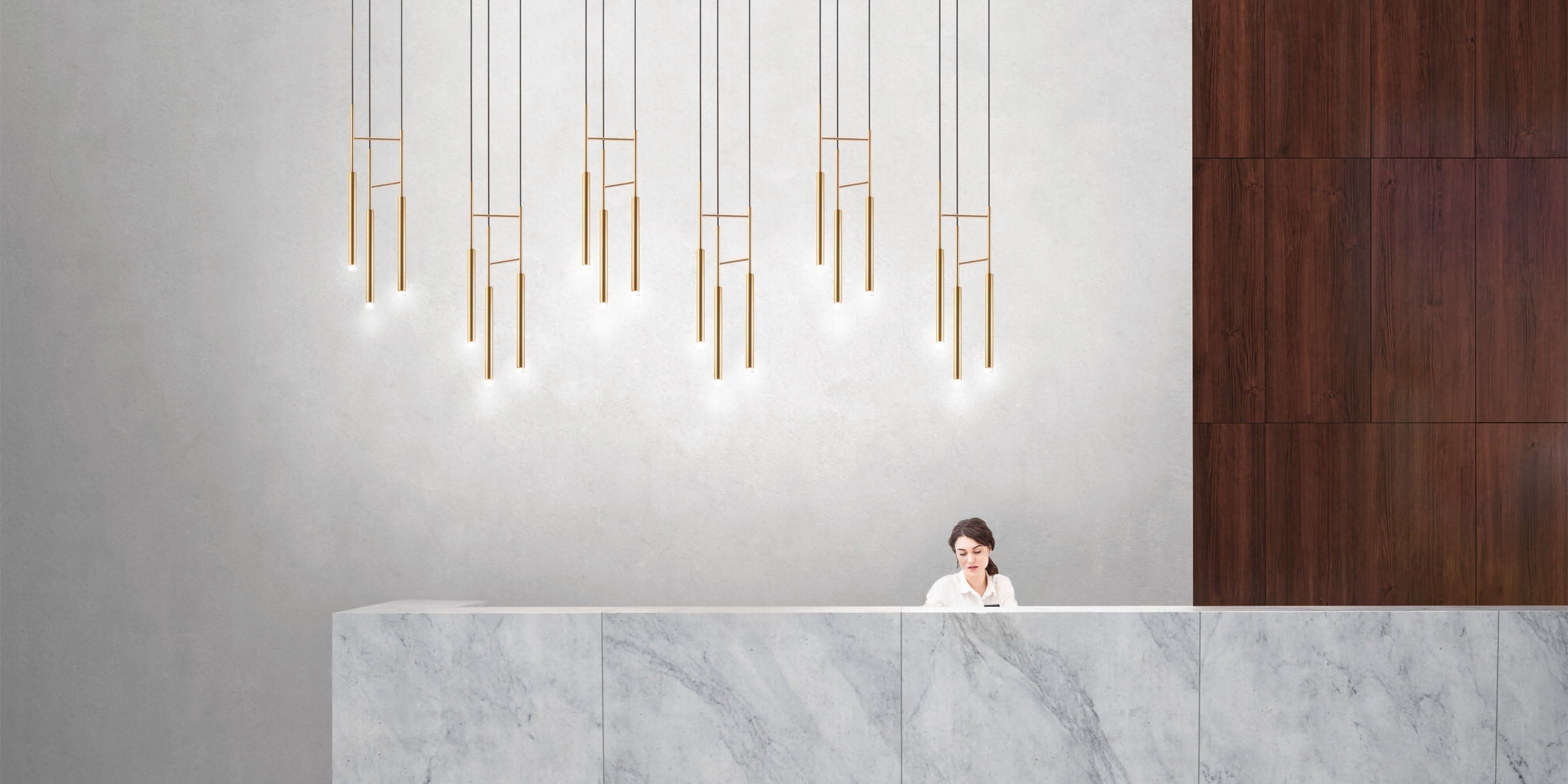
- offices and professional spaces
This system offers great flexibility: it is possible to turn on only certain fixtures, change the lighting according to needs, or create different atmospheres on the same installation.
Single-phase or three-phase: what are the differences?
The main difference between the two systems lies in the management of electrical power supply.
With a single-phase system, all fixtures operate together. With a three-phase system, they can be distributed across several independent circuits.
In summary:
- Single-phase is simpler, more common, and more economical
- Three-phase offers more flexibility and control
- Three-phase is mainly used in professional lighting
It is important to note that the term “three-phase” used for lighting tracks does not correspond to a domestic three-phase electrical installation, but rather to an internal management of the track.
How to choose the right system?
The choice between single-phase and three-phase depends primarily on your use.

For a private home, single-phase lighting is more than sufficient in most cases. It allows effective lighting of a room without unnecessary complexity.
However, if you want to:
- create several lighting zones
- develop your installation over time
- adjust lighting at different times of the day
then three-phase lighting can be an excellent solution, especially in professional spaces or large volumes.
Common mistakes to avoid
Here are the most common mistakes encountered when choosing a lighting system:
- Confusing three-phase track with a three-phase electrical installation
- Buying spotlights incompatible with the track
- Choosing a system too complex for domestic use
- Not anticipating future lighting development
A poor choice can lead to installation constraints or limit the possibilities for evolving your lighting.
Conclusion
The choice between single-phase and three-phase depends primarily on your project and your use. For a classic interior, single-phase remains the simplest and most common solution. For a professional space or a developing project, three-phase offers far greater flexibility.
Understanding these differences well helps avoid mistakes, optimize your installation, and choose lighting perfectly suited to your needs, both aesthetic and functional. For personalized support or a professional project, do not hesitate to contact us through our dedicated project space.

Leave a comment
This site is protected by hCaptcha and the hCaptcha Privacy Policy and Terms of Service apply.