
How to use chocolate brown in an interior?
How can you use chocolate brown in an interior?
Deep, warm and particularly elegant, chocolate brown is naturally making a comeback in contemporary interiors. Long associated with classic décors or dark wood furniture, it is now used in a much more modern way: on a wall, a sofa, curtains, a light fixture or simply in a few accessories. Softer than black and more enveloping than beige, it immediately adds depth to a room. However, you need to know which colors, materials and lighting to pair it with to avoid darkening the overall look.
Table of contents
- Why choose chocolate brown for your décor?
- What colors go well with chocolate brown?
- Pairing chocolate brown with beige
- Chocolate brown and green: a very natural pairing
- Can chocolate brown be paired with blue?
- Soften brown with pink or dusty tones
- What materials should you use with chocolate brown?
- Should you paint a wall chocolate brown?
- How can you use chocolate brown in a living room?
- How can you incorporate this color into a bedroom?
- Chocolate brown in a kitchen or dining room
- Which luminaires should be paired with chocolate brown?
- Mistakes to avoid

Why choose chocolate brown for your décor?
Chocolate brown in décor has a quality that few dark colors possess: it structures a room without creating the visual harshness of black. Its warm tone enhances the feeling of comfort while giving greater depth to the space.
It works particularly well in interiors seeking an enveloping and sophisticated atmosphere. Depending on the materials it is paired with, it can evoke a very contemporary setting, décor inspired by the 1970s or, conversely, a more timeless interior.
Chocolate brown also has the advantage of pairing easily with natural materials. Wood, stone, linen, wool, leather or travertine naturally sit well alongside it.
What colors go well with chocolate brown?
Brown is already a relatively rich color. To avoid overwhelming the interior, it is generally best to build a palette around two or three complementary shades.
Light colors such as off-white, cream, beige or ivory help add brightness. Muted greens enhance its natural character, while deep reds, burgundy or certain shades of pink create a more sophisticated atmosphere.
Brown can also be paired with cooler colors, provided a certain balance is maintained. For example, blue-gray or deep blue can create a particularly elegant contrast.

Pairing chocolate brown with beige
The combination of chocolate brown and beige is probably one of the easiest to get right. Beige brings light, while brown adds depth and prevents the interior from feeling too neutral.
In a living room, off-white walls can be paired with a dark brown sofa, a wooden table or a few chocolate-colored textile elements. Conversely, a brown wall can be balanced with a beige sofa and a large light-colored rug.
To avoid overly monochromatic décor, it is a good idea to vary the textures: wool, wood, bouclé, linen, ceramic or glass can create contrast even when the colors remain very similar.
Chocolate brown and green: a very natural pairing
Green works particularly well with brown because it directly evokes the colors found in nature. Chocolate brown with olive green creates a deep and sophisticated atmosphere, while sage green brings more softness.
This combination is particularly appealing in a living room or dining room accompanied by natural wood and greenery. It creates a warm interior without relying solely on beige and cream tones.
To maintain sufficient brightness, it is also preferable to introduce a few lighter surfaces, particularly on the walls, floor, or textiles.
Can chocolate brown be paired with blue?
Yes, provided you choose the right shades. The contrast between the warmth of brown and the coolness of blue can give a room plenty of character.
A deep or slightly grayish blue works particularly well with dark brown wood, while a lighter blue can bring more freshness. This combination is interesting in an elegant, slightly masculine interior, but it can also be softened with cream or beige.
Details in chrome-plated metal or steel can reinforce the contemporary character of this palette.
Soften brown with pink or dusty tones
Dusty pink, old rose, or certain terracotta shades can bring a softer dimension to chocolate brown. The contrast remains subtle since these colors also have warm undertones.
A few cushions, an armchair, a work of art, or a textile are generally enough. There is no need to use these shades over large surfaces for them to alter the atmosphere of the room.
For a bolder interpretation, chocolate brown can also be paired with a dark red or burgundy, particularly in a room that benefits from plenty of natural light.
What materials should you use with chocolate brown?
Chocolate brown reveals its full depth when paired with sufficiently varied materials. Wood is obviously one of the most natural choices, but there is no need to choose exactly the same shade everywhere.
Walnut or smoked wood can complement chocolate-colored paint, while light oak creates more contrast. Natural stone, travertine, and certain ceramics can then introduce lighter tones.
For textiles, velvet accentuates the enveloping character of brown, while linen and bouclé help lighten it. Smoked glass, chrome-plated metal, or brass can finally add a more sophisticated touch.

Should you paint a wall chocolate brown?
A chocolate brown wall can add considerable depth to a room, particularly behind a sofa, headboard or low cabinet. Contrary to popular belief, a dark color does not systematically make a room feel smaller. When used correctly, it can instead enhance the sense of perspective.
In a room with little natural light, however, it is preferable not to darken every surface. A single chocolate wall combined with cream or off-white walls helps retain more brightness.
In a large room, a more generous use of the color can be particularly successful. It can envelop an entire space, provided you plan suitable artificial lighting and sufficient contrast in the furniture.
How can you use chocolate brown in a living room?
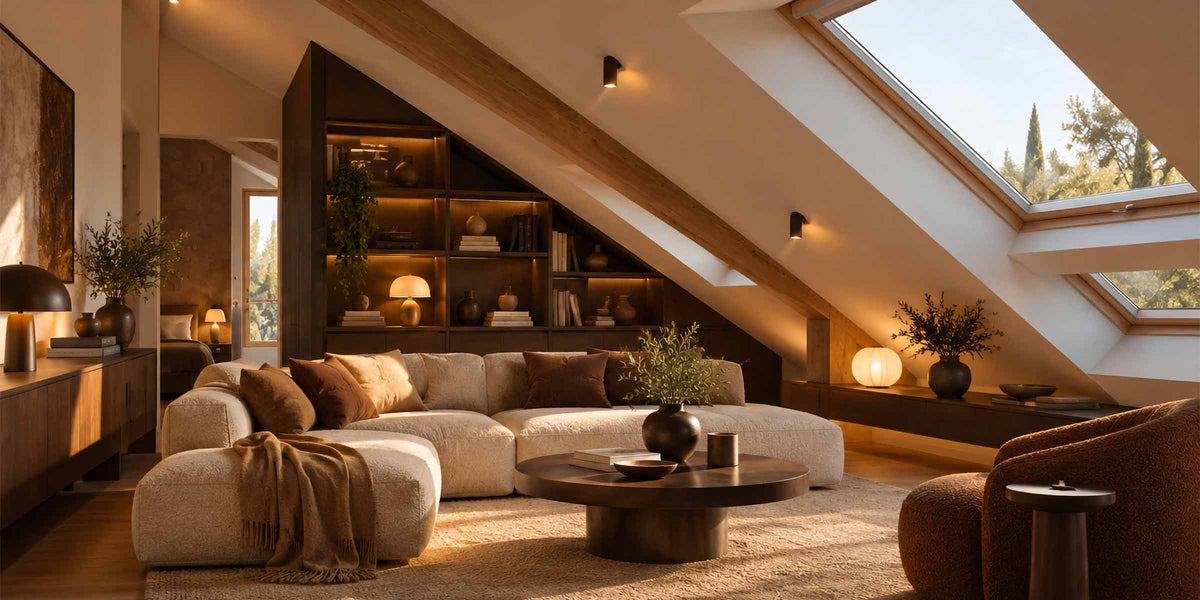
A chocolate brown living room can take many different forms. The simplest solution is to choose one statement piece: a sofa, armchair, rug or large piece of furniture. The rest of the decor can then remain more neutral.
For example, a chocolate sofa works very well in front of a beige or cream wall, with a light-colored rug, a stone coffee table and a few wooden elements. For a more decorative approach, brown can be used on the walls while the seating remains brighter.
It is also important to distribute the color throughout the room. If all the brown is concentrated in one place, the design may seem unbalanced. A few touches on a light fixture, cushion, piece of artwork or piece of furniture can create greater cohesion.
How can you incorporate chocolate brown into a bedroom?
The bedroom is particularly well suited to deep colors, as a more enveloping atmosphere is generally desired there. A chocolate wall behind the bed can thus replace a very imposing headboard and immediately create a focal point.
Cream, beige or white sheets then provide the necessary contrast. A light fabric headboard, wood and a few thick textiles further enhance the feeling of comfort.
Brown can also be used more discreetly on curtains, a blanket, bedside tables or a few accessories when you want to keep the walls light.
Chocolate brown in a kitchen or dining room
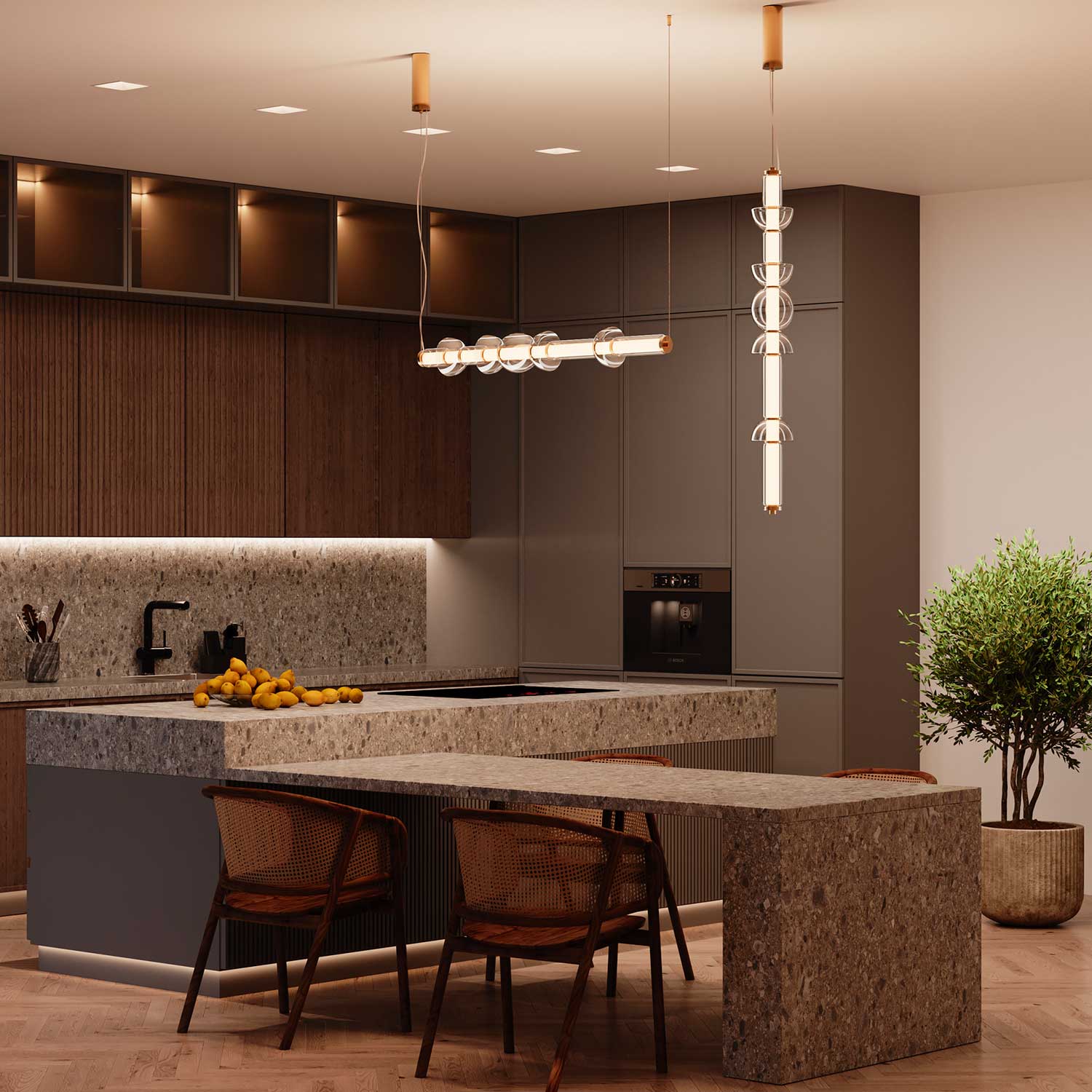
In a kitchen, chocolate brown can appear on the cabinet fronts, island or some upper cabinets. Combined with a light countertop and a mineral backsplash, it creates a rich kitchen without necessarily making it dark.
In the dining room, a large dark wood table makes it easy to introduce this color naturally. It can be paired with beige, cream or lightly colored chairs to lighten the overall look.
This palette works particularly well in open-plan spaces, as brown can visually define certain areas while remaining neutral enough to interact with the rest of the room.
Which luminaires should be paired with chocolate brown?
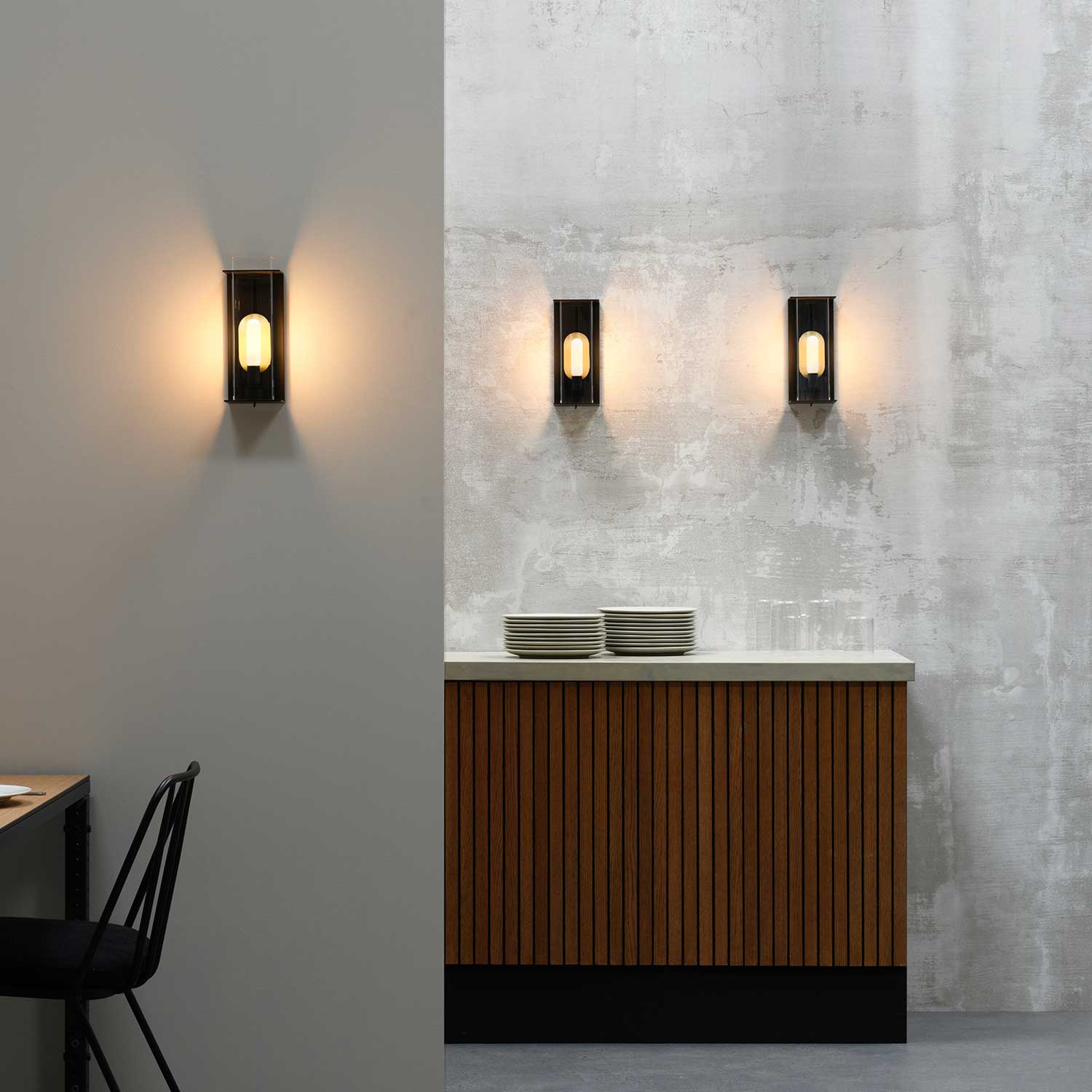
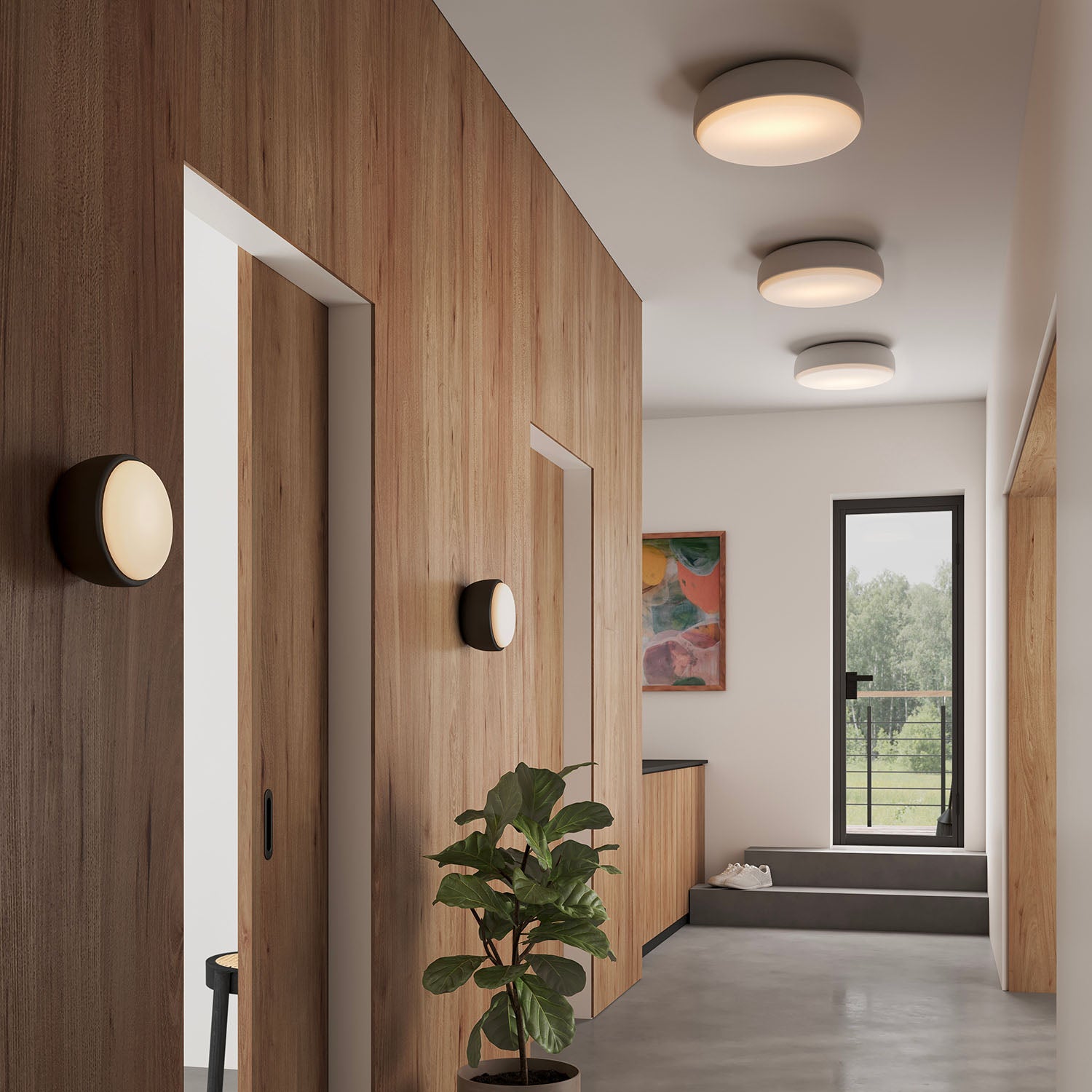
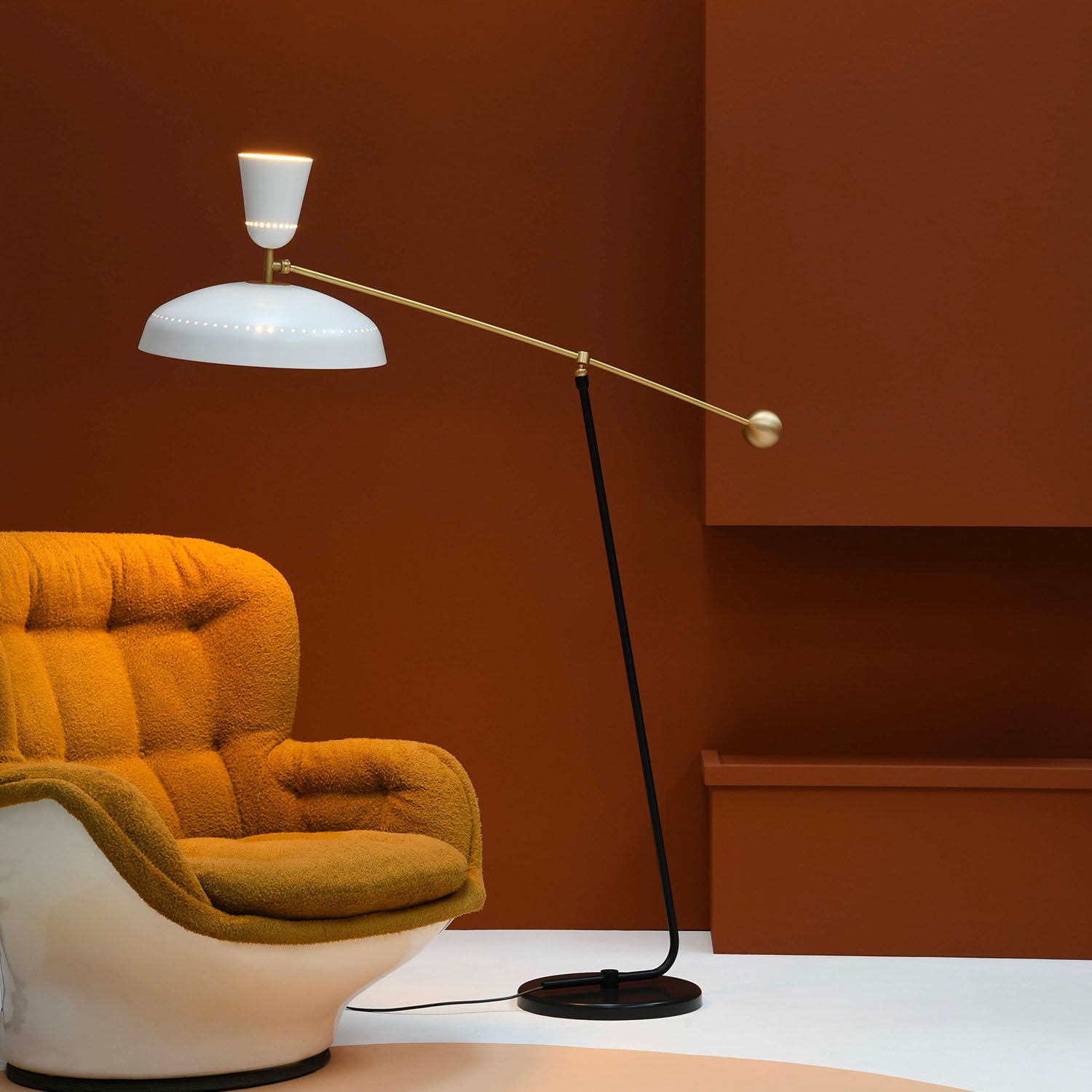
Luminaires can either blend into a chocolate-toned décor or create contrast. A designer pendant light in smoked glass, metal, brass or a dark finish can perfectly complement a dining room dominated by brown. In the living room or bedroom, table lamps add several light sources at eye level and enhance the warm atmosphere. A colour temperature of around 2700 K is particularly suitable for browns, wood and beige tones, as it highlights their warm shades rather than cooling them down.

Mistakes to avoid with chocolate brown
The main mistake is using only dark shades. A dark floor, chocolate-coloured walls, dark furniture and heavy curtains can end up absorbing a large amount of light. It is therefore important to retain a few light surfaces.
You should also avoid choosing all the materials in exactly the same shade of brown. The appeal of this colour lies precisely in its variations: cocoa, coffee, tobacco, hazelnut or dark wood can coexist as long as the palette remains controlled.
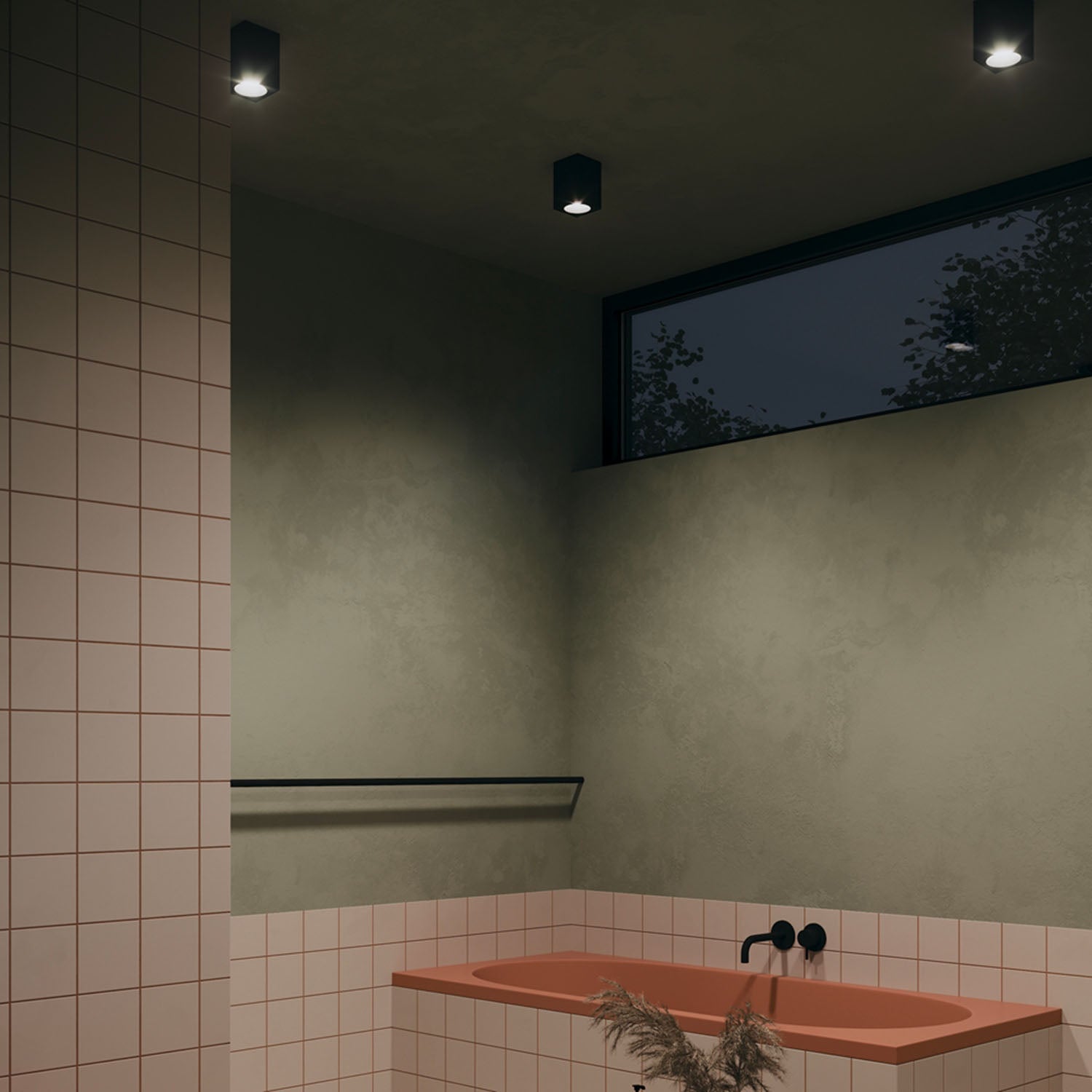
Another pitfall is using light that is too cool. Very cool white lighting can tone down the warmth of brown and make certain shades appear duller. The colour temperature of the luminaires should therefore be considered a genuine component of the décor.
Finally, chocolate brown does not need to be paired only with neutral colours. A few touches of olive green, deep blue, burgundy or pink can instead make the décor much more personal.
Chocolate brown: a warm alternative to black
Using chocolate brown in an interior creates contrast and depth without systematically resorting to black. This colour has enough presence to structure a room while maintaining a warm atmosphere.
On a wall, a sofa, a piece of furniture or simply in a few decorative elements, it works just as well in a contemporary interior as in a more traditional home. The key is to balance it with lighter surfaces, natural materials and several levels of lighting.
Used correctly, chocolate brown does not make an interior feel darker; it adds depth, warmth and character.


Leave a comment
This site is protected by hCaptcha and the hCaptcha Privacy Policy and Terms of Service apply.