
How can you turn a pergola into a true outdoor room?
A pergola can be much more than a simple shelter from the sun. When designed as a true outdoor room, it becomes a natural extension of the home: a dining area, summer lounge, reading nook, or entertaining space. To arrange it successfully, you need to consider circulation, furniture, materials, sun protection, plants, and of course lighting. The goal is to enjoy the comfort of an indoor room outdoors without losing the connection with the garden.
- Define the pergola’s primary function
- Position the pergola correctly in relation to the house
- Choose flooring that structures the space
- What furniture makes a pergola comfortable?
- Create several areas without overcrowding
- Manage shade, sunlight, and bad weather
- Integrate plants around the pergola
- How do you light a pergola?
- Create a decor that complements the home
- Mistakes to avoid

Define the pergola’s primary function
Before choosing the furniture, you need to decide how the pergola will be used day to day. A pergola arranged as an outdoor lounge does not require the same layout as a space mainly dedicated to dining.
For a dining area, priority will be given to the table, chairs, and easy access to the kitchen. For a summer lounge, the layout will focus more on comfortable seating, a coffee table, and several light sources. If space allows, both functions can coexist, provided clearly defined areas are maintained.
This planning also helps prevent the pergola from being filled with too much furniture. As with an indoor room, there is no need to occupy every available space.
Position the pergola correctly in relation to the house
A pergola installed directly as an extension of the living room or kitchen is generally easier to use. It then becomes a transition between the interior and the garden, rather than an isolated space at the back of the property.
When the pergola is close to the kitchen, the outdoor dining area becomes more practical. If it extends the living room, it can become a true second entertaining room during warm weather.
Its orientation should also be carefully considered. A south-facing pergola can be very pleasant but may require effective sun protection in summer. A west-facing aspect provides beautiful light at the end of the day, but can also lead to significant heat in the evening.

Choose flooring that structures the space
Flooring plays an important role in making a pergola feel like a room in its own right. A stone, porcelain stoneware, wood, or composite deck creates a stable visual foundation and clearly distinguishes the space from the rest of the garden.
To strengthen the continuity between indoors and outdoors, it may be worth choosing a shade or material similar to that of the adjoining room. It is not necessary to use exactly the same flooring, but consistency in color or texture is enough to create a natural transition.
An outdoor rug can also help define a lounge area. It visually brings together the sofa, armchairs, and coffee table while creating a more comfortable feel.
What furniture makes a pergola comfortable?
Furniture should be chosen as it would be for an indoor room, but with materials suited to outdoor use. A pergola lounge can accommodate a sofa, several armchairs, a coffee table, and a few side tables, while a dining area needs a table large enough to remain comfortable without blocking passageways.
Proportions are essential. In a small pergola, furniture that is too bulky quickly creates a cluttered impression. Conversely, in a large structure, a few small, scattered pieces can lack cohesion.
It is often better to choose fewer, well-proportioned pieces and then add a few accessories: cushions, textiles, lightweight throws, or decorative objects can make the space more welcoming without overcrowding it.
Create several areas without overcrowding
In a large pergola, several functions can coexist. A dining area can be set up near the house, while an outdoor lounge occupies a more open area facing the garden.
To visually separate these areas, there is no need to add partitions. The orientation of the furniture, a rug, a pendant light above the table, or a few differences in materials are generally enough.
Above all, circulation between the house, pergola, and garden should remain easy. A table placed in line with a glass door or a sofa too close to a passage can become inconvenient in everyday use.
Manage shade, sunlight, and bad weather
The comfort of an outdoor pergola depends largely on its ability to adapt to weather conditions. A bioclimatic pergola allows you to adjust the shade using its adjustable slats, while a traditional structure can be supplemented with a canopy, side blinds, or climbing plants.
Side protections can also limit wind and low-angle sunlight. They are particularly useful when the pergola faces west or is installed in a very open area.
However, avoid closing off the space completely. A pergola should retain a direct connection with the garden and good air circulation.
Integrate plants around the pergola
Plants soften the structure and help integrate the pergola into its surroundings. Plantings can be installed around the posts, along a wall, or in large pots placed at the ends.
Climbing plants can also provide shade and create a more natural atmosphere, particularly on a traditional pergola. However, species should be chosen according to their growth and the level of maintenance desired.
A few well-positioned large plants generally create a more elegant result than an accumulation of small pots. They can also help create a transition between the terrace, pergola, and garden.
How do you light a pergola?
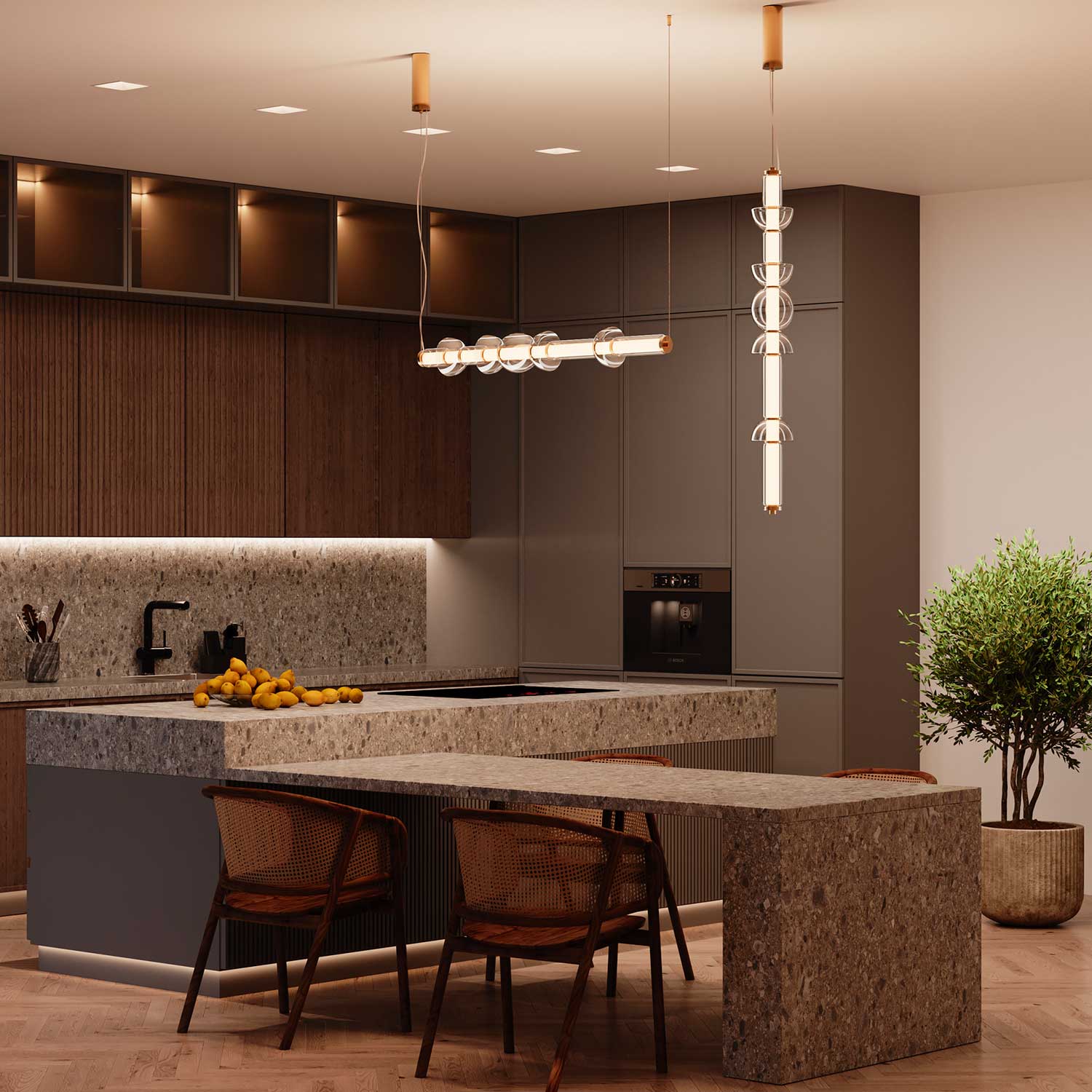
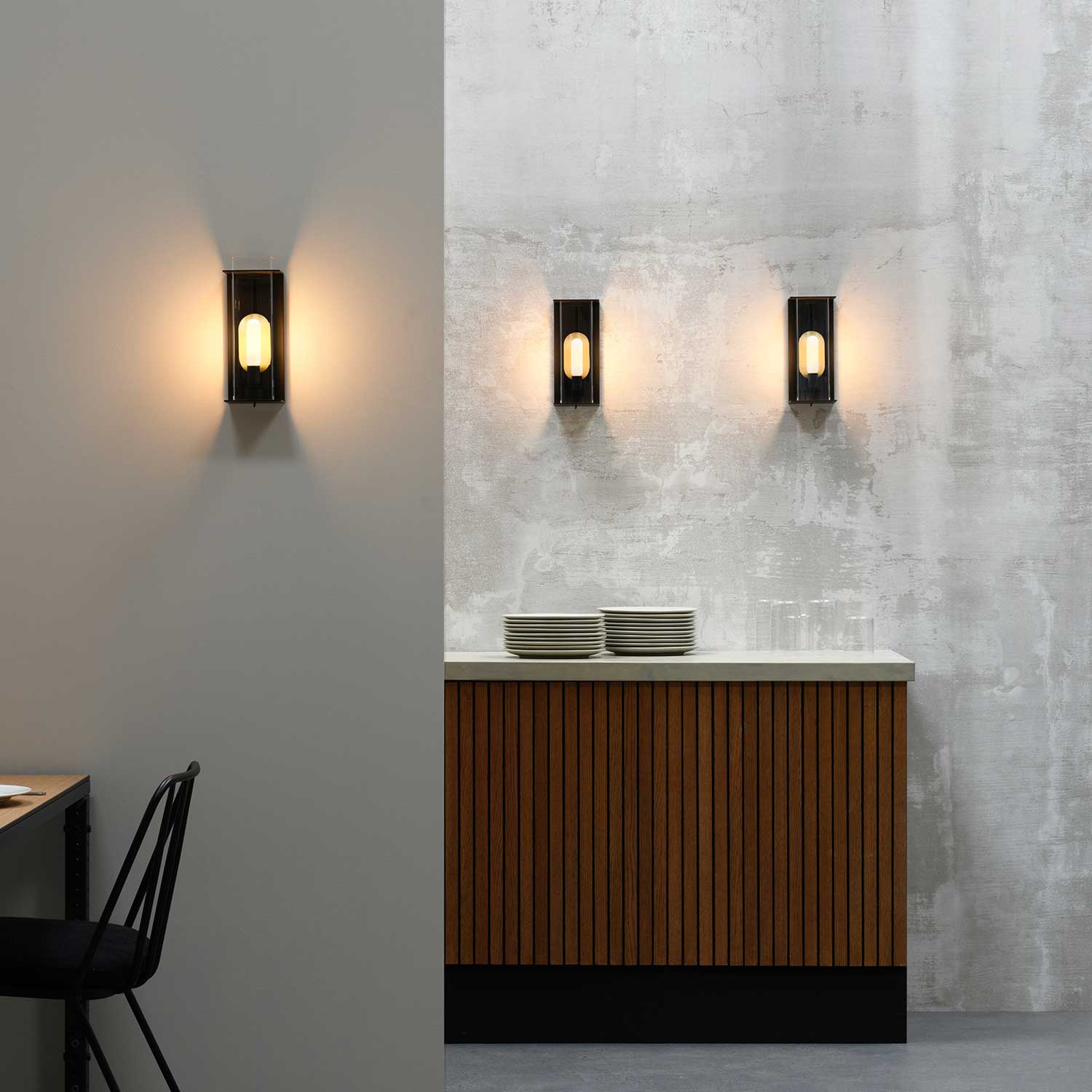
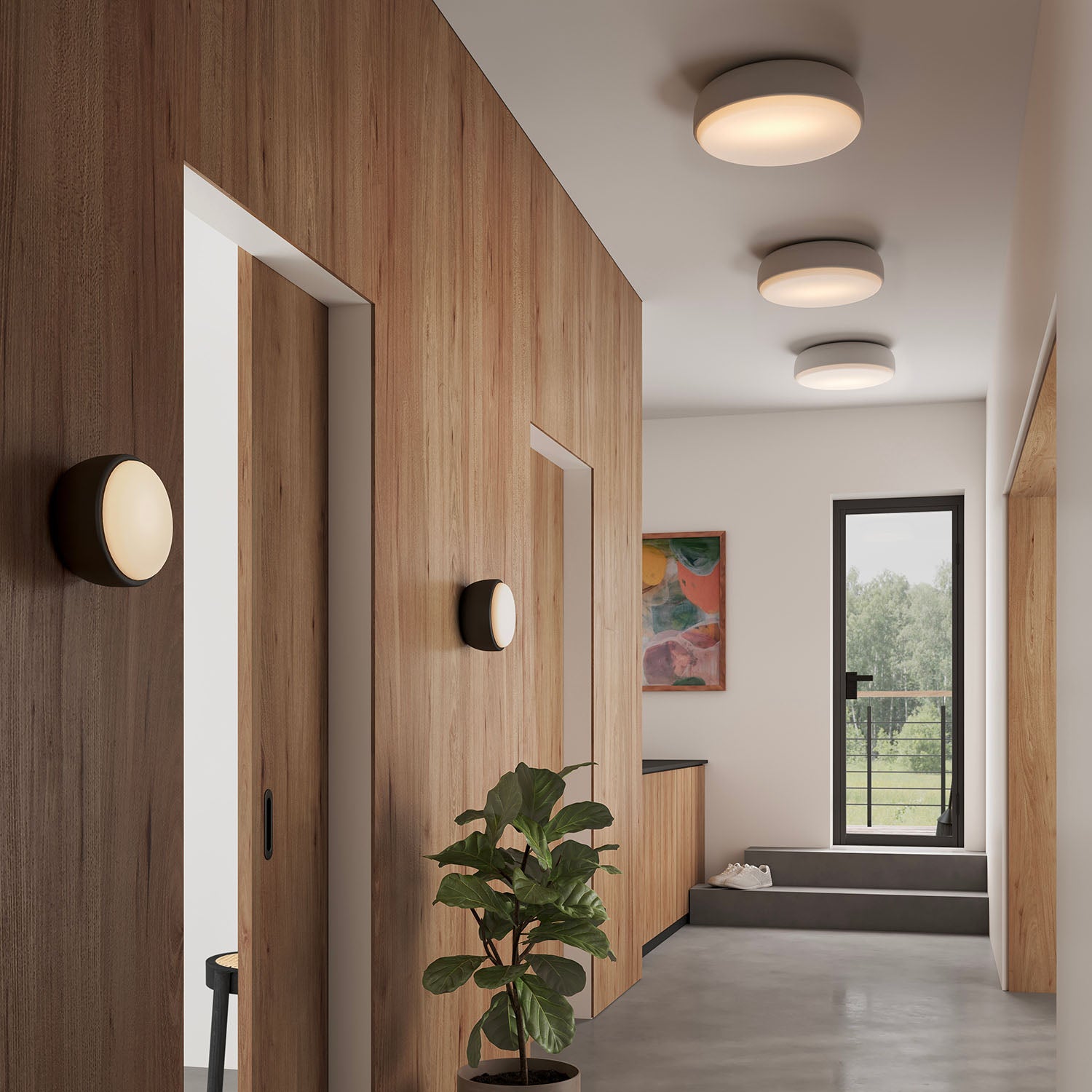
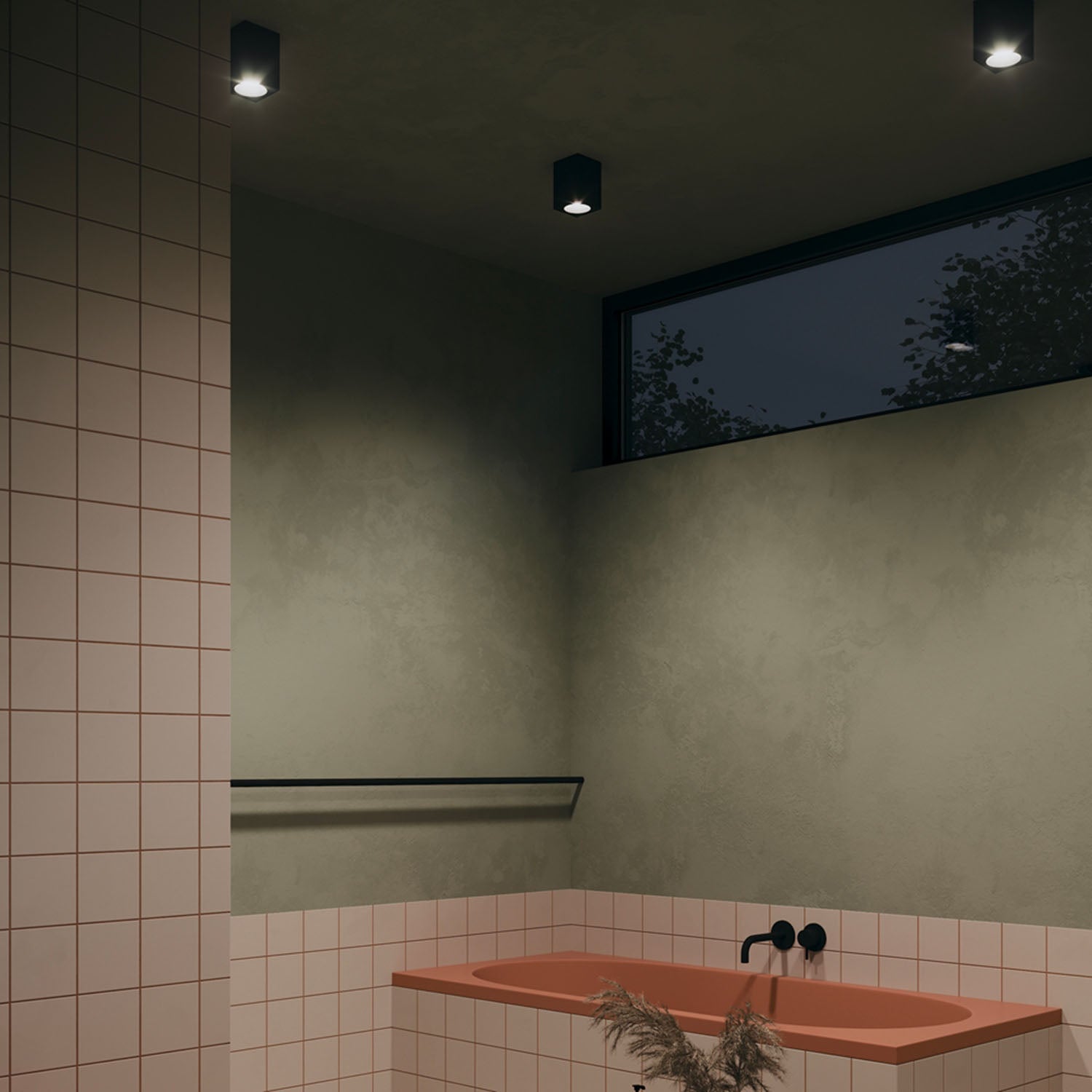
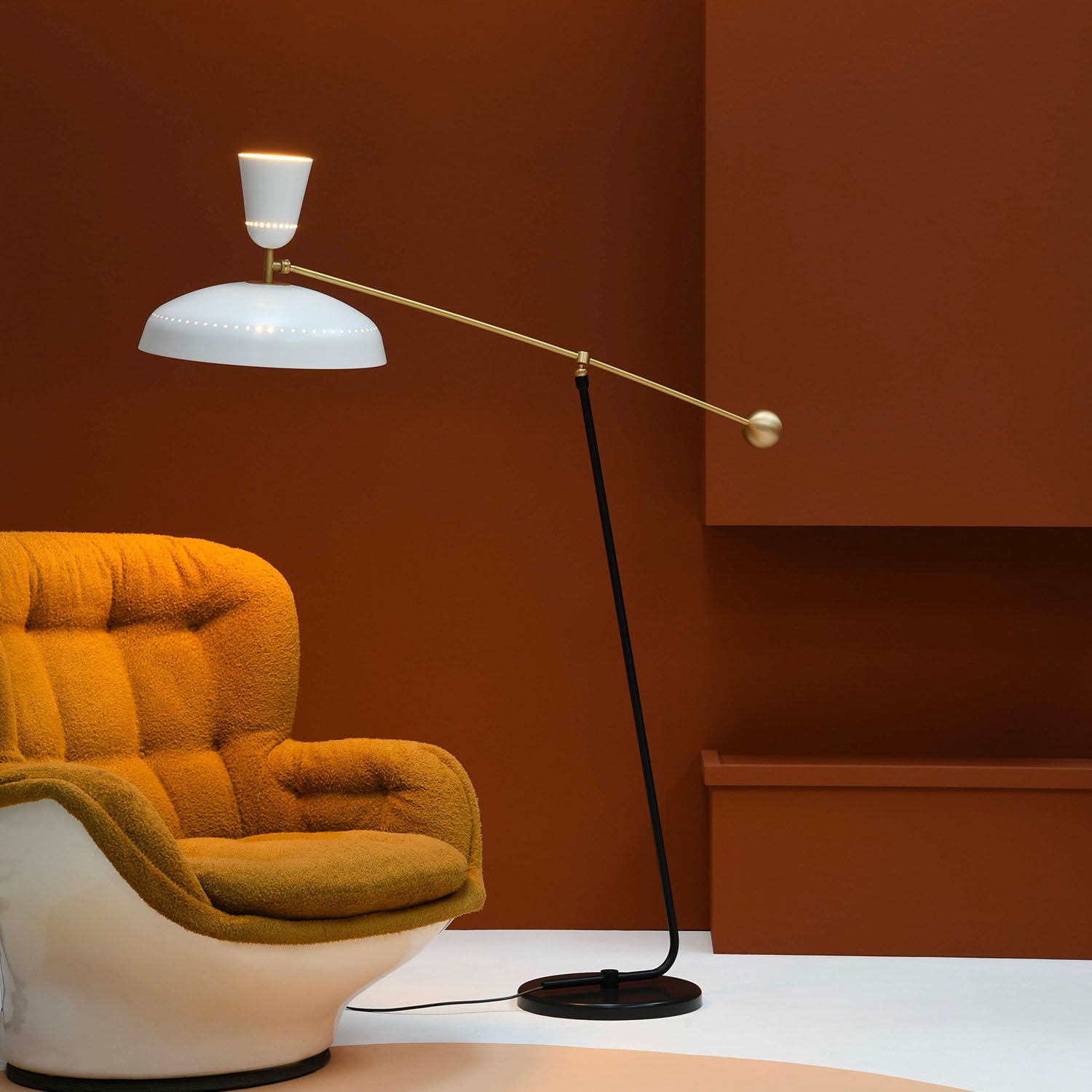
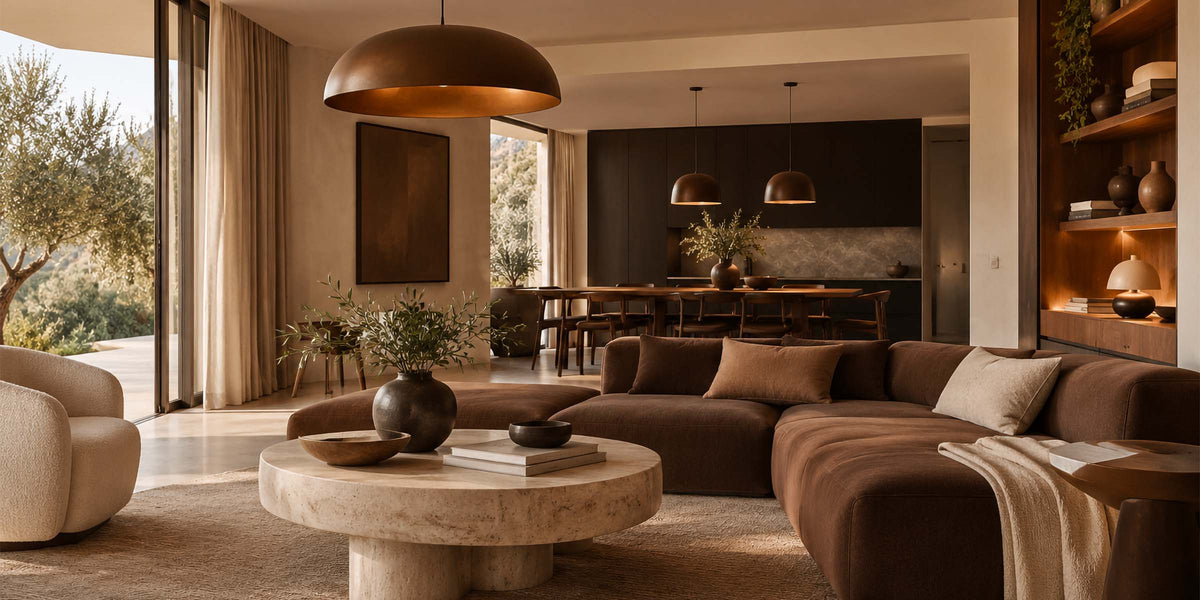
Pergola lighting should allow for several moods. Above the table, an outdoor pendant light can become the focal point of the layout while providing direct lighting for meals. In the lounge area, lower light sources create a softer atmosphere: several table lamps can be placed on a console, coffee table, or side table to recreate the warm atmosphere of an indoor lounge. Wall lights, spotlights, or integrated lighting can then complete the setup for walkways. Warm light, generally around 2700 K, is particularly well suited to maintaining a welcoming atmosphere in the evening.

Create a decor that complements the home
For the pergola to truly resemble an extension of the interior, it is worth echoing certain elements already present in the home. A type of wood, a color, a metal finish, or a particular textile can create a visual connection between the two spaces.
There is no need to reproduce the indoor lounge exactly. Outdoor decor can be lighter and more natural, but it should retain a certain consistency with the architecture of the home.
Sand, beige, terracotta, olive green, and natural wood tones work particularly well in an outdoor environment, but deeper colors can also be used to create contrast.

Mistakes to avoid when arranging a pergola
The first mistake is to consider the pergola merely as a space for placing a table and a few chairs. Without a proper layout, it remains a simple covered terrace rather than an outdoor room.
You should also avoid adding too much furniture, especially in a small area. Excess furniture restricts circulation and quickly creates a cluttered impression.
Another common mistake is planning for only one light source. A very powerful pendant light in the center of the pergola may be enough for dining, but it rarely creates a pleasant atmosphere for a more relaxed evening. Several light sources offer much more flexibility.
Finally, it is best to plan the electrical system, outlets, lighting, and any motorized blinds from the outset. Adding them later often results in visible cables or less elegant solutions.
Turn the pergola into a true extension of the home
To arrange a pergola as a true outdoor room, it must be designed with the same care as an indoor lounge or dining room. Function, furniture, circulation, materials, plants, and lighting should work together.
A successful pergola does not try to reproduce the interior of the home exactly. Instead, it adopts its comfort and layout logic while preserving what makes an outdoor space appealing: natural light, fresh air, plants, and proximity to the garden.
When properly arranged, it becomes one of the most enjoyable rooms in the home for much of the year, equally suited to meals, relaxing moments, and evenings with friends.


Leave a comment
This site is protected by hCaptcha and the hCaptcha Privacy Policy and Terms of Service apply.