
How to light a veranda?
Lighting a veranda requires a different approach than a classic living room. During the day, this room often benefits from beautiful natural light thanks to the glazing. But in the evening, it can quickly become dark, cold, or difficult to use if the lighting has not been properly planned.
Good veranda lighting should create a comfortable atmosphere, limit reflections on the glass, support the room’s use, and adapt to the space’s constraints. Veranda living room, dining room, conservatory, or relaxation room: each setup requires suitable lighting.
In a veranda, you should not just aim to light strongly. You must especially create a soft, well-distributed light capable of making the space pleasant when the glazing no longer lets in natural light.
Summary
- Why is veranda lighting special?
- Define the use of the veranda before choosing the lighting fixtures
- Create comfortable general lighting
- Avoid reflections on glass surfaces
- Lighting a conservatory used as a living room
- Lighting a conservatory used as a dining room
- Add accent lamps to warm up the atmosphere
- Extending lighting to the terrace or garden
- What color temperature should you choose for a veranda?
- Should you choose lighting fixtures suitable for humidity or outdoor use?
- Common mistakes in veranda lighting
- Choosing your lighting fixtures with La Lumiere

Why is veranda lighting special?
A veranda is a separate room. It is often open to the garden, largely glazed, and more exposed to light variations than a traditional living room. During the day, it can be very bright. In the evening, however, the glazing becomes dark or reflective surfaces.
This particularity makes lighting more delicate. Too direct a light can create reflections on the glass. Too weak a light can make the room unwelcoming. Poorly distributed light can create a strong contrast between the lit interior and the dark exterior.
A veranda light fixture must therefore be chosen according to the room’s layout: ceiling height, aluminum or wood structure, presence of a glass roof, veranda use, exposure to cold, humidity, or heat depending on the seasons.
The veranda should remain pleasant to live in during the evening. The goal is not only to compensate for the lack of natural light but to create a soft, balanced atmosphere consistent with the rest of the house.
Define the use of the veranda before choosing the lighting fixtures
Before choosing the lighting fixtures, you need to define the main use of the veranda. A veranda used as a living room does not require the same lighting as a veranda set up as a dining room, conservatory, office, or reading area.
For a living room, the lighting should be soft, enveloping, and comfortable. For a dining room, it should properly illuminate the table without dazzling. For an office, it needs to be more functional. For a conservatory, it can also highlight plants, natural materials, or the view outside.
Modern conservatory lighting often relies on multiple light sources. A single central light can be insufficient or too flat. By combining general lighting, accent lamps, and possibly nearby outdoor lights, you get a livelier atmosphere.
The conservatory is often a transitional space between indoors and outdoors. Its lighting should therefore create a connection with the house, but also with the terrace, garden, or the environment visible through the glass.

Create comfortable general lighting
General lighting makes the conservatory usable in the evening. It should be present enough for moving around, dining, chatting, or enjoying the room, but it should not be too harsh. In a conservatory, overly strong light can quickly create reflections and give a cold impression.
Outdoor ceiling lights for conservatories can be relevant when the room is exposed to humidity, temperature variations, or when it has a structure similar to a covered outdoor space.
A conservatory ceiling light should be chosen based on the available height and ceiling structure. In some conservatories, it is not possible to install a traditional pendant light, especially when the roof is glazed or sloped. A compact, well-diffused ceiling light adapted to the environment can then be more practical.
General lighting does not necessarily have to illuminate the entire room uniformly. It can be complemented by lamps, floor lamps, or lower light points to create a warmer and less technical ambiance.
Avoid reflections on glass surfaces
Glass surfaces are one of the main challenges in lighting a conservatory. In the evening, the windows can reflect interior lights, silhouettes, or overly direct light sources. These reflections can obstruct the view outside and make the atmosphere less pleasant.
To limit reflections, avoid placing strong light sources directly facing the glass. Indirect, side, or lower lighting is often more comfortable. Accent lamps can also help create a soft ambiance without increasing visible reflections.
A conservatory living room lighting should therefore be designed according to viewing angles. You need to consider where people will be sitting, what they will be looking at, and which glass surfaces might reflect the light.
Reflections can also be reduced by multiplying low-intensity sources rather than using a single very powerful light. This solution helps distribute the light better and makes the conservatory more pleasant in the evening.

Lighting a conservatory used as a living room
When the conservatory serves as a living room, the lighting should promote relaxation. Sofa, armchairs, coffee table, rug, plants, and garden view often make a calmer space than the main living room. The light should support this atmosphere.
In a conservatory living room, it is best to avoid light coming only from the ceiling. It can create a too direct atmosphere, especially if the glass reflects the source. Accent lamps, floor lamps, and softer light at human height often give better results.
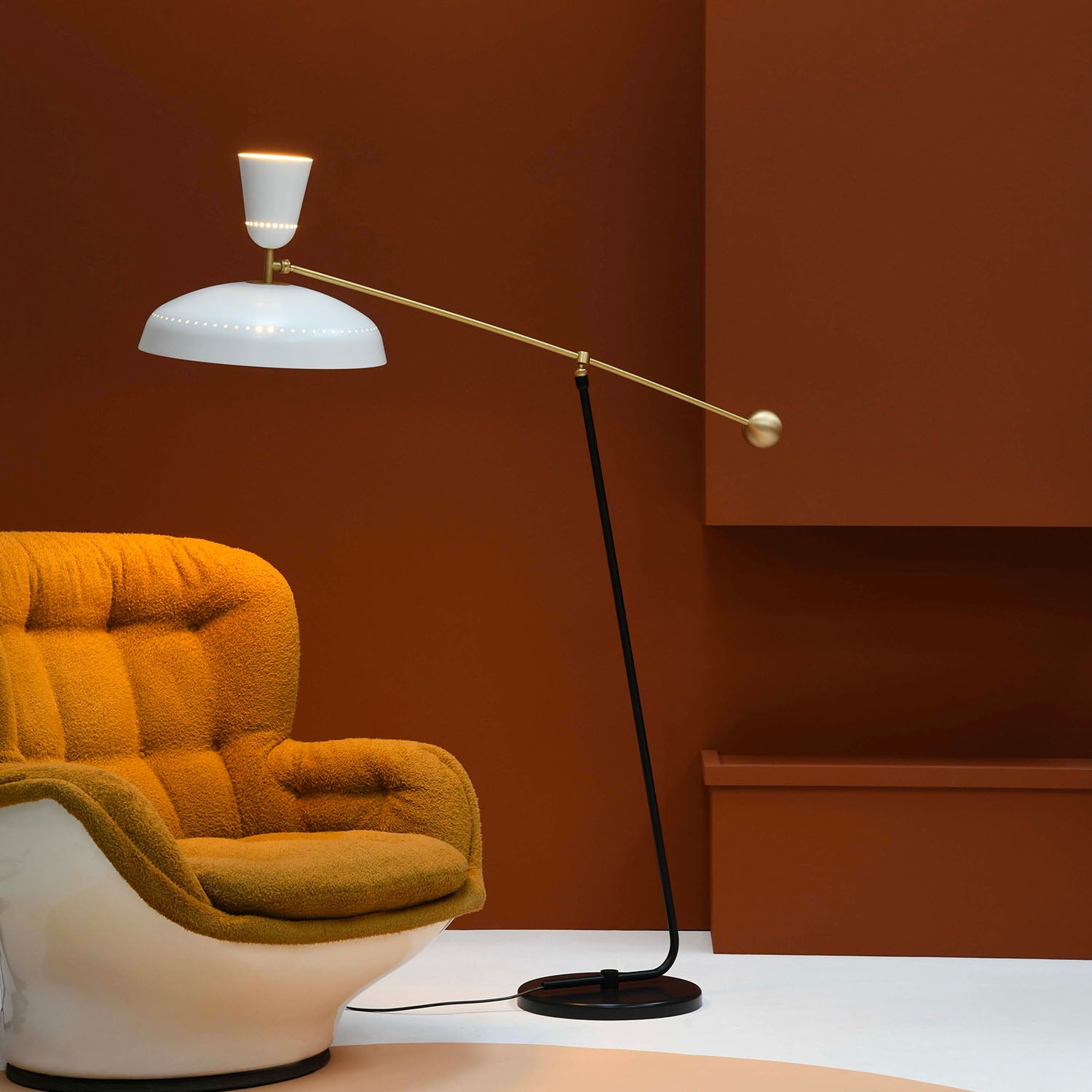
A conservatory lamp can be placed on a side table, a console, or a low piece of furniture to create a warm light point. This light closer to the furniture makes the space more welcoming and less dependent on general lighting.
If the conservatory has plants, the light can also highlight them. Soft lighting on the foliage, a wall, or a plant corner helps create a winter garden atmosphere, even when night falls.
Lighting a conservatory used as a dining room
A conservatory can also become a very pleasant dining room, especially when it overlooks the garden. In this case, the table becomes the center of the room and must be carefully lit.
The light should allow guests to see plates, glasses, and dishes without dazzling them. If the structure allows, a pendant light can be considered above the table. But in many conservatories, the roof or height does not always permit this installation.
In this case, a well-diffused ceiling light, complemented by accent lamps or side fixtures, may be more suitable. The goal is to create pleasant lighting around the meal without turning the conservatory into a space that is too bright or too cold.
Warm light is often preferable for a dining room in a conservatory. It makes meals more welcoming and reduces the feeling of contrast with the dark outside.
Add accent lamps to warm up the atmosphere
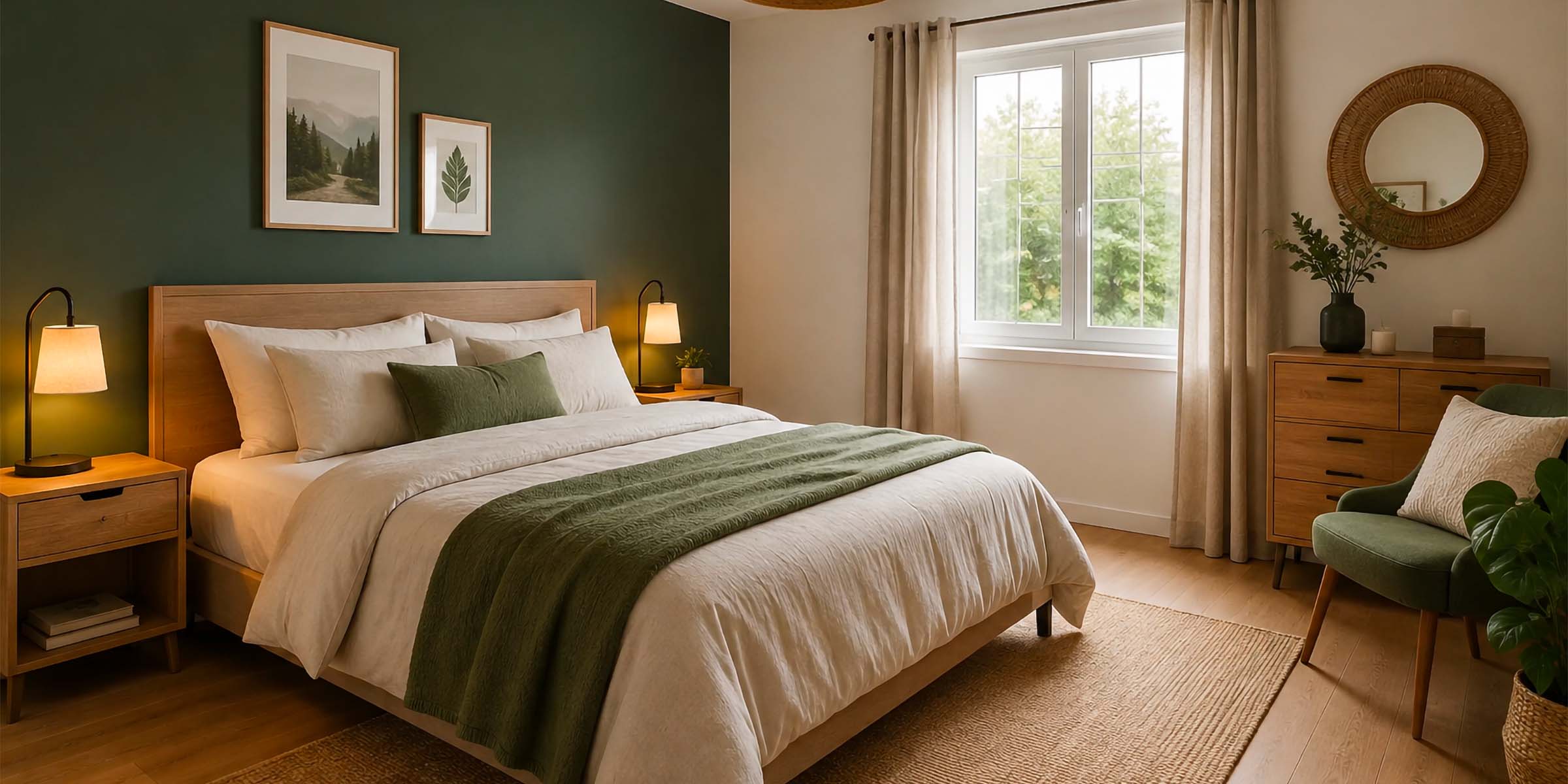
Accent lamps are particularly useful in a conservatory. They add softer light, closer to everyday use, and create a more intimate atmosphere in the evening.
Wireless lamps for conservatories are very practical when outlets are limited or when you want to move the light depending on the time: near an armchair, on a coffee table, on a console, or in a reading corner.
Wireless lamps are also useful in conservatories where the electrical installation has been kept minimal. They allow you to add light points without any work, while maintaining great freedom in layout.
By multiplying auxiliary light sources, the veranda becomes cozier. Light no longer comes only from the ceiling but from several heights: table, furniture, floor, or room corner. This arrangement makes the space more lively.
Extending lighting to the terrace or garden
A veranda is often visually open to the outside. In the evening, if the interior is lit but the garden remains completely dark, the contrast can be strong. The veranda may then feel like a closed space, even though it is designed to create a connection with the outdoors.
Outdoor floor lamps around a veranda can extend the light to the terrace, garden, or house surroundings. They create a smoother transition between the lit interior and the outside.
This approach is especially interesting if the veranda overlooks a garden lounge, terrace, pool, or pathway. Outdoor lighting prevents the “black glass” effect and helps maintain visual depth after nightfall.
To learn more about lighting outdoor spaces, you can consult our dedicated guide: how to properly arrange your terrace and garden for summer.
What color temperature should you choose for a veranda?
Color temperature strongly influences the ambiance of a veranda. Too cold a light can enhance the feeling of a glazed space, sometimes a bit technical or impersonal. Too warm a light can be pleasant, but it must remain bright enough to keep the room functional.
For a veranda used as a living room or dining room, warm light is often the most suitable. It creates a welcoming atmosphere, softens reflections, and makes the space more comfortable in the evening.
For a veranda used as an office, a slightly more neutral light can be helpful to promote concentration and reduce eye strain. However, avoid overly white light if the room is also used for relaxation.
Ideally, maintain consistency with the adjacent rooms. If the veranda extends the living room, the color temperature should remain harmonious with the indoor lighting to avoid a strong break between the spaces.
Should you choose lighting fixtures suitable for humidity or outdoor use?
Not all verandas have the same constraints. Some are perfectly insulated and behave almost like an indoor room. Others are more exposed to temperature variations, condensation, humidity, or frequent openings to the outside.
Therefore, you must choose lighting fixtures according to the reality of the veranda. If the room is heated, well insulated, and fully protected, indoor lighting fixtures may sometimes be suitable. If the veranda is more exposed, it may be better to select fixtures designed for outdoor or semi-outdoor use.
The question of the IP rating may arise, especially in verandas near a terrace, pool, summer kitchen, or very humid area. The lighting fixture must be suitable for its exact location.
You should not only look at the style of the lighting fixture. You need to check its recommended use, durability, ease of maintenance, and compatibility with the veranda’s environment.

Common mistakes in veranda lighting
The first mistake is installing a single, overly strong light in the center of the veranda. This solution can illuminate the space, but it often creates reflections on the glass and an unwelcoming atmosphere.
The second mistake is neglecting supplementary lamps. In a veranda, low and secondary light sources are essential to warm the atmosphere and make the space more pleasant in the evening.
The third mistake is choosing light that is too cold. It can make the veranda less welcoming, especially when it is dark outside. Warm or slightly warm light is often more comfortable.
The fourth mistake is forgetting the exterior visible from the veranda. If the garden remains completely dark, the glass can become black, reflective surfaces. Soft outdoor lighting can improve the perception of space.
Finally, avoid choosing a lighting fixture without considering the veranda’s structure. Glass roof, sloped ceiling, beams, aluminum, wood, or lack of electrical points can affect the possible solutions.
Choosing your lighting fixtures with La Lumiere
Lighting a veranda requires finding the right balance between indoor comfort and outdoor constraints. The light should make the room pleasant in the evening, limit reflections, support activities, and visually extend the space towards the terrace or garden.
At La Lumiere, we offer lighting fixtures suitable for verandas, terraces, gardens, glazed living spaces, and transition areas: outdoor ceiling lights, wireless lamps, outdoor floor lamps, and supplementary solutions to create a comfortable atmosphere.
Before choosing, you need to define the main use of the veranda, check the space constraints, and combine several levels of lighting. It is this combination that transforms a bright veranda during the day into a truly pleasant living space in the evening.

Leave a comment
This site is protected by hCaptcha and the hCaptcha Privacy Policy and Terms of Service apply.