
Ceramic lighting fixtures: how to choose them and incorporate them into your decor?
Long associated with traditional interiors, ceramic lighting fixtures are now experiencing a true revival in contemporary decor. This artisanal material appeals with its authenticity, subtle textures, and ability to diffuse a soft, warm light. Pendant lights, wall sconces, or table lamps thus become genuine decorative elements, capable of shaping the atmosphere of a room while adding a strong aesthetic dimension.
In this article, discover why to choose ceramic for your lighting, how to harmoniously integrate it into different decorative styles, and which lighting fixtures to prioritize depending on the rooms in your home.

Why choose ceramic lighting fixtures?
Opting for a ceramic lighting fixture means choosing a material that is both aesthetic and timeless. Handcrafted or made using artisanal processes, ceramic offers unique finishes that cannot be identically reproduced industrially. Each piece thus presents slight variations in texture or shade that enhance its decorative character.
Beyond its visual aspect, ceramic also has excellent qualities for light diffusion. It allows for creating a soft, muted light, ideal for establishing a calming atmosphere in living spaces. This gentle lighting explains its growing success in interior design projects seeking visual comfort and a warm ambiance.
To explore different models and inspirations, you can browse our collection dedicated to ceramic lighting fixtures, which brings together pendants, sconces, and decorative lamps suited to many styles.
Which decorative styles highlight ceramic?
Ceramic has the rare advantage of fitting into very varied decorative universes. In a Mediterranean interior, it immediately evokes traditional craftsmanship and mineral tones inspired by the south. In a Japandi or wabi-sabi setting, it emphasizes the simplicity of shapes and the beauty of raw materials.
Contemporary decorations also appreciate decorative ceramic lighting for its ability to soften minimalist lines. Combined with clean volumes, it adds relief and depth without breaking the visual balance. Finally, country chic or bohemian style interiors fully benefit from its authentic character, which enhances the feeling of comfort and naturalness.
Some iconic manufacturers contribute significantly to this return of ceramic in decorative lighting. This is notably the case with the Italian brand available through this collection Ferroluce, known for its creations blending artisanal tradition and expressive design.

Which ceramic lighting fixture for each room?
In the living room, a ceramic pendant often serves as the room’s focal point. Placed above a coffee table or in the center of the space, it diffuses an enveloping light conducive to relaxation. Ceramic table lamps perfectly complement this lighting by creating more intimate light zones.
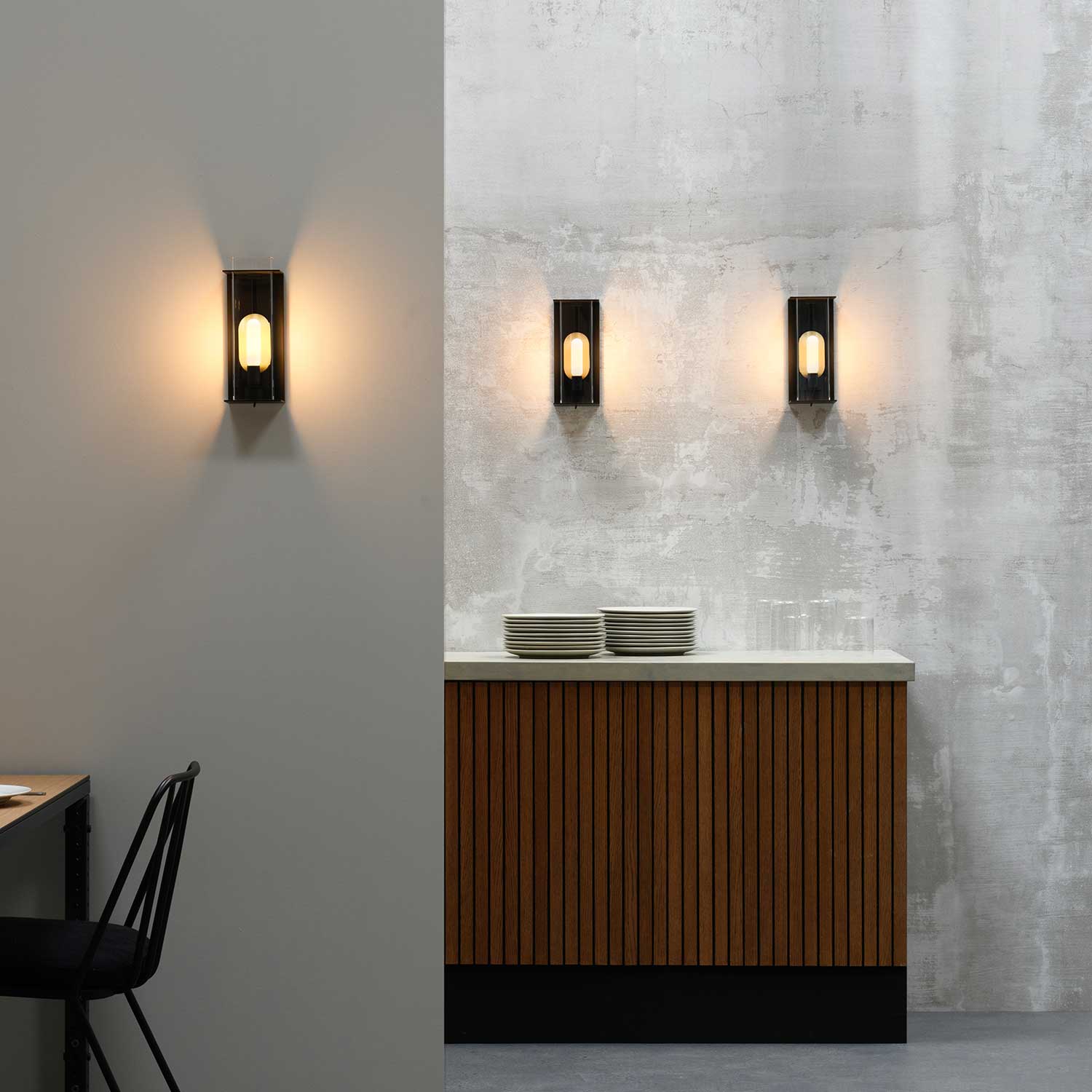
In a bedroom, the ceramic lamp for ambient lighting is a particularly relevant choice. Installed as a bedside lamp or wall sconce, it produces a soft light favorable to rest while contributing to the overall decoration of the room.
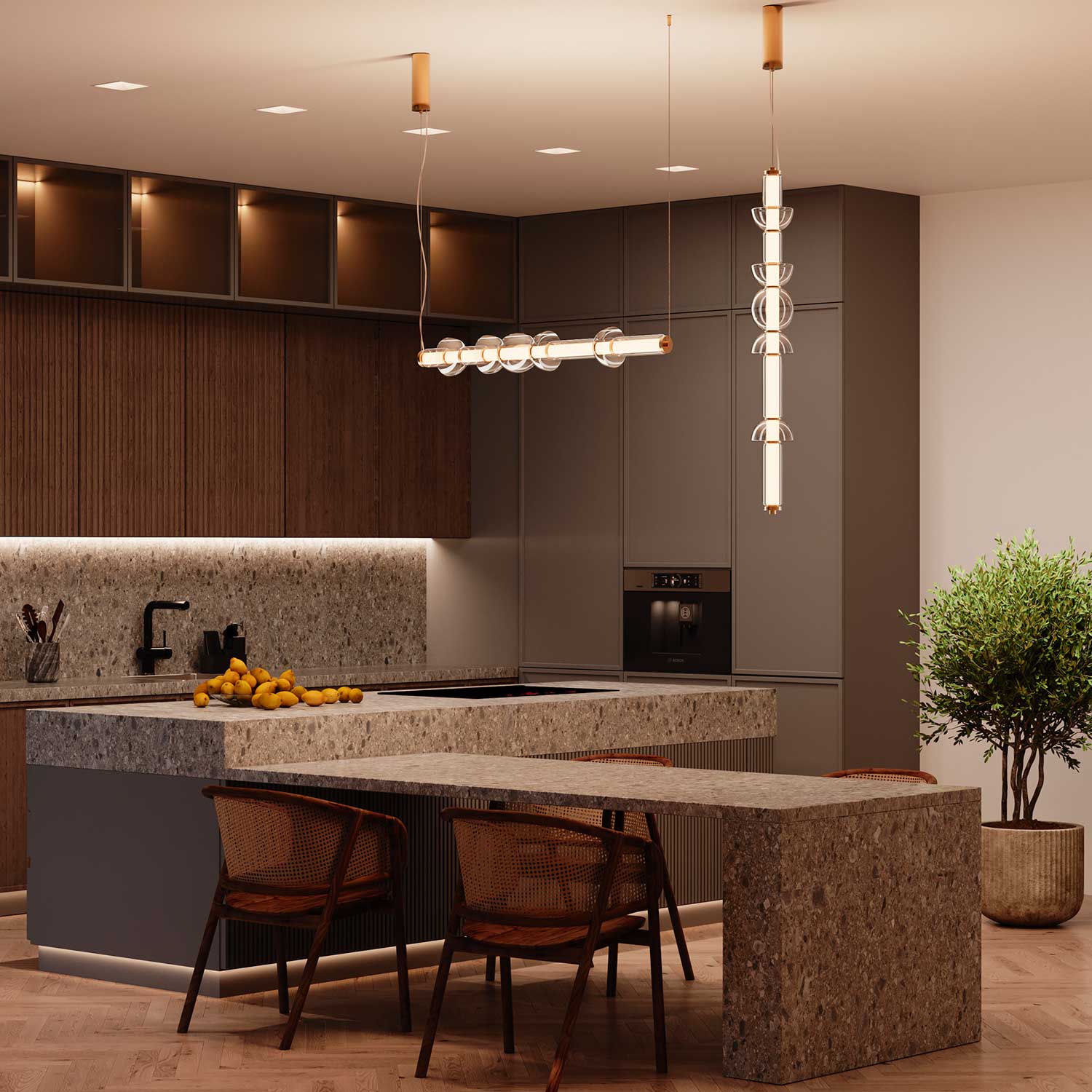
The kitchen and dining room can also welcome ceramic, especially in the form of pendants positioned above a work surface or table. Their presence brings warmth and character while maintaining excellent visual clarity for daily use.
How to combine ceramic with other materials?
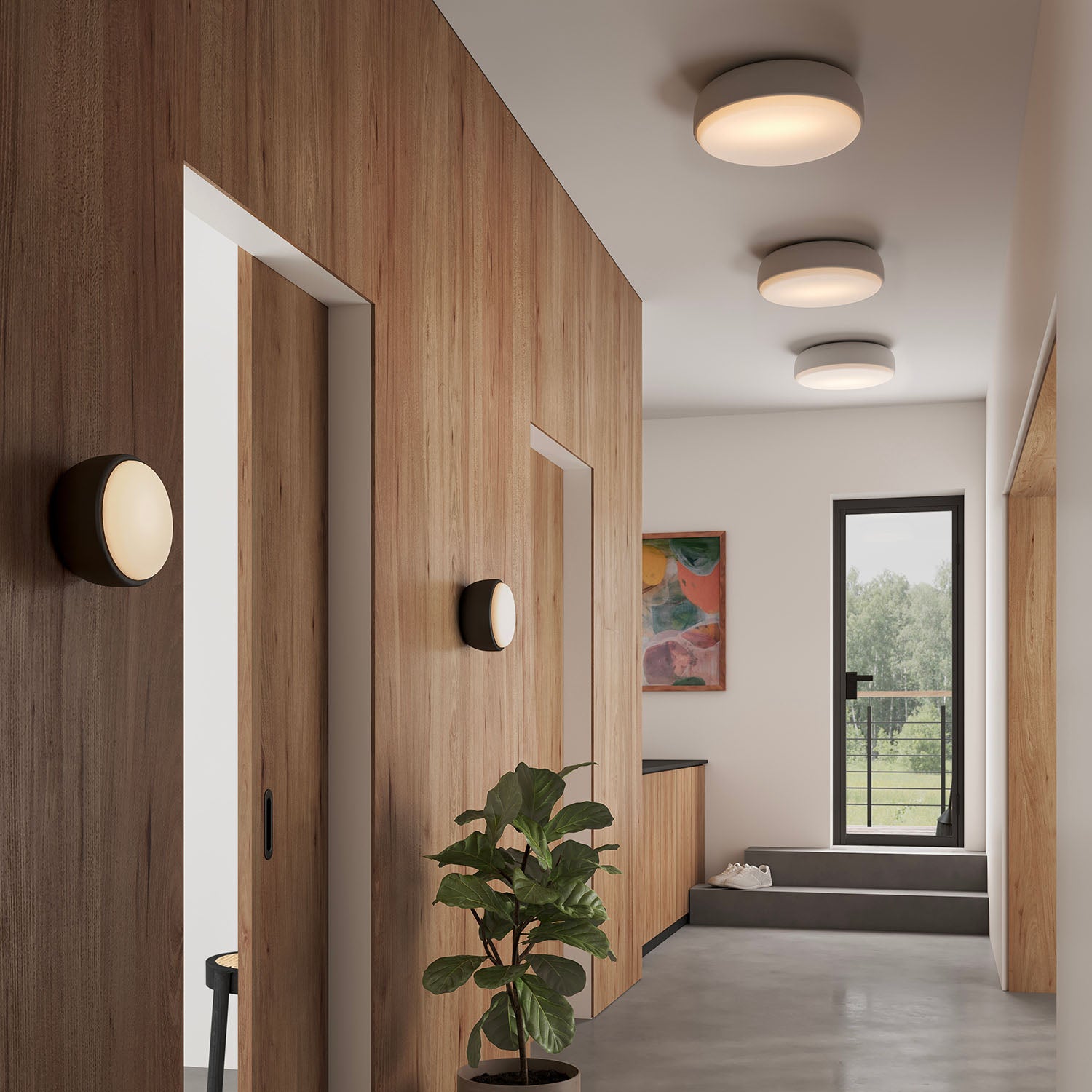
One of the great strengths of ceramic design lighting fixtures lies in their ability to interact with other materials. Paired with light wood, ceramic enhances a natural and calming atmosphere. Combined with black metal or brass, it creates an elegant contrast that highlights the fixture’s modernity.
Textiles like linen or cotton further soften the overall decor. This combination works particularly well in bedrooms or living rooms, where the pursuit of visual and sensory comfort is essential. Finally, integrating mineral surfaces such as stone, terrazzo, or concrete highlights the artisanal dimension of ceramic while maintaining aesthetic coherence.
Selection of ceramic lighting fixtures
To incorporate this material appropriately, it is recommended to favor simple shapes and natural tones. Pendants with organic lines are perfect for living areas, while wall sconces subtly structure circulation areas or resting spaces.
For example, the wall sconce Bumbum Wall perfectly illustrates ceramic’s ability to create a soft, decorative relief while diffusing an enveloping light. In the pendant category, the Afoxe pendant charms with its rounded volumes and visual balance, ideal for accompanying a dining table or structuring a living room.

Table lamps, more discreet, allow introducing ceramic in successive touches. This gradual approach facilitates decorative balance and avoids any visual overload. The goal remains to highlight the material without dominating the entire interior design.
Conclusion
At the crossroads of craftsmanship and contemporary design, ceramic lighting fixtures are now an ideal solution for creating warm and elegant lighting atmospheres. Their richness of textures, softness of diffusion, and decorative versatility make them essential elements of interior lighting.
Whether installed in a living room, bedroom, or dining room, these fixtures bring a sensitive and authentic dimension to each space. Well chosen and harmoniously combined with other materials, they fully contribute to creating a balanced, bright, and long-lasting interior.



Leave a comment
This site is protected by hCaptcha and the hCaptcha Privacy Policy and Terms of Service apply.