
Why Your Outdoor Lighting Is Ineffective
Poorly planned outdoor lighting is a very common issue. Many gardens, terraces, or entrances are equipped with fixtures… but the result remains disappointing. Shadowy areas, overly bright light, cold atmosphere, or lack of visibility: ineffective outdoor lighting can harm comfort, safety, and aesthetics alike.
In most cases, the problem does not come from the equipment but from how the light is used. Incorrect power, poor distribution, or wrong choice of fixtures: a few mistakes are enough to completely ruin the effect. Here are the main reasons why your outdoor lighting isn’t working properly, and especially how to fix it.

Incorrect power level
The primary cause of ineffective outdoor lighting is often related to power. Light that is too weak does not allow proper visibility, while light that is too strong creates a harsh and dazzling effect.
Contrary to popular belief, you shouldn’t try to light as if it were broad daylight. The goal is to achieve balanced lighting, adapted to each area: softer for a terrace, more functional for an entrance or pathway.
Poor light distribution
A single light point is never enough outdoors. Installing a single lamp to light an entire area creates too much contrast and leaves shadowy spots.
Good garden lighting relies on an intelligent distribution of multiple light sources. This avoids overly dark areas while maintaining a pleasant atmosphere.

Too few light points
Many outdoor installations simply lack enough fixtures. The result: some areas are well lit, but others remain unusable.
It’s better to multiply low-power light sources rather than use a single very strong light. This approach creates more even and comfortable lighting.
Misaligned light
The direction of the light is essential. Light aimed at the eyes dazzles, while poorly placed light can create annoying shadows.
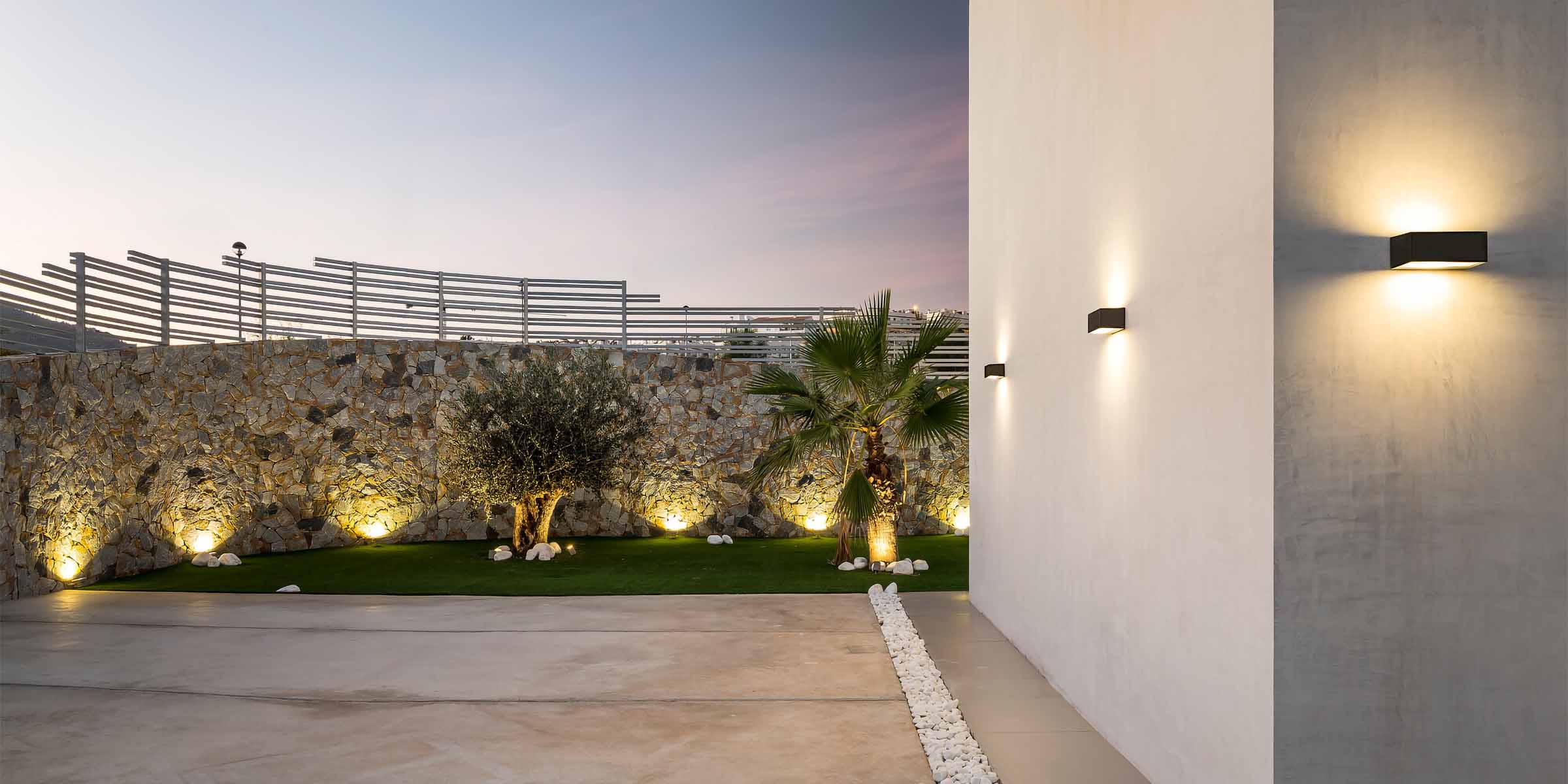
Well-oriented outdoor lighting should highlight shapes without hurting the eyes. For example, lighting a wall or the ground is often more effective than lighting the space directly.
Inappropriate color temperature
Light that is too cold is a common mistake. It produces a white, harsh effect that is unpleasant in an outdoor environment.
For a garden or terrace, it’s better to choose warm light, between 2700K and 3000K. This creates a more welcoming and natural atmosphere.

Poorly chosen fixtures
The choice of fixtures plays a key role. Using a type of fixture unsuitable for the purpose can make the lighting ineffective.
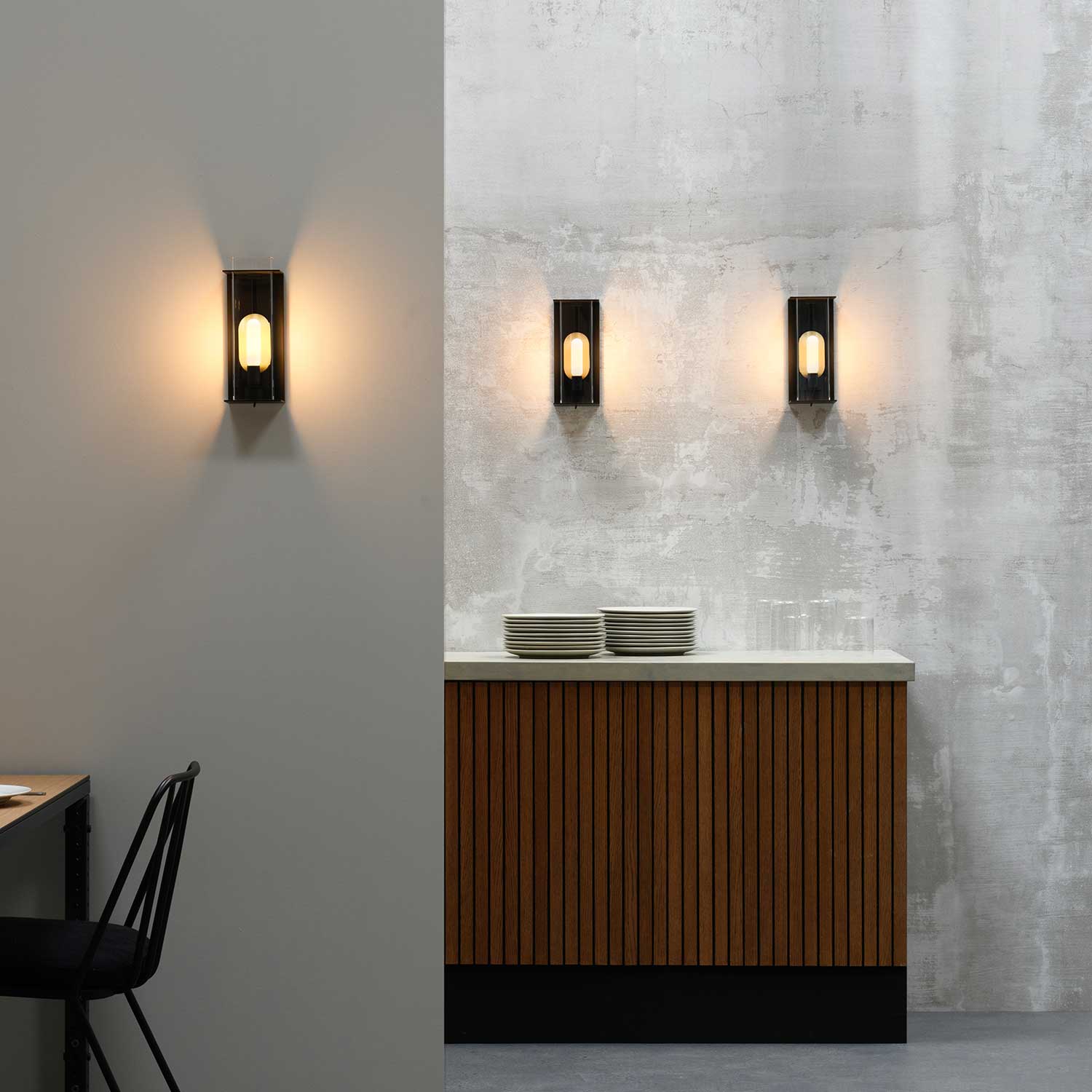
For example, LED outdoor wall lights are ideal for lighting a facade or terrace because they diffuse soft, well-distributed light.
To mark a pathway or structure a garden, outdoor bollards provide functional and aesthetic lighting.
Finally, outdoor LED spotlights are particularly effective for lighting a specific area or highlighting an architectural feature.
How to easily fix your lighting
Improving outdoor lighting doesn’t necessarily require a complete overhaul. A few adjustments can be enough:
- Adjust light power according to the areas
- Increase the number of light points
- Properly orient light sources
- Choose a warmer color temperature
- Use fixtures suited to each purpose
By combining these elements, it’s possible to transform ineffective lighting into a system that is practical, aesthetic, and pleasant.

Conclusion
Ineffective outdoor lighting is often the result of several small mistakes: incorrect power, poor distribution, or inappropriate fixture choice. By correcting these points, you can achieve a much more balanced result.
Good outdoor lighting is not about lighting more, but lighting better. By taking the time to think about the light, you can completely transform your outdoor space and make it both functional and welcoming.

Leave a comment
This site is protected by hCaptcha and the hCaptcha Privacy Policy and Terms of Service apply.