
Spa Lighting: Relaxing Atmosphere, Wet Areas, and IP Rating
Spa lighting plays a crucial role in the client experience. It is not just about making spaces visible: it supports relaxation, creates a sense of calm, reinforces the professional image of the place, and naturally guides movement. In a spa, lighting that is too strong can break the atmosphere, while lighting that is too dim can make the space less reassuring or less comfortable.
Successful spa lighting must find the right balance between ambiance, safety, visual comfort, and technical constraints. Reception, changing rooms, treatment rooms, corridors, wet areas, pool, jacuzzi, or relaxation space: each zone requires lighting adapted to its use.
In this article, we explain how to create a relaxing light atmosphere in a spa while maintaining a professional, reliable approach consistent with the constraints of wet areas.
Summary
- Why is lighting essential in a spa?
- Create a relaxing atmosphere without darkening the space
- Lighting the spa reception: first impression and professional image
- Lighting treatment rooms: comfort, precision, and privacy
- Lighting for wet areas: steam room, sauna, jacuzzi, and pool
- Which IP rating should you choose for spa lighting?
- Which color temperature should you choose in a spa?
- Use indirect lighting to soften the atmosphere
- Avoiding glare in relaxation areas
- Choosing lighting fixtures suitable for humidity and maintenance
- Common mistakes in spa lighting
- Choosing your professional lighting fixtures with La Lumiere

Why is lighting essential in a spa?
In a spa, light directly contributes to the perception of the place. From the entrance, the client should feel a calm, controlled, and professional atmosphere. Lighting influences the first impression, the feeling of comfort, the readability of spaces, and the perceived quality of the establishment.
A spa is not a space to be lit like a typical store, office, or standard bathroom. The light must accompany a slower, more soothing, more sensory rhythm. It should invite slowing down without giving an impression of excessive gloom.
A good spa light fixture must therefore be chosen according to several criteria: the desired ambiance, the installation area, exposure to humidity, ease of maintenance, quality of diffusion, and level of visual comfort. Design matters, but it should never be separated from the actual use of the space.
Lighting should also guide the client through their journey. From the reception to the treatment room, passing through changing rooms, corridors, and wet areas, each space must remain clear and reassuring. Successful lighting may not be immediately noticeable, but it helps make the experience smoother and more pleasant.
Create a relaxing atmosphere without darkening the space

In a spa, a dimmed ambiance is often sought. But dimmed does not mean dark. A space that is too poorly lit can become uncomfortable, especially in traffic areas, changing rooms, or near water passages. The light should be soft but sufficiently present to reassure the client.
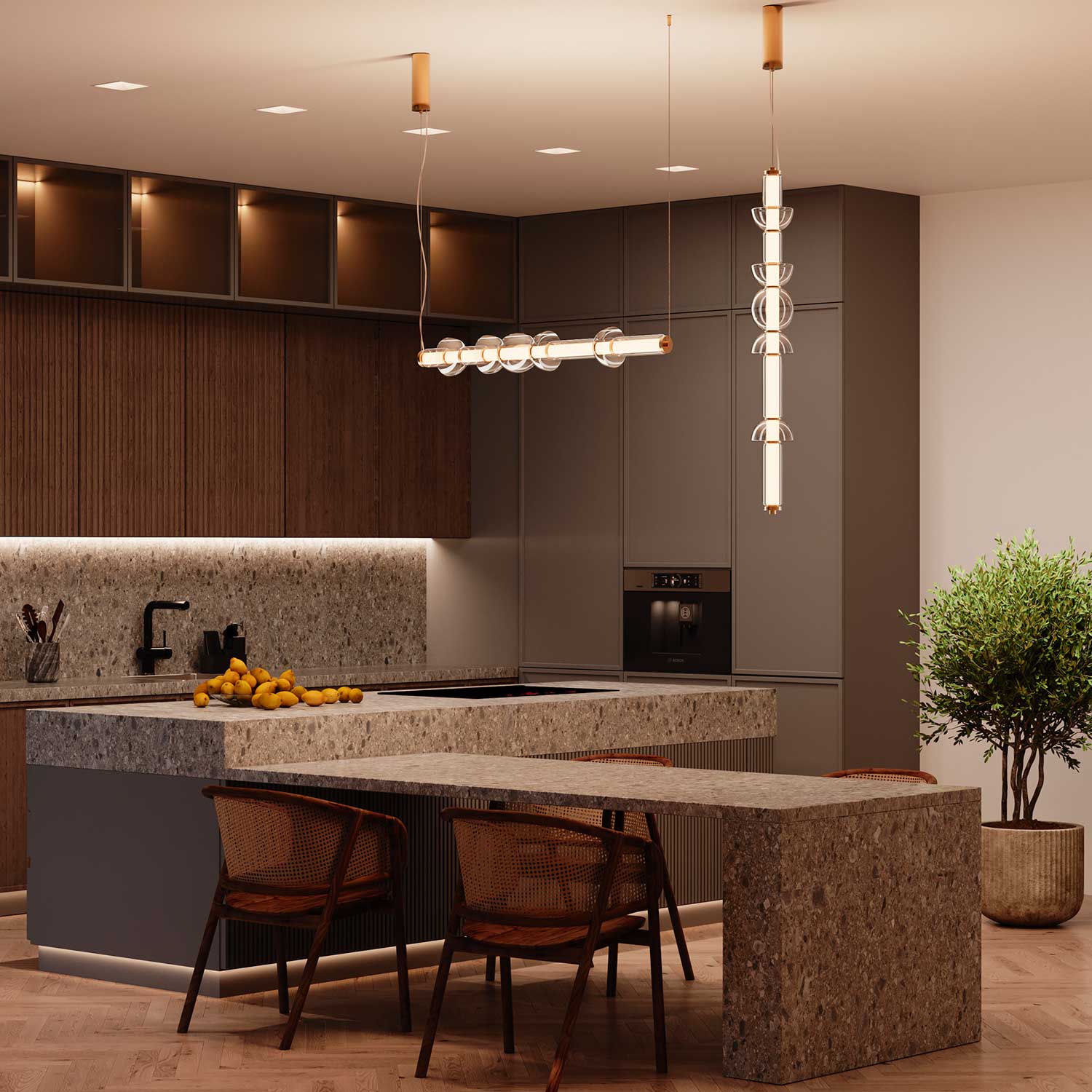
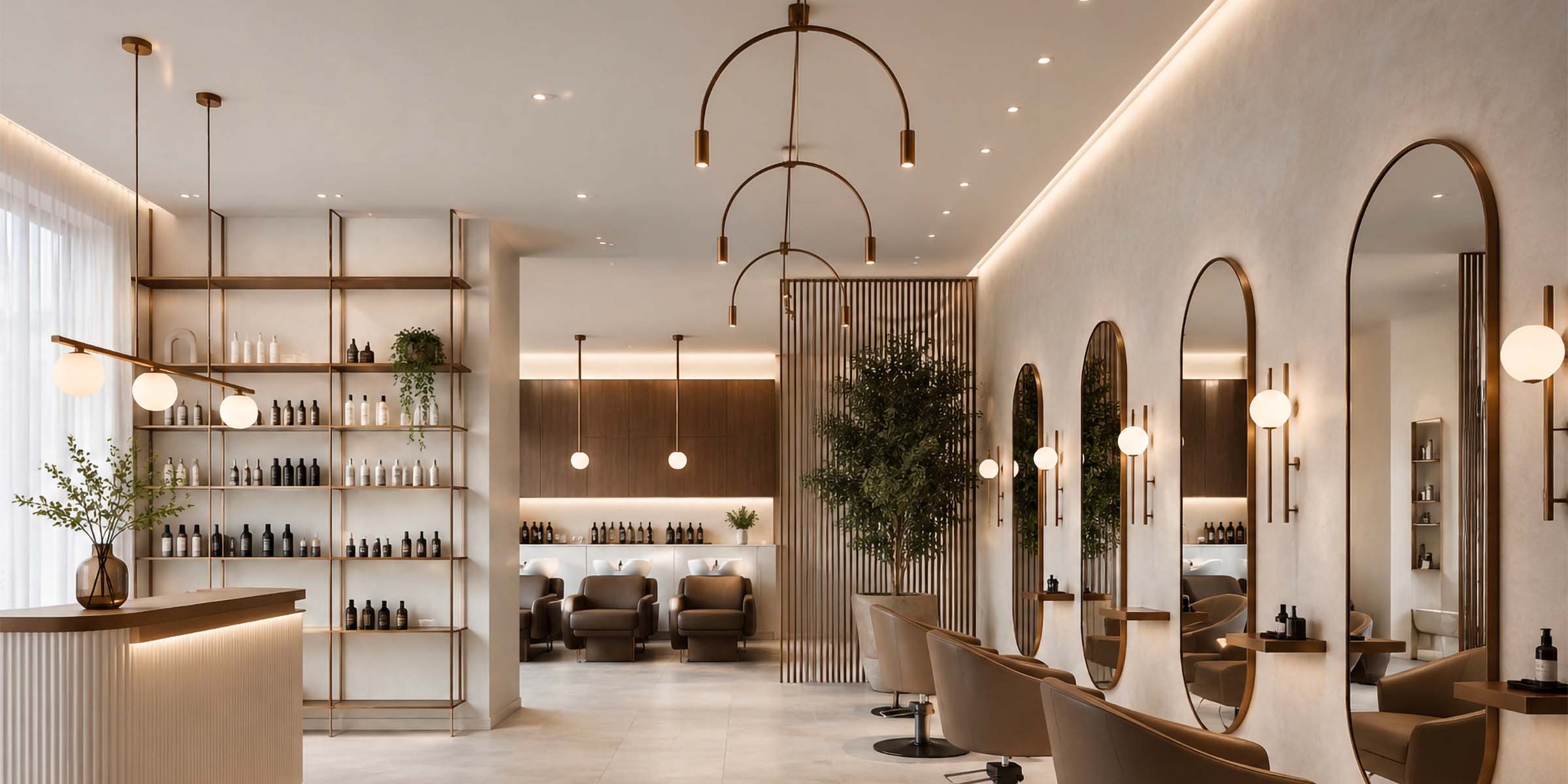
A successful spa lighting ambiance relies on layering sources: discreet general lighting, wall light, indirect lighting, decorative light points, and sometimes more functional lighting in treatment areas. This combination avoids the flat effect of a single ceiling light.
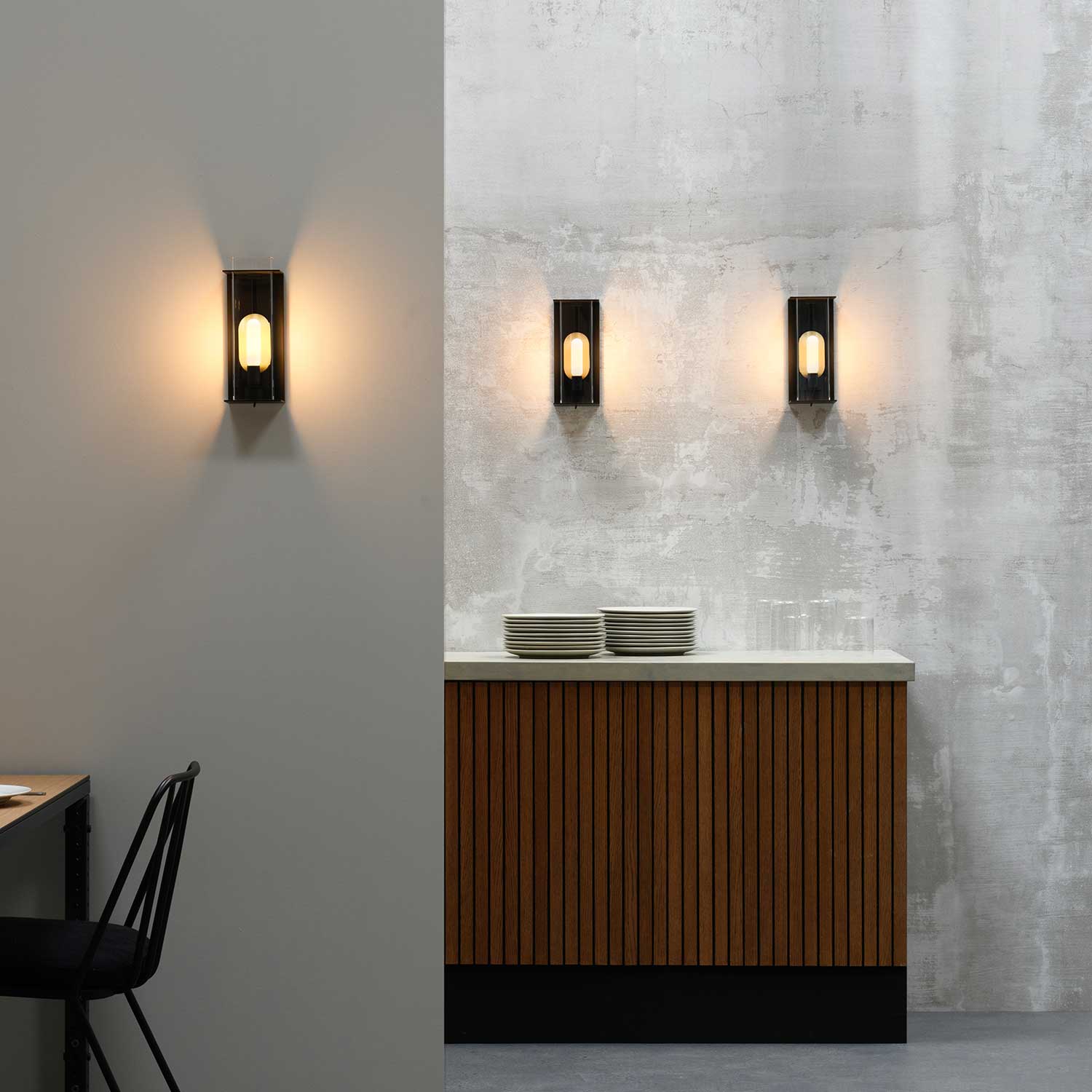
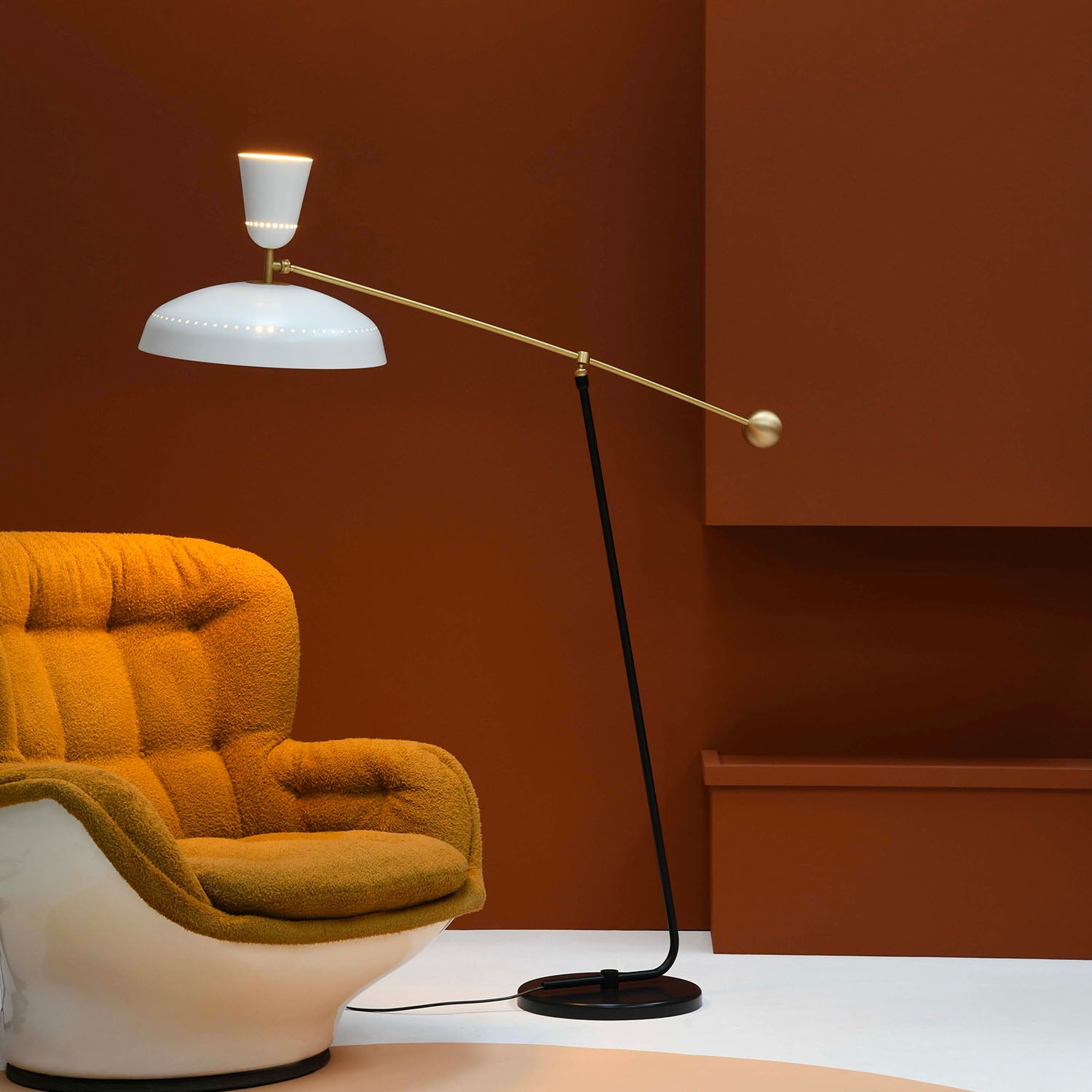
A decorative wall sconce for spa can help create soft wall lighting, ideal for accompanying a corridor, waiting area, or transition space without producing overly direct light.
The goal is to create enveloping light. Walls, natural materials, textiles, wood, stone, or textured plaster can be enhanced by grazing or indirect light. This helps create a warmer atmosphere without multiplying visible fixtures.
Lighting the spa reception: first impression and professional image
The reception is the first area the client discovers. It must convey a sense of calm, care, and professionalism. Lighting that is too cold or too administrative can undermine this feeling, even if the decor is elegant.
In the reception, the light must make the counter readable, properly illuminate faces, and highlight materials. It should facilitate interaction, payment, appointment booking, or product presentation without creating an overly commercial atmosphere.
A wellness area lighting should prioritize softness but also clarity. The reception can combine discreet general lighting with some more decorative points: wall sconces, understated pendants, light integrated behind a counter, or indirect lighting on a textured wall.
A harsh contrast between the reception area and the treatment spaces should be avoided. If the entrance is very bright and the rooms are very dark, the transition can feel abrupt. A gentler light progression naturally guides the client into the spa environment.
Lighting treatment rooms: comfort, precision, and privacy

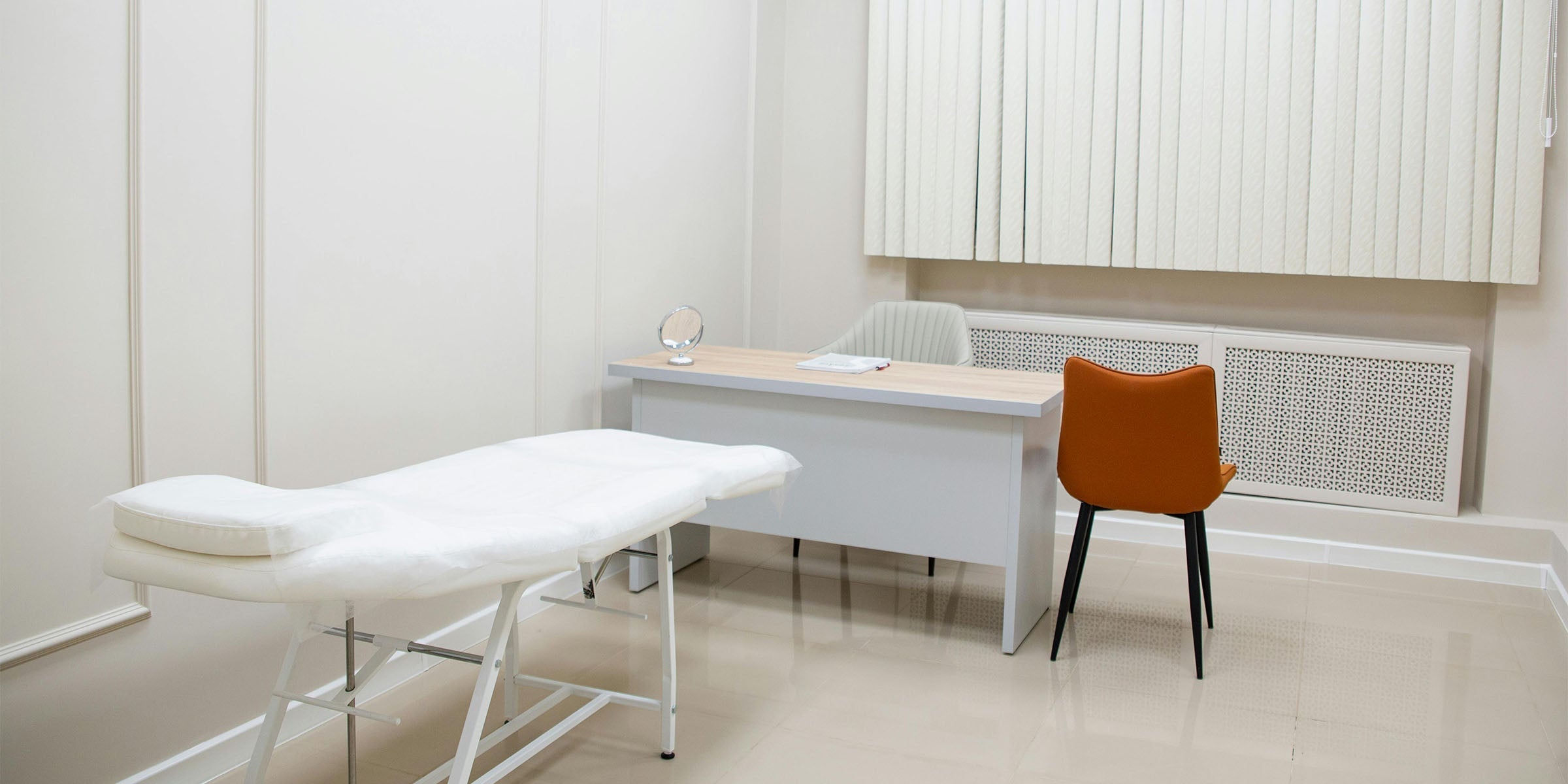
Treatment rooms are at the heart of the experience. The lighting must be particularly well balanced, as it needs to meet two requirements: allowing the practitioner to work properly and offering the client a feeling of privacy and relaxation.
A treatment room lighting should not be too direct. The client is often lying down, sometimes with eyes closed, but they may also look towards the ceiling. An overly powerful ceiling light or a poorly directed spotlight can become uncomfortable. It is therefore better to favor diffuse, indirect, or side lighting.
The cabin can include several lighting levels. Soft light for welcoming the client, more precise light for preparation or storage, and possibly adjustable intensity depending on the type of treatment. A massage cabin, a beauty cabin, and a wet treatment room do not require exactly the same light level.
Privacy must remain central. The light should envelop the room, create a sense of comfort, and avoid any feeling of coldness. Walls, curtains, furniture, and natural materials can be highlighted by warm, indirect light rather than a single, overly technical source.
Lighting for wet areas: steam room, sauna, jacuzzi, and pool
Wet areas require special attention. A spa may include showers, changing rooms, steam rooms, saunas, jacuzzis, pools, or relaxation areas near water. In these spaces, it is necessary to choose luminaires compatible with moisture, splashes, and installation constraints.
Steam room lighting or jacuzzi lighting is not designed like lighting for a waiting room. The luminaires must be adapted to the environment, temperature, steam, or proximity to water. Safety, protection rating, and installation quality must be verified before any installation.
In areas exposed to moisture, such as certain changing rooms, showers, or spaces near a pool, a wall light suitable for wet areas can be appropriate, provided the protection rating and exact installation requirements are checked.
For sauna lighting, the requirements can be different, especially due to the heat. It is essential to choose luminaires designed for this type of environment or to position the light sources in compatible areas. In all cases, the installation should be planned with a professional, as the wet zones of a spa do not tolerate approximation.
Which IP rating should you choose for spa lighting?
In a spa, the IP rating is an essential criterion. It indicates the level of protection a luminaire has against solid objects and water. The closer the luminaire is to a wet area, a shower, a pool, a jacuzzi, or a steam room, the higher its protection rating must be.
A luminaire installed in reception, a rest room, or dry circulation does not have the same constraints as one placed near a pool or in a humid changing room. That is why the IP rating should always be chosen according to the exact location of the luminaire, not just the desired ambiance.
In less exposed areas, such as reception or a dry relaxation room, a standard indoor luminaire may be suitable depending on the setup. In humid areas or near water splashes, luminaires with enhanced protection should be favored, for example IP44, IP54, IP65, or higher depending on the exposure level.
For areas heavily exposed to humidity, such as showers, some changing rooms, immediate surroundings of a jacuzzi, or zones near a pool, an IP65 luminaire is often a reassuring baseline. It better resists water splashes and repeated humidity. For installations directly exposed to water or under special conditions, a higher rating may be necessary.
It is also important to distinguish between humidity, splashes, and immersion. A luminaire suitable for a humid room is not necessarily appropriate for a location exposed to water jets or near a pool. In highly technical areas, installation must be approved by a professional to meet electrical constraints, safety volumes, and specific site requirements.
Which color temperature should you choose in a spa?
Color temperature directly influences the ambiance of a spa. Light that is too cold can feel clinical, technical, or impersonal. Light that is too warm can be very pleasant but must remain sufficiently clear in circulation or treatment areas.
For relaxing light, a warm temperature is often preferred. It promotes a sense of calm, highlights natural materials, and helps create a more enveloping atmosphere. It is especially suitable for treatment rooms, rest areas, soft corridors, and waiting zones.
In some more functional areas, such as changing rooms, reception, or preparation spaces, slightly neutral lighting can be considered. It helps maintain good visibility without breaking the overall spa ambiance.
Avoid mixing too many different color temperatures. A spa should give a sense of coherence. If each area uses different lighting, the experience can become less smooth. Ideally, create a subtle progression, with more functional lighting in useful areas and softer lighting in relaxation spaces.
Use indirect lighting to soften the atmosphere
Indirect lighting is one of the most effective solutions for creating a relaxing ambiance in a spa. Rather than lighting people or floors directly, it diffuses light onto walls, ceilings, niches, or architectural elements.
This approach helps avoid harsh contrasts and creates a more enveloping sensation. In a corridor, indirect light can accompany movement without straining the eyes. In a treatment room, it can enhance privacy. In a rest area, it can create an almost silent atmosphere.
Indirect lighting is also useful for highlighting materials: stone, wood, textured plaster, screens, green walls, or mineral finishes. The light reveals textures without creating excessive brightness.
In a professional spa, it is often better to multiply soft effects rather than very visible sources. Well-integrated lighting appears more high-end, soothing, and consistent with the wellness environment.
Avoiding glare in relaxation areas

Glare is one of the main defects to avoid in a spa. The client may be lying down, sitting low, relaxed in a chair, near a pool, or walking barefoot in a damp area. A source that is too direct can immediately ruin the experience.
Poorly directed spots, overly powerful ceiling lights, or sources visible in the line of sight should be avoided. The light should illuminate surfaces and guide movement without feeling harsh.
In treatment rooms, special attention must be paid to ceiling lights. A client lying down may face the light source. In this case, side, indirect, or well-diffused lighting will be more comfortable.
In relaxation areas, lighting should invite rest. Contrasts should remain soft, reflections limited, and light sources well controlled. The desired feeling is that of a calm, clear, and protected space.
Choosing lighting fixtures suitable for humidity and maintenance
Beyond the IP rating, a spa also imposes maintenance and durability requirements. Humidity, steam, temperature variations, water splashes, cleaning products, and heavy use can weaken poorly suited lighting fixtures.
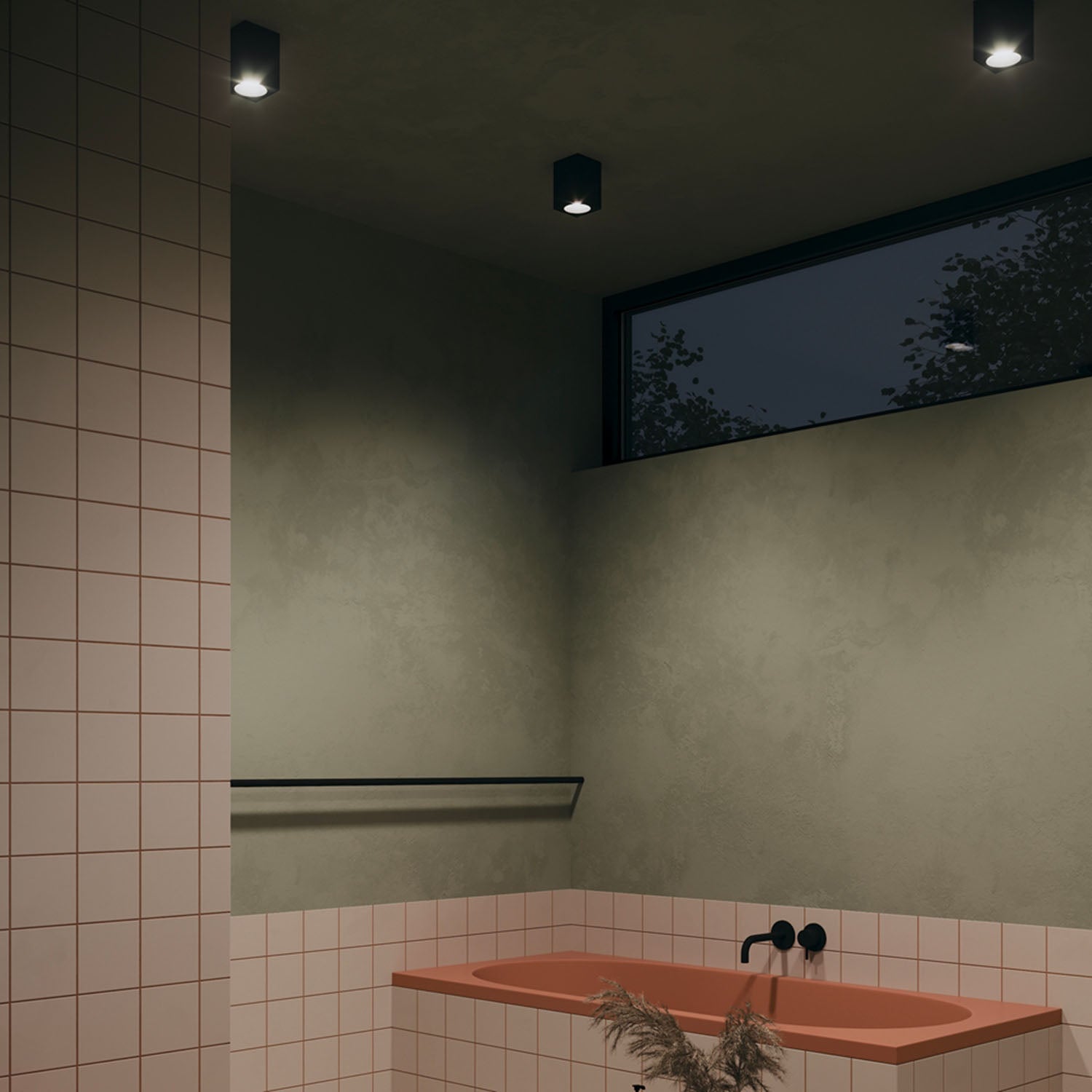
For more technical areas or ceilings exposed to humidity, spots suitable for damp areas can create discreet, functional lighting that integrates better with the spa’s architecture.
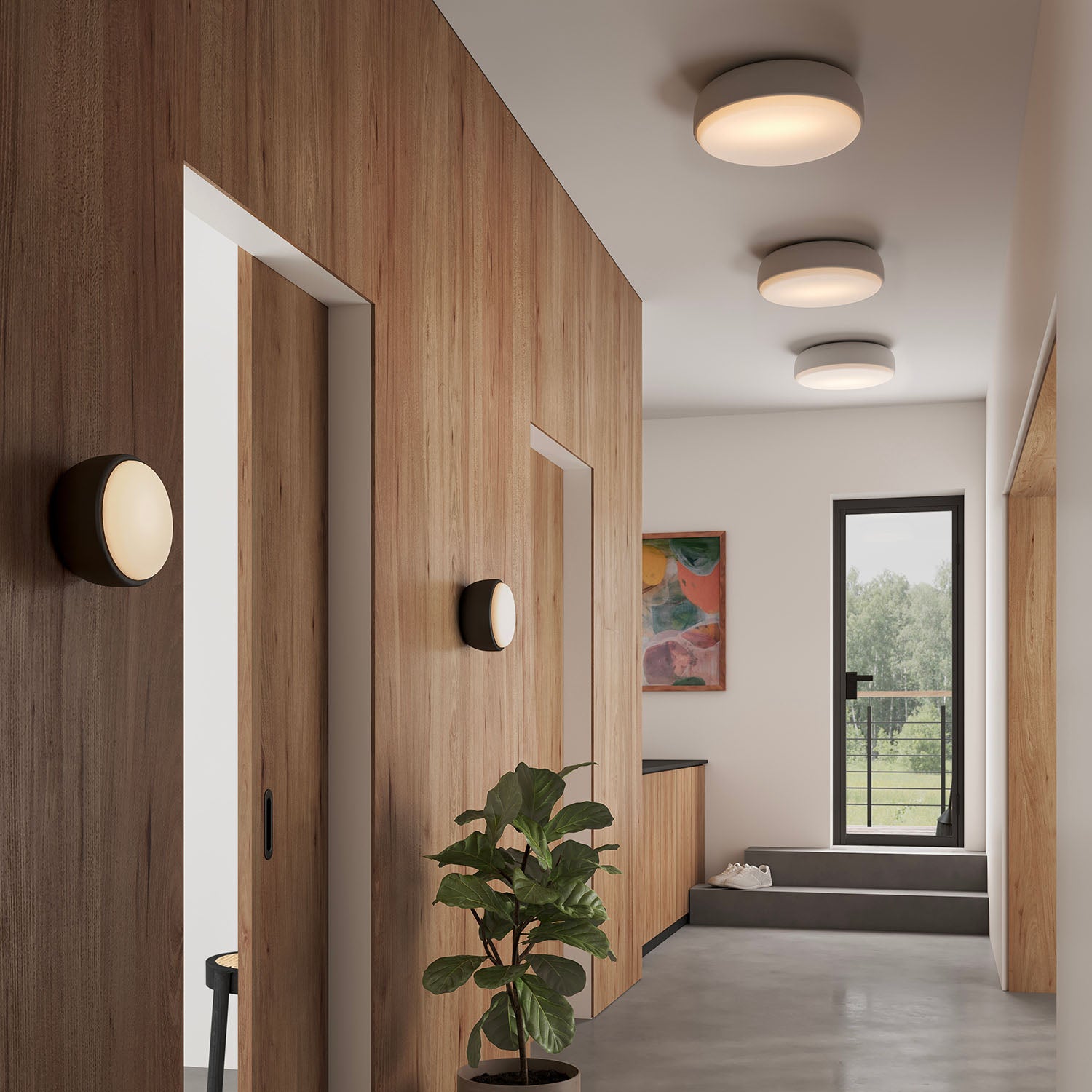
Ceiling lights for wet areas can also be suitable for corridors, changing rooms, or passage zones when reliable, easy-to-maintain general lighting is needed.
Choosing a lighting fixture should not be limited to style. You must check the protection rating, ease of cleaning, material durability, quality of diffusion, and compatibility with professional use. In a spa, a fixture that is hard to maintain or poorly suited to humidity can quickly become a problem.
Common mistakes in spa lighting
The first mistake is creating an atmosphere that is too dark. A spa should be relaxing but still legible. Clients must be able to move around easily, identify doors, steps, changing rooms, wet areas, and rest spaces.
The second mistake is choosing light that is too white. Cold light can give a clinical or impersonal impression, which is not very compatible with the wellness environment. It can be useful in some technical areas but should be used cautiously.
The third mistake is neglecting wet areas. Not all lighting fixtures are suitable for a spa. Showers, steam rooms, pools, jacuzzis, and changing rooms require products compatible with humidity and installation constraints.
The fourth mistake is creating uniform lighting. A spa benefits from being divided into zones: reception, corridor, cabin, pool, relaxation, changing room. Each area should have its own intensity while maintaining overall coherence.
Finally, it is important not to focus solely on ambiance without considering maintenance. A spa is a professional space used daily. The lighting fixtures must be accessible, durable, easy to clean, and suitable for regular use.
Choosing your professional lighting fixtures with La Lumiere
Creating good spa lighting requires finding the right balance between a relaxing atmosphere, technical constraints, and a professional image. The light must soothe, guide, highlight materials, and remain suitable for wet areas.
At La Lumiere, we assist professionals in choosing lighting fixtures suited to their projects: spas, hotels, institutes, wellness areas, relaxation zones, receptions, or corridors. The goal is to select solutions consistent with the desired atmosphere, site constraints, and customer experience.
A successful professional wellness lighting is not just about dim lighting. It must be designed as a journey: to welcome, reassure, guide, relax, and enhance the space without ever compromising visual comfort.

Leave a comment
This site is protected by hCaptcha and the hCaptcha Privacy Policy and Terms of Service apply.