
Medical office lighting: reassuring the patient without creating a cold atmosphere
Lighting in a medical office plays a more important role than one might imagine. Even before the consultation, light contributes to the patient’s first impression: it can inspire trust, convey seriousness, make the space more welcoming, or, on the contrary, create a cold, impersonal, or anxiety-inducing atmosphere.
A medical office lighting must meet two complementary objectives. On one hand, it must be functional enough to allow the practitioner to work under good conditions. On the other hand, it must support the patient journey with reassuring, comfortable light that is consistent with the office’s image.
The challenge is therefore to find the right balance. A medical office should not look like a private living room, but it should also not give the impression of an overly clinical space when it is not necessary. Reception, waiting room, consultation room, corridors, or technical areas: each space requires a different approach.
Summary
- Why is lighting essential in a medical office?
- A reassuring light does not necessarily have to be cold
- Lighting the reception: creating a professional first impression
- Lighting the waiting room: soothe without darkening
- Lighting the consultation room: precision, comfort, and seriousness
- What color temperature should be chosen in a medical office?
- Avoid glare for patients and practitioners
- Choose fixtures that are easy to integrate and maintain
- Special case: dental office, pharmacy, or paramedical space
- Common mistakes in lighting a medical practice
- How to modernize the lighting of an existing office?
- Choosing your professional lighting with La Lumiere

Why is lighting essential in a medical office?
In a medical office, light is not just for seeing. It contributes to the patient’s overall experience. A space that is too dark can lack clarity and give an impression of neglect. Conversely, a light that is too white or too intense can increase discomfort, especially for a patient already stressed by a medical appointment.
Light also influences the perception of hygiene, calm, and professionalism. A well-lit office more easily inspires trust. Volumes are clearer, circulation paths more obvious, faces better lit, and spaces more welcoming.
For the practitioner, lighting is also a work tool. It must allow for consulting, reading, examining, writing, using a screen, or receiving the patient under good conditions. The quality of light must therefore be designed both for the professional’s visual comfort and for the patient’s experience.
A good lighting project in a medical office starts with a simple question: what feeling do we want to convey at each stage of the patient journey? The entrance should reassure, the reception should be clear, the waiting room should soothe, and the consultation room should inspire seriousness and trust.
A reassuring light does not necessarily have to be cold
In the collective imagination, a medical space is often associated with a white, powerful, and very uniform light. This approach may suit certain technical areas, but it is not always appropriate for the entire office. A light that is too cold can give an impression of distance, rigidity, or emotional coldness.
A well-designed medical office lighting must find a balance between clarity and comfort. You need to be able to read a document, move around easily, see faces clearly, and work precisely, without turning the entire space into a hospital environment.
In reception and waiting areas, softer light can help relax the patient. In consultation areas, a more neutral and functional light may be preferable. The office can therefore combine several lighting atmospheres, provided there is visual coherence between the spaces.
The goal is not to light less, but to light better. A reassuring medical office often relies on well-distributed light, with little glare, and a color temperature adapted to each area.
Lighting the reception: creating a professional first impression

The reception is the first point of contact between the patient and the office. It is often where the first impression is formed: does the place seem serious, organized, warm, impersonal, modern, or outdated? Lighting plays a direct role in this perception.
A professional reception lighting must make the counter, signage, and faces clearly visible. The person welcoming the patient should be well lit, without being placed under harsh or overly downward light. Pleasant lighting encourages a more natural and reassuring interaction.
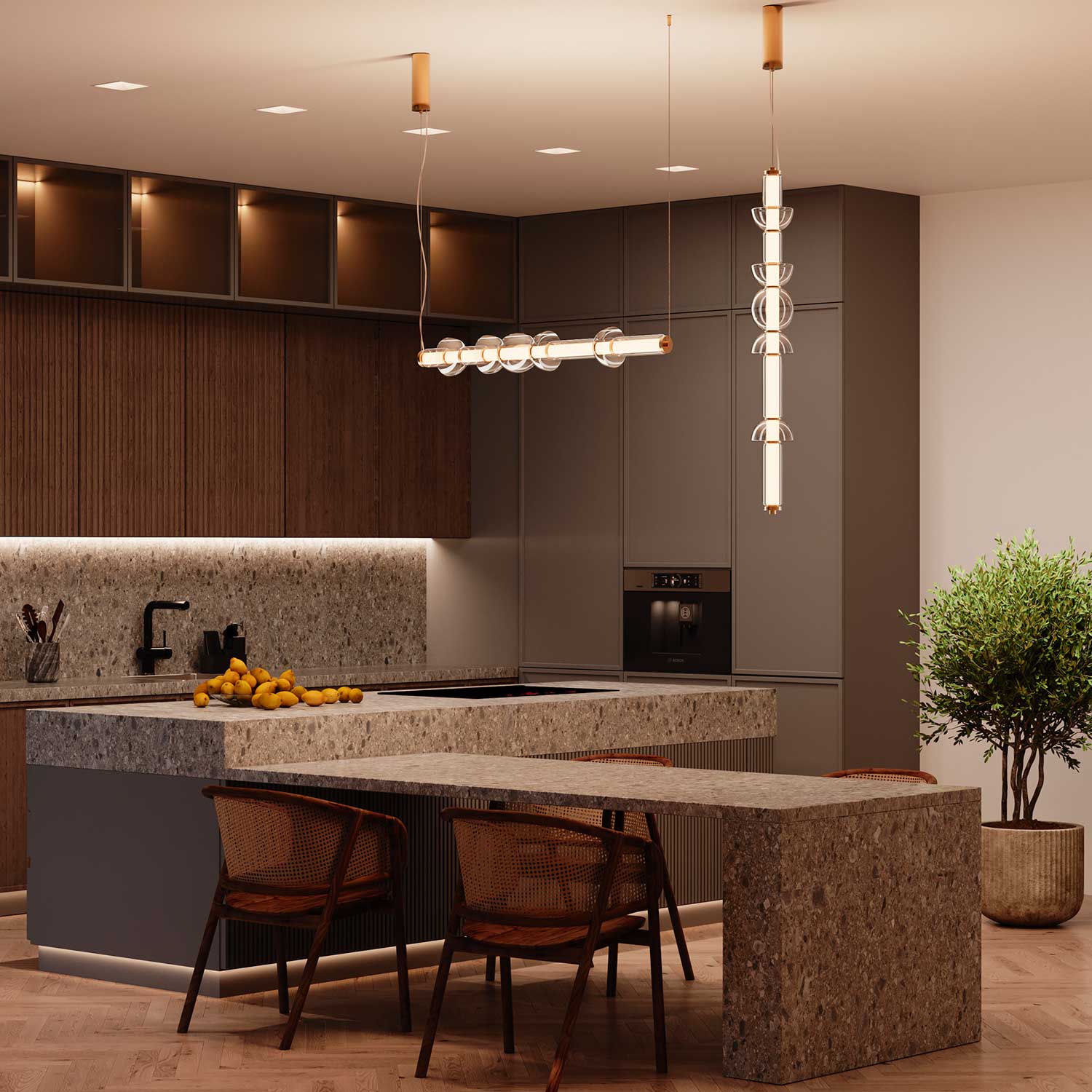
In this area, it is possible to combine understated general lighting with more decorative or indirect light. A discreet pendant light, a wall sconce, or integrated lighting around the counter can create a higher-quality ambiance without compromising functionality.
The reception should not be treated as just an administrative area. It is a transition space between the outside and the consultation. The more balanced the light is there, the more the patient enters the office with a feeling of calm and confidence.
Lighting the waiting room: soothe without darkening
The waiting room is probably the space where the emotional impact of light is the most significant. The patient sometimes spends several minutes there, with waiting that can be a source of stress. The lighting must therefore be comfortable, stable, and soothing.
A waiting room lighting should not be too dim, as this could give an impression of neglect or lack of professionalism. But it should also not be too direct, too white, or too harsh. The goal is to create a calm, clear, and reassuring atmosphere.
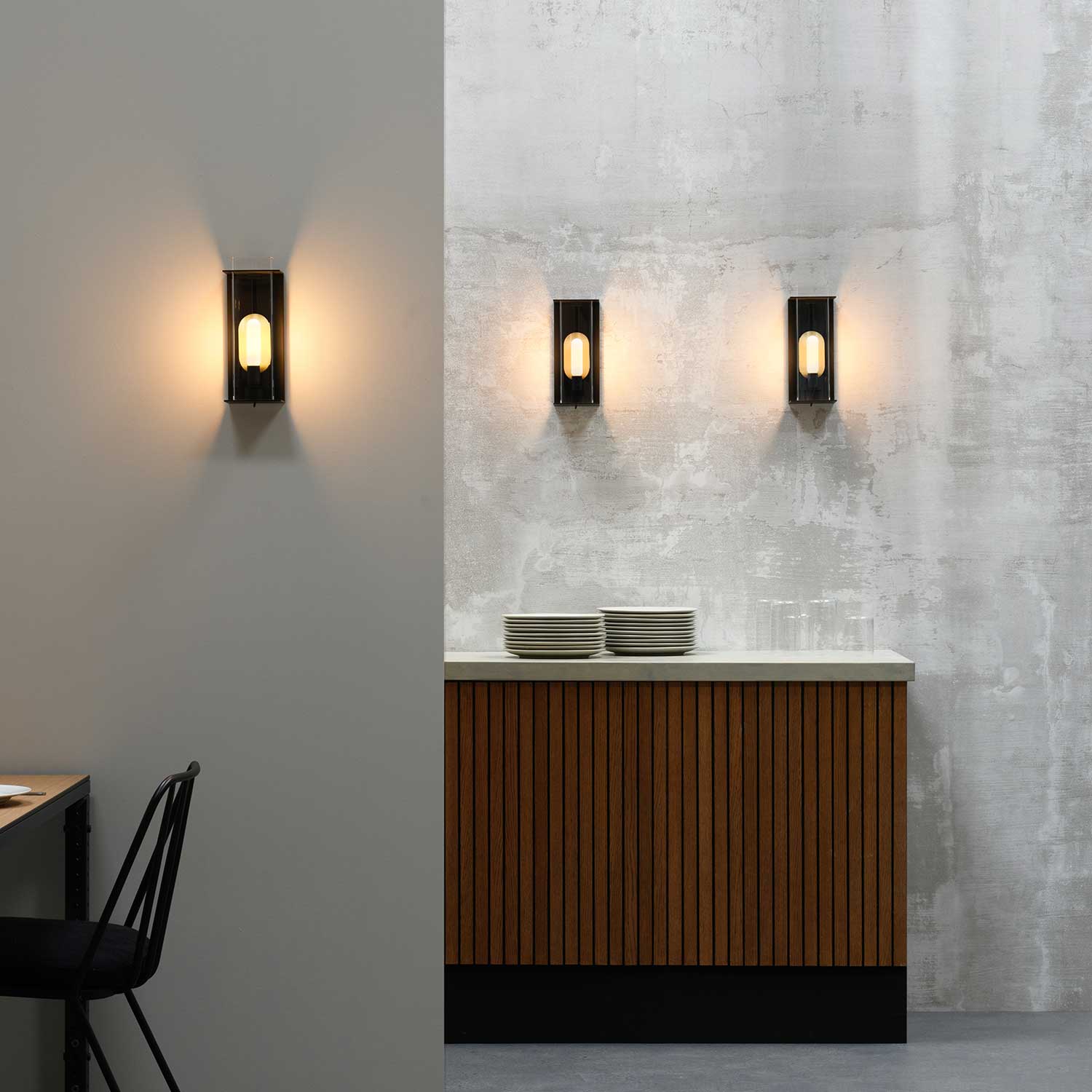
In a waiting room, lighting should not come only from the ceiling. Wall sconces for waiting rooms can soften the atmosphere, accompany movement, and avoid solely downward lighting. They also help create a warmer luminous presence on the walls.
In some offices, especially in psychology, osteopathy, aesthetics, or paramedical professions, table lamps for waiting areas can create a more homely, calmer, and less impersonal atmosphere. However, they must be used consistently: secured cables, stable support, easy maintenance, and appropriate placement.
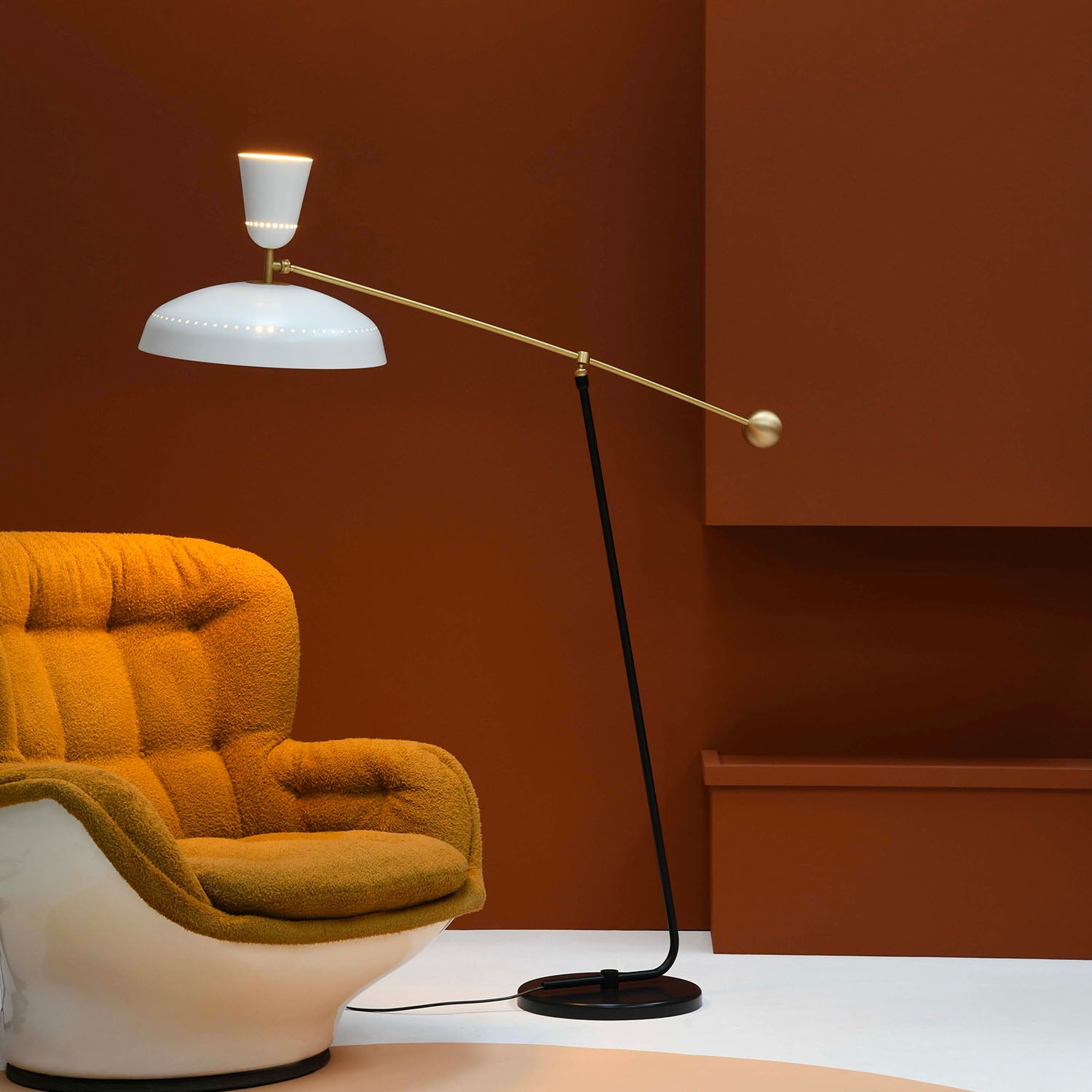
A waiting corner can also be arranged with floor lamps for professional offices, especially when the space is large enough to accommodate additional lighting without obstructing movement. This solution is particularly suitable for offices that want to create a more welcoming atmosphere without losing their seriousness.
Lighting the consultation room: precision, comfort, and seriousness

The consultation room requires a different approach. Here, the light must be more functional. The practitioner must be able to examine, communicate, write, read documents, consult a screen, and sometimes perform precise gestures. The lighting must therefore ensure good visibility without causing discomfort for the patient.
Consultation room lighting generally relies on well-distributed general lighting, supplemented if necessary by more focused lighting depending on the specialty. Large shadow areas should be avoided, especially around the desk, examination table, or traffic areas.
The patient may be sitting, standing, or lying down. This position must be taken into account. An overly intense ceiling light placed directly above an examination table can become uncomfortable. Similarly, a poorly directed spotlight can dazzle the patient or create annoying reflections.
In a consultation room, the lighting should convey a sense of seriousness and control. It can be more neutral than in the waiting room, but it does not necessarily have to be cold. The light should support the medical procedure while maintaining a human and welcoming atmosphere.
What color temperature should be chosen in a medical office?
The medical office color temperature is a key criterion. It directly influences the atmosphere of the space and the perception of areas. Warm light creates a softer atmosphere. Neutral light gives a more functional impression. Cool light can seem very clinical, sometimes too harsh depending on the area.
In a waiting room or reception area, warm or slightly neutral light is often preferable to avoid a too-cold ambiance. It helps create a sense of comfort, especially when the office materials are simple, white, or mineral-based.
In a consultation room, neutral light may be more suitable as it enhances readability and daily work. However, avoid using very cool light throughout the entire office. Too high a temperature can make faces less flattering, harden shapes, and increase an anxious atmosphere.
Consistency is important. If the reception area is very warm and the consultation room very cold, the patient may feel an unpleasant disconnect. Ideally, create a subtle progression: softer in the waiting area, more functional in the consultation room, but always comfortable.
Avoid glare for patients and practitioners
Glare is one of the most common issues in medical offices. It can come from an overly powerful ceiling light, a poorly directed spotlight, a fixture with a too-visible source, or reflections on a screen, mirror, window, or shiny surface.
For the patient, glare can be especially bothersome when lying down or sitting facing a direct light source. In an exam room, the position of fixtures relative to furniture and the line of sight must be carefully considered.
For the practitioner, poorly controlled lighting can also cause eye strain. Glare on screens, strong contrasts between the desk and the rest of the room, or shadowed areas on documents can reduce work comfort.
Good medical lighting should prioritize well-diffused fixtures, logical placement, and sources that illuminate surfaces rather than eyes. In an office, diffusion quality is as important as light intensity.
Choose fixtures that are easy to integrate and maintain
Choosing a medical office light fixture should not be limited to its design. In a professional healthcare space, maintenance, durability, ease of cleaning, light quality, and consistency with the interior layout must also be considered.
Lights that are too complex, very fragile, or difficult to dust are not always suitable. A medical practice requires sober, reliable solutions that are easy to maintain over time. This does not mean the choice must be purely technical: it is entirely possible to select elegant lights, but they must remain compatible with the use of the space.
Wall sconces can be useful to soften a waiting room or hallway. Table lamps may suit some reception areas or paramedical offices. Floor lamps can structure a waiting corner, provided they do not obstruct circulation.
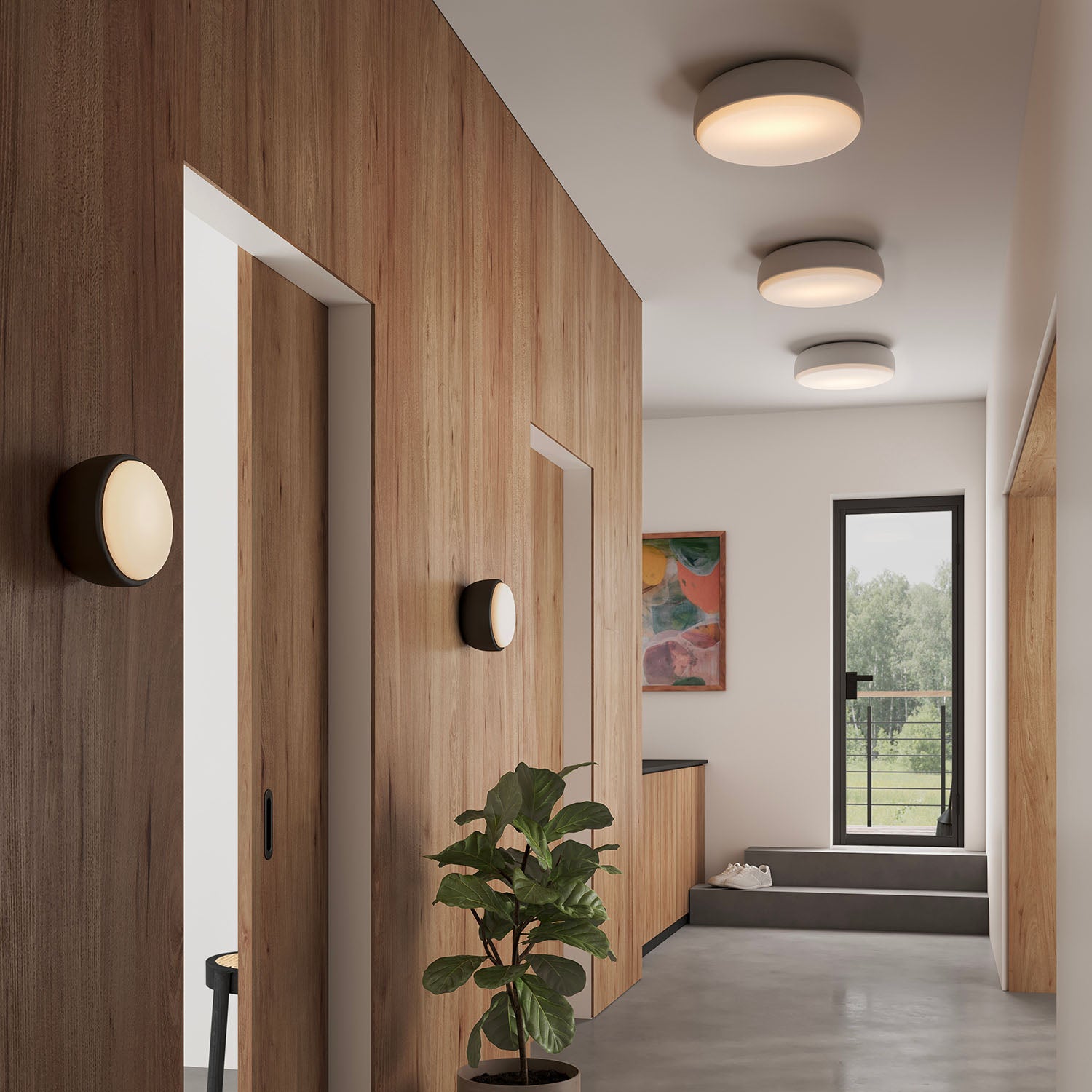
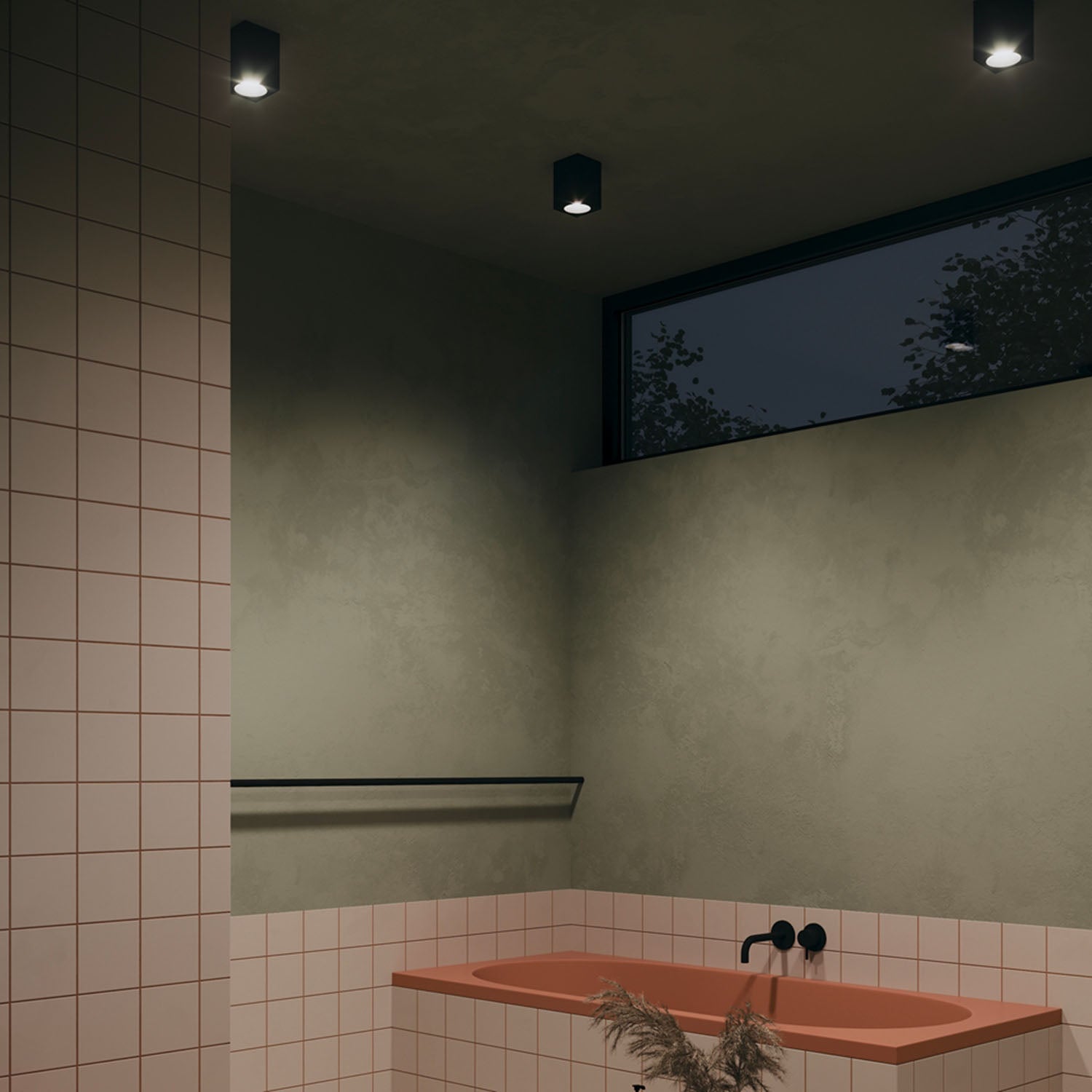
In consultation areas, more functional, well-diffused lights that are easy to integrate into the ceiling or walls are often preferred. The choice depends on the specialty, room size, ceiling height, and type of examination performed.
Special case: dental office, pharmacy, or paramedical space
Professional healthcare lighting varies greatly depending on the profession. A general practitioner, dentist, psychologist, osteopath, dermatologist, physiotherapist, pharmacy, or aesthetic clinic do not have exactly the same needs.
Dental office lighting requires particular attention to precision, reflections, patient positioning, and color perception. The treatment area may need very functional lighting, while the reception and waiting room should remain softer to avoid increasing patient anxiety.
In a pharmacy, lighting must ensure good visibility of the shelves, clear product presentation, and a professional atmosphere. Pharmacy lighting must also respect the colors of packaging, avoid dark areas, and make the customer journey smooth.
In a psychology, osteopathy, or paramedical care practice, the atmosphere can be warmer and less clinical. Decorative lights, accent lamps, or wall sconces can help create a more soothing environment while maintaining good visibility of the space.
Common mistakes in lighting a medical practice
The first mistake is using lighting that is too white everywhere. This approach may seem reassuring in terms of cleanliness, but it can make the practice feel cold, harsh, and unwelcoming. Not all areas need the same level of technical lighting.
The second mistake is creating lighting that is too uniform. A practice fully lit in the same way lacks nuance. The waiting room, reception, consultation, and hallways should be consistent but not identical.
The third mistake is neglecting glare. In a medical office, the patient may be lying down, sitting facing a light source, or placed under a direct ceiling light. This situation must be anticipated from the selection and placement of fixtures.
The fourth mistake is choosing fixtures solely for their appearance. A fixture can be very beautiful but poorly suited for maintenance, too fragile, too decorative, or insufficiently functional for a professional space.
Finally, a common mistake is to forget the patient’s path. Lighting should not be designed room by room in isolation. It must accompany the entire office, from entrance to exit, with a coherent light progression.
How to modernize the lighting of an existing office?

Modernizing the lighting of a medical office doesn’t necessarily mean a complete overhaul. In some cases, simply replacing overly cold sources, adjusting certain intensities, adding wall lighting in a waiting room, or correcting glare zones is enough.
The first step is to observe usage. Where do patients wait? Where does the practitioner work the most? Which areas feel cold, dark, or uncomfortable? Which fixtures are on all day? Where do reflections appear?
Next, it’s important to distinguish priority areas. The reception and waiting room strongly influence the perception of the office. The consultation room affects work comfort. Circulation areas contribute to the overall readability of the space.
An existing office can often gain comfort with a few targeted adjustments: a more suitable color temperature, softer light on the walls, better diffusion on the ceiling, an additional fixture in a waiting corner, or a more precise source in the consultation area.
Choosing your professional lighting with La Lumiere
Lighting in a medical office must be carefully designed, as it affects the image of the place, patient comfort, and the practitioner’s working conditions. Successful lighting should reassure without chilling the atmosphere, illuminate without glare, and remain consistent with each area of the office.
At La Lumiere, we support professionals in selecting lighting fixtures tailored to their spaces: reception, waiting room, consultation, circulation areas, or more technical zones. The goal is to find the right balance between functionality, visual comfort, and a professional atmosphere.
Are you setting up or renovating a medical office? Based on your plans, photos, or existing constraints, our team can help you choose lighting fixtures suited to each area of the project.

Leave a comment
This site is protected by hCaptcha and the hCaptcha Privacy Policy and Terms of Service apply.